



Tag Archives: bruxism

Grinding Away? Everything You Need to Know About Bruxism

Have you ever woken up with a sore jaw or noticed that your teeth feel unusually sensitive?

If you have ever woken up with a sore jaw or noticed that your teeth feel unusually sensitive … you’re not alone. Many people grind or clench their teeth, often without even realizing it. At GPS Dental, we’ve seen how bruxism can significantly impact your oral health—and overall well‑being. This blog dives into what causes bruxism, how it affects your teeth, and most importantly, what GPS Dental can do to help.

What Is Bruxism?

Bruxism refers to involuntary teeth grinding or jaw clenching. It can happen:

  • During sleep (nocturnal bruxism): Often associated with stress or medical conditions.
  • During the day (awake bruxism): Typically tied to tension, concentration, or habits like chewing pens.

Both forms can damage your teeth and jaw over time, making early detection and treatment essential.

Who Is at Risk?

Bruxism isn’t limited to any one age group. Common risk factors include:

  • Stress and anxiety: When your brain is under pressure, your jaw might tighten unconsciously.
  • Sleep disorders: Conditions like sleep apnea (which we addressed in a recent blog) can increase episodic grinding.
  • Medications: Certain antidepressants or stimulants may increase muscle tension.
  • Misaligned bite or missing teeth: These can cause an imbalanced jaw position.
  • Habitual behaviors: Nail biting, gum chewing, or even leaning on a hand can set off clenching.
  • Lifestyle choices: Caffeine, alcohol, and smoking can exacerbate grinding habits.

Even kids can grind their teeth, especially during growth spurts or times of stress.

Why Bruxism Matters

It might seem harmless—after all, how bad can grinding be? The reality is that chronic bruxism can lead to:

  1. Worn tooth enamel
    You might be grinding your teeth down faster than they repair themselves—leading to sensitivity or uneven bite.
  2. Cracked or chipped teeth
    Excessive pressure can fracture weakened enamel or old fillings.
  3. TMJ (temporomandibular joint) disorders
    Symptoms include jaw pain, limited opening, clicking or popping sounds, headaches, and earaches.
  4. Chronic headaches and neck pain
    The muscles involved in grinding can cause tension headaches and muscle stiffness.
  5. Tooth mobility or loss
    In extreme cases, grinding can damage the bone that secures teeth in place.
  6. Sleep disturbances
    Both yours and your partner’s! Grinding makes noise and disrupts restful sleep.

Signs You Might Be Grinding

Watch for these common clues:

  • Persistent jaw fatigue or soreness
  • Morning headaches or migraines
  • Tooth sensitivity or wearing
  • Loose or broken teeth/restorations
  • Tinnitus or ear pain
  • Grinding noise noted by partner

At GPS Dental, we check for wear patterns, muscle tenderness, and jaw alignment during your exam. Early detection helps us prevent further damage.

Diagnosis: What Happens at Your Dental Visit

When you come in, we’ll:

  1. Ask about your symptoms: Jaw pain, morning headaches, grinding noises?
  2. Inspect your teeth: Look for wear surfaces, chips, or cracks.
  3. Examine your jaw: Check for tenderness, range of motion, and joint noises.
  4. Review your occlusion: Do your upper and lower teeth fit together properly?
  5. Use X-rays or scans: Look for changes in your bone or around teeth.

This thorough assessment helps us tailor a treatment plan that aligns with your specific needs.

Treatment Options at GPS Dental

We offer a range of treatments aimed at reducing grinding, protecting teeth, and alleviating associated symptoms—all personalized for your comfort and lifestyle:

🛡️ 1. Custom Nightguards

These are made from impressions of your teeth for a perfect fit. Wearing a nightguard:

  • Cushions the forces of grinding
  • Prevents wear to enamel and restorations
  • Reduces muscle strain and jaw pain

Unlike over‑the‑counter options, our custom guards are more comfortable, effective, and long‑lasting.

🧘 2. Stress Management Strategies

Because stress is a major trigger, we often recommend:

  • Relaxation techniques (deep breathing, meditation)
  • Targeted stretches for the jaw muscles
  • Daily exercises to increase awareness and reduce tension

Small lifestyle adjustments—like limiting caffeine and taking mindfulness breaks—can make a big difference.

🦷 3. Bite Realignment (Occlusal Adjustment)

If misaligned teeth or bite contribute to clenching, we may need to gently reshape certain cusps or adjust edges. This helps your bite sit more comfortably and reduces pressure on the jaw.

🧪 4. Dental Work or Orthodontics

Sometimes, cracked teeth or worn down enamel require crowns, onlays, or new restorations. In other cases, orthodontic treatment (like SureSmile aligners) can correct alignment issues and reduce grinding.

Daily Habits to Fight Bruxism

Home care is a vital part of your treatment. Here’s what you can do daily:

  • Check your jaw, relax it by keeping lips together and teeth apart
  • Do jaw stretches outlined by our team
  • Avoid chewing “extras” like pen caps or gum
  • Cut back on caffeine and alcohol—especially after dinner
  • Establish better sleep routines to reduce nighttime muscle tension
  • Stay hydrated to maintain muscle function

Following these suggestions supports your treatment and helps prevent future episodes.

Long-Term Benefits of Treating Bruxism

Investing in treatment now means:

  • Stronger, healthier teeth
  • Easier jaw movement
  • Fewer dental emergencies
  • Improved sleep quality
  • Relief from ongoing headaches or muscle pain
  • Better overall well‑being

We often hear, “I can’t believe how much better I feel!”—and that’s why it’s worth taking action early.

Why Choose GPS Dental?

At GPS Dental, we take a comprehensive, patient‑centered approach:

✔️ Fully trained in TMJ and muscle disorders
✔️ Custom-fit nightguards made on-site
✔️ Integrated treatment plans (stress, alignment, restoration)
✔️ Coordinated care, including dental and medical referrals if necessary
✔️ Comfortable, stress‑free environment to discuss sensitive issues

We don’t just mask symptoms—we help you tackle them at the source.

Taking the First Step: What to Do Next

If any signs above resonate with you—jaw pain, headaches, broken teeth, tooth sensitivity, grinding sounds—don’t wait.

  1. Schedule an evaluation at GPS Dental
  2. Discuss your symptoms openly so we can tailor a plan
  3. Commit to your treatment (nightguard, adjustments, exercises)
  4. Maintain follow-up so we can check progress and make adjustments as needed

Restoring your comfort and preserving your smile is our goal.

Final Thoughts

Bruxism might seem harmless at first, but untreated, it can seriously impact your dental health and quality of life. The good news? With professional care and consistent self‑care, you can protect your teeth, relieve tension, and wake up feeling refreshed—not sore.

At GPS Dental, we’re here to support you every step of the way. From diagnosis to ongoing care, we want to see you smile and sleep well!

📞 Call us today at 210-633-3477 to schedule your bruxism evaluation—and take the first step toward a healthier, happier mouth.

Dr. Gary P. Skrobanek is a dental implant dentist and his experienced, friendly team at GPS Dental offer affordable family dentistry and gentle dental care in the San Antonio, TX area. Our Brooks City Base dentist office is conveniently located and offers early morning appointment times Monday through Friday to meet your needs. At GPS Dental, we provide most dental services, from family and general dentistry to dental implantssleep apneaTMJ / TMD Treatmentcosmetic dentistry and much more. We accept most dental insurance plans and offer affordable financial solutions for any budget. Call us at (210) 633-3477 to make an appointment. 

The Connection Between Sleep Apnea and Your Oral Health

Sleep is essential for your physical and mental health—but did you know it’s also critical for your oral health? One of the most overlooked conditions with both general and dental health implications is sleep apnea. As your trusted partner in oral wellness, GPS Dental wants to help you understand how this sleep disorder can affect your teeth, gums, and overall quality of life.

What is Sleep Apnea?

Sleep apnea is a disorder in which breathing repeatedly stops and starts during sleep. The most common type is obstructive sleep apnea (OSA), which occurs when the muscles at the back of your throat relax excessively, narrowing or closing off your airway.

People with OSA often snore loudly and may feel tired even after a full night’s rest. However, beyond fatigue and sleep disruptions, sleep apnea can cause a cascade of other health issues—including ones that start right in your mouth.

How Dentists Help Identify Sleep Apnea

You may not think of your dentist as a key player in diagnosing sleep disorders—but you should. During routine exams, dentists can spot signs and symptoms that point to sleep apnea.

These include:

  • Teeth grinding (bruxism): Often a reflex to restricted breathing.
  • Flattened or worn teeth: A classic indicator of nighttime clenching.
  • Dry mouth or sore throat: Caused by frequent mouth breathing at night.
  • Red or irritated throat and palate: A result of snoring or gasping for air.
  • Enlarged tongue or tonsils: Which may block airflow during sleep.
  • Jaw pain or tightness: Often related to jaw tension and grinding.

Because we see patients every 6 months—or more if there are ongoing issues—dentists are often the first health professionals to raise red flags.

Oral Health Complications Linked to Sleep Apnea

Sleep apnea can lead to a variety of oral health problems, some of which might surprise you.

Here’s how:

1. Bruxism (Teeth Grinding)

Bruxism is one of the most common oral health conditions associated with sleep apnea. People grind their teeth unconsciously as a response to airway obstruction. This grinding can lead to:

  • Tooth sensitivity
  • Worn enamel
  • Chipped or cracked teeth
  • TMJ (temporomandibular joint) disorders
  • Chronic jaw pain

Over time, this can severely damage the teeth and increase the need for crowns, veneers, or even dental implants.

2. Dry Mouth and Increased Cavity Risk

Many individuals with sleep apnea breathe through their mouths at night. This leads to dry mouth, which reduces saliva—the natural protector of your teeth and gums. A lack of saliva increases the risk of:

  • Tooth decay
  • Gum disease
  • Bad breath
  • Oral infections

Dry mouth also makes it uncomfortable to wear dental appliances like dentures or retainers.

3. Gum Disease (Periodontitis)

Studies have shown a strong link between sleep apnea and gum disease. Inflammation from disrupted sleep patterns can exacerbate gum problems. Sleep apnea also alters immune function, making it harder for your body to fight off the bacteria that cause gum disease.

Symptoms of gum disease include:

  • Red, swollen, or bleeding gums
  • Receding gum lines
  • Loose teeth
  • Persistent bad breath

How Sleep Apnea Affects Overall Health

Left untreated, sleep apnea doesn’t just impact your mouth—it can have serious consequences for your entire body:

  • Heart disease
  • High blood pressure
  • Type 2 diabetes
  • Stroke
  • Depression and anxiety
  • Weight gain
  • Fatigue-related accidents

This is why early detection—especially at your dental visits—is so important.

How GPS Dental Can Help

At GPS Dental, we understand that your oral health is connected to your entire well-being. Unlike most general dentists, Dr. Skrobanek is trained and qualified to diagnose and treat sleep apnea directly—no outside referral needed.

If we suspect signs of sleep apnea during your exam, we’ll talk with you about your symptoms, sleeping habits, and any concerns you may have. Then, Dr. Skrobanek will guide you through the next steps:

1. Comprehensive Sleep Apnea Evaluation

Dr. Skrobanek can perform an in-depth screening and evaluation to determine if sleep apnea may be affecting your health and your smile. If needed, he can coordinate or recommend a home sleep study and provide direct treatment options.

2. Oral Appliance Therapy

For many mild to moderate cases of sleep apnea, a custom oral appliance (similar to a nightguard or mouthguard) can be incredibly effective. This device gently repositions the jaw to keep your airway open during sleep.

Benefits of oral appliances include:

  • Easy to wear and clean
  • Quiet (no machine or noise like CPAP)
  • Portable for travel
  • Non-invasive

Patients often find this treatment more comfortable and convenient than a CPAP machine.

3. Nightguards for Bruxism

If grinding is your main concern, we may recommend a custom-fit nightguard to protect your teeth from damage while you sleep.

4. Gum Disease Treatment and Preventive Care

We’ll also focus on managing any gum inflammation, treating dry mouth, and helping you build healthier habits to prevent tooth decay and oral discomfort.

Lifestyle Tips to Improve Sleep and Oral Health

Improving sleep apnea and your oral health often starts with small changes. Here are some dentist-approved tips:

  • Maintain a healthy weight – Extra tissue in the throat can worsen sleep apnea.
  • Sleep on your side – This helps keep your airway open.
  • Limit alcohol and sedatives – These relax your throat muscles.
  • Stay hydrated – Reduces dry mouth symptoms.
  • Practice good oral hygiene – Brush twice a day, floss daily, and use a fluoride rinse.
  • Avoid caffeine and large meals before bed – These can disrupt sleep.

Don’t Sleep on Your Dental Visits!

Remember: dental visits aren’t just about teeth. They’re a window into your overall health.

If you’ve been struggling with fatigue, headaches, jaw pain, or are waking up with a dry mouth or sore throat, it’s worth bringing up at your next dental checkup. At GPS Dental, we take your health seriously and are trained to look for the subtle signs that could indicate a larger issue—like sleep apnea.

Let us help protect more than just your smile—we’re here for your total wellness.

Book Your Appointment Today

Your journey to better health and better sleep starts with a visit to GPS Dental. Whether you’re due for a checkup or want to learn more about oral appliance therapy for sleep apnea, Dr. Skrobanek and our experienced team are ready to help.

📞 Call us today at 210-633-3477 — let’s keep your smile healthy and your sleep restful.

Dr. Gary P. Skrobanek is a dental implant dentist and his experienced, friendly team at GPS Dental offer affordable family dentistry and gentle dental care in the San Antonio, TX area. Our Brooks City Base dentist office is conveniently located and offers early morning appointment times Monday through Friday to meet your needs. At GPS Dental, we provide most dental services, from family and general dentistry to dental implantssleep apneaTMJ / TMD Treatmentcosmetic dentistry and much more. We accept most dental insurance plans and offer affordable financial solutions for any budget. Call us at (210) 633-3477 to make an appointment. 

Understanding Jaw Pain: Common Causes and Effective Solutions

Jaw pain is a widespread condition that can significantly impact an individual’s quality of life. From difficulty eating to persistent discomfort while speaking or yawning, jaw pain often disrupts daily routines. This discomfort can stem from a variety of underlying causes, ranging from minor issues to more serious conditions. Let’s explore the common causes of jaw pain, associated symptoms, and the treatment options available to alleviate the discomfort.

What Is Jaw Pain?

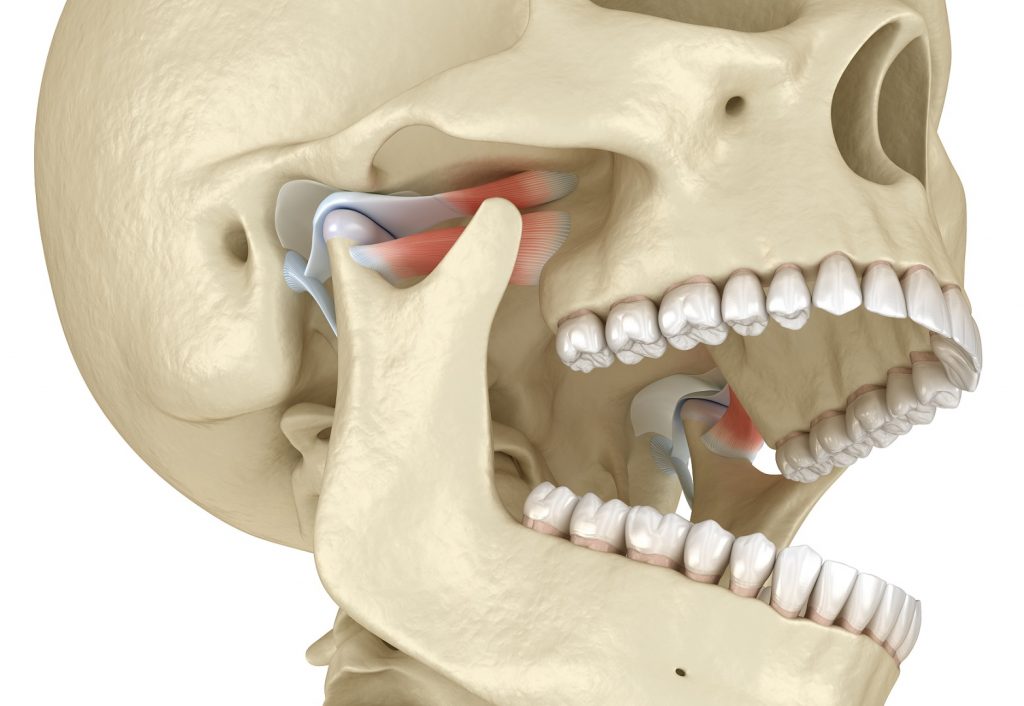
Jaw pain refers to discomfort or soreness in the jawbone, the temporomandibular joint (TMJ), or the surrounding muscles and tissues. The temporomandibular joint acts as a hinge connecting your jaw to your skull, enabling movements such as chewing, speaking, and yawning. When this joint, or any of the surrounding structures, becomes irritated or damaged, it can result in jaw pain.

Jaw pain can range from mild to severe and may present as acute (lasting for a short period) or chronic (persistent over weeks or months). Identifying the root cause is essential for effective treatment.

Common Causes of Jaw Pain

  1. Temporomandibular Joint Disorder (TMD)
    TMD is one of the leading causes of jaw pain. This condition occurs when the TMJ and its surrounding muscles don’t function correctly, leading to pain, stiffness, and clicking sounds. Common triggers for TMD include:
    • Bruxism (teeth grinding or clenching), often associated with stress.
    • Arthritis in the TMJ, which can lead to inflammation.
    • Trauma to the jaw or misalignment of the teeth.
    Symptoms of TMD may include difficulty opening and closing the mouth, headaches, earaches, and facial pain.
  2. Dental Issues
    Problems with teeth and gums can cause significant jaw pain. Examples include:
    • Cavities and abscessed teeth, where infection spreads to the roots or surrounding tissues.
    • Malocclusion, or an improper bite, which can strain the jaw muscles.
    • Gum disease, which can cause inflammation and affect the jawbone over time.
    Pain from dental problems often radiates to the jaw, making it essential to maintain regular oral health check-ups.
  3. Injuries or Trauma
    Jaw pain may also result from direct injury or trauma, such as:
    • Fractures or dislocations of the jawbone.
    • Soft tissue injuries from accidents or sports activities.
    • Whiplash, which can strain or misalign the TMJ.
    These injuries often require immediate medical intervention to prevent long-term complications.
  4. Bruxism (Teeth Grinding)
    Bruxism is a condition where individuals grind or clench their teeth, usually during sleep. Over time, this can place immense pressure on the jaw muscles and TMJ, causing pain and inflammation. Stress and anxiety are common triggers for bruxism.
  5. Arthritis
    Various forms of arthritis, such as osteoarthritis and rheumatoid arthritis, can affect the TMJ. Arthritis leads to joint inflammation and cartilage deterioration, causing stiffness, pain, and reduced mobility in the jaw.
  6. Sinus Infections
    Sinusitis, or a sinus infection, can sometimes lead to jaw pain, especially in the upper jaw. This occurs because the sinuses are located near the jawbone, and inflammation in the sinuses can create referred pain in the jaw.
  7. Nerve-Related Disorders
    Certain nerve-related conditions, such as trigeminal neuralgia, can result in sharp, shooting pain in the jaw and face. This condition involves irritation or damage to the trigeminal nerve, which is responsible for facial sensation.
  8. Stress and Muscle Tension
    Chronic stress can lead to muscle tension in the jaw, neck, and shoulders. This tension may cause pain and discomfort in the jaw, even in the absence of underlying joint or dental problems.
  9. Infections or Tumors
    In rare cases, infections such as osteomyelitis (a bone infection) or tumors in the jaw or nearby tissues can cause pain. These conditions are typically accompanied by additional symptoms, such as swelling, fever, or weight loss, and require prompt medical attention.
  10. Poor Posture
    Believe it or not, poor posture—especially when working long hours at a desk—can contribute to jaw pain. Slouching or holding your head in an awkward position can strain the muscles and joints in the neck and jaw, leading to discomfort.

Symptoms Associated with Jaw Pain

Jaw pain often doesn’t occur in isolation and may be accompanied by other symptoms, including:

  • Clicking, popping, or grinding sounds when opening or closing the mouth.
  • Difficulty chewing or speaking.
  • Swelling in the jaw or face.
  • Limited range of motion in the jaw.
  • Ear pain or a feeling of fullness in the ears.
  • Headaches or migraines.
  • Pain that radiates to the neck or shoulders.

Understanding these symptoms is key to diagnosing the underlying issue and developing an appropriate treatment plan.

When to See Your Dentist

While occasional jaw pain may not be a cause for concern, you should seek medical attention if:

  • The pain is persistent or worsening.
  • You experience difficulty opening or closing your mouth.
  • The pain is accompanied by swelling, fever, or redness.
  • You notice a clicking or popping sound in the jaw that’s painful.
  • The discomfort interferes with eating, speaking, or sleeping.

A healthcare professional, such as a dentist, oral surgeon, or primary care doctor, can help identify the root cause and recommend the right treatment.


Diagnosing Jaw Pain

Diagnosing jaw pain often involves a thorough medical history, physical examination, and imaging tests. These may include:

  • X-rays to examine the jawbone and teeth.
  • MRI or CT scans to assess the TMJ and surrounding soft tissues.
  • Blood tests to identify infections or systemic conditions like arthritis.

A detailed evaluation helps pinpoint the exact cause, enabling targeted treatment.

Treatment Options for Jaw Pain

The treatment for jaw pain depends on its underlying cause. Common approaches include:

1. Lifestyle Changes

  • Avoid hard or chewy foods that strain the jaw.
  • Practice stress management techniques, such as yoga or meditation, to reduce bruxism.
  • Maintain proper posture to minimize muscle tension.

2. Dental Care

  • Addressing cavities, gum disease, or other dental issues can alleviate jaw pain.
  • Orthodontic treatments, such as braces, can correct malocclusion.

3. Medications

  • Over-the-counter pain relievers, such as ibuprofen, can reduce inflammation.
  • Muscle relaxants may be prescribed for severe jaw tension.
  • Antibiotics are necessary for infections like abscesses or osteomyelitis.

4. Physical Therapy

  • Jaw exercises can improve mobility and strengthen the surrounding muscles.
  • Heat or cold therapy may provide temporary relief from pain.

5. Mouthguards and Splints

  • Custom-made mouthguards can protect against teeth grinding and alleviate stress on the TMJ.
  • Splints are often used to reposition the jaw and improve alignment.

6. Surgical Interventions

  • In severe cases, surgery may be required to repair or replace a damaged TMJ.
  • Dental surgeries, such as extractions, may address impacted teeth causing jaw pain.

Preventing Jaw Pain

Prevention is always better than cure. Here are some tips to reduce the risk of jaw pain:

  • Practice good oral hygiene and visit the dentist regularly.
  • Avoid clenching your teeth, especially during stressful situations.
  • Incorporate jaw stretches and exercises into your routine to maintain flexibility.
  • Stay mindful of your posture, particularly when working at a desk.

Dr. Skrobanek Can Help Alleviate Your Jaw Pain

Jaw pain can be a frustrating and debilitating condition, but understanding its causes and seeking appropriate treatment can lead to significant relief. Whether it’s due to TMD, dental issues, or muscle tension, addressing jaw pain early is crucial for preventing long-term complications. If you’re experiencing jaw discomfort, don’t hesitate to schedule your consultation with Dr. Skrobanek at GPS Dental to uncover the root cause and find a solution that works for you. With the right care, you can reclaim a pain-free, healthy smile.

Dr. Gary P. Skrobanek’s experienced and friendly team at GPS Dental offers affordable dental care for all ages in San Antonio, TX area. Our Brooks City Base dentist office is conveniently located and offers early morning appointment times Monday through Friday to meet your needs. At GPS Dental, we promote dental health awareness to our patients and provide most dental services, from family and general dentistry to dental implantssleep apneaTMJ / TMD Treatmentcosmetic dentistry and much more. We accept most dental insurance plans and offer affordable financial solutions for any budget. Call us at 210-633-3477 to make an appointment.

Common Jaw Conditions: Are You Experiencing Jaw Pain?

Talking, eating, and drinking are all important to your well-being; not to mention, they’re simple activities that we take for granted. If you’re experiencing jaw pain, caused by jaw conditions, these everyday activities can be very painful and uncomfortable. Let’s discuss …

Proper Jaw Function is Important – Common Jaw Conditions

As we know, the health and proper functioning of your jaw are essential for everyday activities such as talking, eating, and drinking. Jaw pain and discomfort, often associated with various jaw conditions, can significantly impact your quality of life. Here are some common jaw conditions and how they can affect daily activities:

  1. Temporomandibular Joint Disorder (TMD): TMD is a condition that affects the temporomandibular joint (TMJ), which connects your jaw to your skull. It can cause jaw pain, headaches, and difficulty in opening and closing your mouth. Everyday activities like chewing and speaking can become painful and challenging for individuals with TMD.
  2. Bruxism: Bruxism is the habit of grinding or clenching your teeth, often during sleep. It can lead to jaw pain, headaches, and even tooth damage. Individuals with bruxism may experience discomfort during eating and talking due to the strain on their jaw muscles.
  3. Malocclusion: Malocclusion refers to misaligned teeth or an improper bite. When your teeth don’t align correctly, it can lead to jaw pain and difficulty in biting and chewing food properly. Malocclusion can also affect speech.
  4. Jaw Fractures: Jaw fractures can occur due to trauma or accidents. In such cases, speaking, eating, and drinking can be extremely painful or nearly impossible until the fracture is treated and heals.
  5. Jaw Arthritis: Arthritis affecting the jaw joint can cause pain and stiffness, making it challenging to perform daily activities that involve jaw movement.
  6. Infections: Infections in the jaw, such as dental abscesses or salivary gland infections, can lead to swelling, pain, and difficulty in opening the mouth. This can affect eating and speaking.
  7. Jaw Tumors or Cysts: Growths or abnormalities in the jawbone can cause pain and swelling, impacting the ability to perform everyday tasks comfortably.

If you’re experiencing jaw pain or discomfort that interferes with your daily activities, it’s essential to seek prompt evaluation and treatment from a healthcare professional. Depending on the underlying cause of your jaw condition, treatment options may include medication, physical therapy, orthodontic treatment, oral surgery, or other specialized interventions.

Managing jaw pain and addressing the root cause of your jaw condition can help improve your quality of life and make talking, eating, and drinking more comfortable and enjoyable activities once again.

We’re here to help you get to the bottom of what could be wrong and help you move forward onto treatment to correct your problem and get you out of pain.

Just the Facts about Jaw Conditions

Among the many possible causes of jaw conditions are infection, cancer, injury, inflammation, and genetic and birth defects. But, did you know:

  • Jaw conditions can occur in any age group or population.
  • Temporomandibular Joint Disorder (TMJ) is a common jaw condition in the United States.
    • Between 5 – 12% of people in the United States have TMJ
    • TMJ is more common in younger people, particularly women
  • In children, a common jaw condition is a birth defect known as cleft palate.
  • Malocclusion (misalignment) of the teeth is a common cause of jaw problems in children and adults.
  • Common causes of jaw problems in middle-aged adults:
    • Impacted wisdom teeth
    • Periodontal disease
    • Jaw clenching
  • Poorly fitting dentures are a common cause of jaw problems in older adults and seniors.
  • Signs and symptoms of jaw conditions vary depending on the specific type of jaw disease, disorder, or condition. Common symptoms include jaw pain and difficulty chewing.
  • Myofascial Pain Syndrome is often caused by tension, spasm, or fatigue of the muscles that allow a person to chew, called the masticatory muscles.
  • Seek immediate medical care (call 911) for serious symptoms that include:
    • severe injury to the face
    • bleeding
    • inability to open or close the mouth
    • difficulty breathing or swallowing

Causes of Jaw Conditions

Jaw conditions develop from a number of causes. Most commonly, people have jaw pain as a result of:

  • Jaw infection
  • Benign or malignant tumors
  • Trauma to include head injury, dislocation or fractures
  • Inflammation
  • TMJ Disorder
  • Bruxism (teeth grinding)
  • Medication side effects
  • Dental abscess
  • Periodontal disease
  • Poorly fitting dentures or dental appliances
  • Genetic diseases and disorders
  • Birth defects
  • Arthritis

What are the Symptoms of Jaw Conditions?

Jaw conditions cause dysfunction and pain in the jaw and face region that may result in a number of symptoms. The symptoms can vary in intensity among individuals, based on the type of condition they are suffering from.

TMJ Symptoms and Causes

The temporomandibular joints, called TMJ, are the jaw muscles and joints that make it possible to open and close your mouth. Many patients refer to it as “TMJ”. Located on each side of your head, the TMJ or jaw muscles work together when you speak, chew or swallow and include ligaments, muscles and the jaw bone. They also control the lower jaw (mandible) as it moves backward, forward, and side to side.

Although not life threatening, if TMJ disorder is left untreated, it can contribute to significant discomfort and tension. Chronic pain can even lead to the development of diseases like anxiety and depression.

Related Article: Are You Experiencing Jaw Pain? You could have TMJ!

Symptoms of TMJ Disorder include:

  • Jaw pain or tenderness
  • Chewing difficulty or discomfort
  • Difficulty opening and closing mouth (locking of the joint)
  • Earache (aching pain around and in your ear)
  • Ringing in the ears
  • Aching Facial pain
  • Headaches
  • Locking of the joint, making it difficult to open or close your mouth
  • Grating or clicking sounds in the jaw joints
  • Uneven bite
  • Misaligned teeth

TMJ disorders can also cause a grating sensation or clicking sound when you chew or open your mouth. If you are not experiencing jaw pain or limited movement with your jaw clicking, you probably don’t need treatment for a TMJ disorder. However, if left untreated, the TMJ symptoms increase in number and severity as you get older.

Possible causes of TMJ disorders include:

  • Arthritis
  • Dislocation
  • Injury
  • Tooth and jaw alignment
  • Stress and teeth grinding

What should I do if I suspect TMJ Syndrome?

Bite problems associated with the alignment of the jaws, muscles and teeth cause the majority of TMJ disorders. By adjusting your bite (the way your teeth come together), many times we can properly align the teeth, muscles and jaws to be in the most comfortable positions. This alignment correction will often reduce or eliminate your TMJ symptoms.

Consultation of your TMJ issues by Dr. Skrobanek is an important first step in determining the best course of treatment.

Bruxism Symptoms & Causes

Bruxism is a condition where you grind, gnash, or clench your teeth. Not only does this mean you may clench your teeth while you’re awake, but it also means you grind your teeth at night. When you grind at night, it’s also known as sleep bruxism. If you do this, you’re also prone to other sleep disorders, such as sleep apnea or snoring.

Symptoms related to bruxism (tooth grinding and jaw clenching) include:

  • Chewed tissue on the inside of the cheek
  • Chronic facial pain
  • Earache
  • Enlarged jaw muscles
  • Headache
  • Increased tooth sensitivity
  • Indentations on the tongue
  • Jaw pain or tightness in jaw muscles
  • Pain while chewing
  • Teeth grinding or clenching
  • Damaged teeth that are worn down, flattened, fractured or chipped
  • Worn tooth enamel that exposes deeper layers of the tooth

Possible causes of Bruxism include:

  • Anxiety
  • Stress
  • Anger
  • Tension
  • Frustration
  • Coping strategy or habit during deep concentration

What should I do if I suspect Bruxism?

If you know you are grinding your teeth, or if you suspect teeth clenching and grinding may be to blame for pain or other symptoms, see a dentist. They can examine your teeth for wear to determine if you grind them. They can also look at your bite and alignment.

Teeth grinding is a common condition and treating it early is important to avoid significant dental complications. Your dentist is a good resource for diagnosing and treating bruxism.

Dr. Skrobanek can help prevent cracked and fractured teeth by designing a mouthguard or oral appliance to wear at night to keep you from clenching and grinding your teeth. As we know, there is a link between dental health and mental health and thankfully, mouthguards are a wonderful way to protect your teeth at night. They can also help with sleep apnea and snoring. Each mouthguard will be custom-made by Dr. Skrobanek to fit your mouth comfortably and will keep your teeth separated so they don’t grind together.

There’s more good news: Custom mouthguards or oral appliance therapy is covered by many insurance plans and the team at GPS Dental can help answer any questions you may have about your coverage.

Related Articles:

Other Symptoms

There are a number of other causes of jaw conditions. Symptoms will vary depending on the underlying cause and you may or may not be experiencing jaw pain. Examples of symptoms include:

  • Bleeding
  • Deformity of the jaw or face
  • Lump in the jawbone or surrounding tissues
  • Redness, warmth or swelling
  • Stiffness or spasms

Symptoms Indicating a Serious Condition

In some cases, a jaw condition can be a serious condition that should be immediately evaluated in an emergency setting. Seek immediate medical care (call 911) if you, or someone you are with, have any of these serious symptoms:

  • Difficulty breathing
  • Difficulty swallowing
  • Painful chewing
  • Locked jaw (unable to open or close)
  • Numbness or tingling sensation
  • Severe bleeding
  • Stiffness, spasm

Related Article: What is a Dental Emergency and Why Dental Emergency Care is Important

Diagnosis is an important step before treatment. Consult with Dr. Skrobanek, the dentist who treats TMJ disorders and Bruxism in the San Antonio area, to determine what type of jaw condition is causing you to suffer. If you are experiencing jaw pain, part of your dental examination will include checking the muscles and joints for clicking, popping, tenderness or difficulty moving.

It’s also important to stay up to date on your cleanings and routine visits to your dentist. In the meantime, having a strong and steady oral health routine – brushing twice a day and flossing once – is the best thing you can do for your oral health! If you are experiencing jaw pain, don’t hesitate to call us immediately.

Dr. Gary P. Skrobanek and his experienced, friendly team at GPS Dental offer affordable family dentistry and gentle dental care in the San Antonio, TX area. Our Brooks City Base dentist office is conveniently located and offers early morning appointment times Monday through Friday to meet your needs. At GPS Dental, we provide most dental services, from family and general dentistry to dental implantssleep apneaTMJ / TMD Treatmentcosmetic dentistry and much more. We accept most dental insurance plans and offer affordable financial solutions for any budget. Call us at (210) 633-3477 to make an appointment.
Jaw Conditions: TMJ Syndrome, Clenching and Grinding

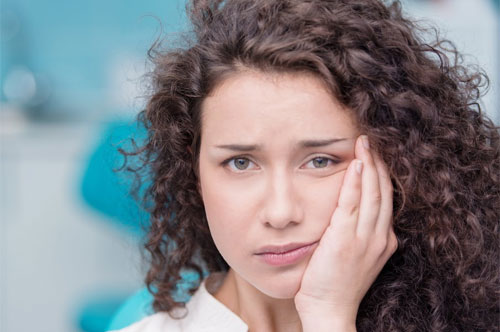
Talking, eating, and drinking are all important to your well-being; not to mention, they’re simple activities that we take for granted. If you’re experiencing jaw pain, caused by jaw conditions, these everyday activities can be very painful and uncomfortable. We’re here to help you get to the bottom of what could be wrong and help you move forward onto treatment to correct your problem and get you out of pain.

What are jaw conditions?

Jaw conditions include any disorder or disease that affects the jaw.

Here are some facts:

Among the many possible causes of jaw conditions are infection, cancer, injury, inflammation, and genetic and birth defects.

  • Jaw conditions can occur in any age group or population.
  • Temporomandibular Joint Disorder (TMJ) is a common jaw condition in the United States.
    • Between 5 – 12% of people in the United States have TMJ
    • TMJ is more common in younger people, particularly women
  • In children, a common jaw condition is a birth defect known as cleft palate.
  • Malocclusion (misalignment) of the teeth is a common cause of jaw problems in children and adults.
  • Common causes of jaw problems in middle-aged adults:
    • Impacted wisdom teeth
    • Periodontal disease
    • Jaw clenching
  • Poorly fitting dentures are a common cause of jaw problems in older adults and seniors.
  • Signs and symptoms of jaw conditions vary depending on the specific type of jaw disease, disorder, or condition. Common symptoms include jaw pain and difficulty chewing.
  • Myofascial Pain Syndrome is often caused by tension, spasm, or fatigue of the muscles that allow a person to chew, called the masticatory muscles.
  • Seek immediate medical care (call 911) for serious symptoms that include:
    • severe injury to the face
    • bleeding
    • inability to open or close the mouth
    • difficulty breathing or swallowing

Causes of Jaw Conditions

Jaw conditions develop from a number of causes. Most commonly, people have jaw pain as a result of:

  • Jaw infection
  • Benign or malignant tumors
  • Trauma to include head injury, dislocation or fractures
  • Inflammation
  • TMJ Disorder
  • Bruxism (teeth grinding)
  • Medication side effects
  • Dental abscess
  • Periodontal disease
  • Poorly fitting dentures or dental appliances
  • Genetic diseases and disorders
  • Birth defects
  • Arthritis

Jaw Conditions Include:

  • jaw fracture
  • TMJ disorder
  • misaligned teeth
  • dislocated jaw
  • jaw fracture
  • jaw clenching
  • bruxism (teeth grinding)
  • wisdom tooth impaction
  • periodontal disease 
  • tooth abscess
  • jawbone cancer
  • cleft palate

What are the Symptoms of Jaw Conditions?

Jaw conditions cause dysfunction and pain in the jaw and face region that may result in a number of symptoms. The symptoms can vary in intensity among individuals, based on the type of condition they are suffering from.

TMJ Symptoms and Causes

The temporomandibular joints, called TMJ, are the jaw muscles and joints that make it possible to open and close your mouth. Many patients refer to it as “TMJ”. Located on each side of your head, the TMJ or jaw muscles work together when you speak, chew or swallow and include ligaments, muscles and the jaw bone. They also control the lower jaw (mandible) as it moves backward, forward, and side to side.

Although not life threatening, if TMJ disorder is left untreated, it can contribute to significant discomfort and tension. Chronic pain can even lead to the development of diseases like anxiety and depression.

Related Article: Are You Experiencing Jaw Pain? You could have TMJ!

Symptoms of TMJ Disorder include:

  • Jaw pain or tenderness
  • Chewing difficulty or discomfort
  • Difficulty opening and closing mouth (locking of the joint)
  • Earache (aching pain around and in your ear)
  • Ringing in the ears
  • Aching Facial pain
  • Headaches
  • Locking of the joint, making it difficult to open or close your mouth
  • Grating or clicking sounds in the jaw joints
  • Uneven bite
  • Misaligned teeth

TMJ disorders can also cause a grating sensation or clicking sound when you chew or open your mouth. If you are not experiencing pain or limited movement with your jaw clicking, you probably don’t need treatment for a TMJ disorder. However, if left untreated, the TMJ symptoms increase in number and severity as you get older.

Possible causes of TMJ disorders include:

  • Arthritis
  • Dislocation
  • Injury
  • Tooth and jaw alignment
  • Stress and teeth grinding

What should I do if I suspect TMJ Syndrome?

Bite problems associated with the alignment of the jaws, muscles and teeth cause the majority of TMJ disorders. By adjusting your bite (the way your teeth come together), many times we can properly align the teeth, muscles and jaws to be in the most comfortable positions. This alignment correction will often reduce or eliminate your TMJ symptoms.

Consultation of your TMJ issues by Dr. Skrobanek is an important first step in determining the best course of treatment.

Bruxism Symptoms & Causes

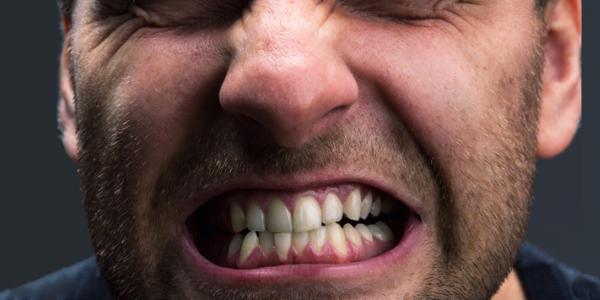
Bruxism is a condition where you grind, gnash, or clench your teeth. Not only does this mean you may clench your teeth while you’re awake, but it also means you grind your teeth at night. When you grind at night, it’s also known as sleep bruxism. If you do this, you’re also prone to other sleep disorders, such as sleep apnea or snoring.

Symptoms related to bruxism (tooth grinding and jaw clenching) include:

  • Chewed tissue on the inside of the cheek
  • Chronic facial pain
  • Earache
  • Enlarged jaw muscles
  • Headache
  • Increased tooth sensitivity
  • Indentations on the tongue
  • Jaw pain or tightness in jaw muscles
  • Pain while chewing
  • Teeth grinding or clenching
  • Damaged teeth that are worn down, flattened, fractured or chipped
  • Worn tooth enamel that exposes deeper layers of the tooth

Possible causes of Bruxism include:

  • Anxiety
  • Stress
  • Anger
  • Tension
  • Frustration
  • Coping strategy or habit during deep concentration

What should I do if I suspect Bruxism?

If you know you are grinding your teeth, or if you suspect teeth clenching and grinding may be to blame for pain or other symptoms, see a dentist. They can examine your teeth for wear to determine if you grind them. They can also look at your bite and alignment.

Teeth grinding is a common condition and treating it early is important to avoid significant dental complications. Your dentist is a good resource for diagnosing and treating bruxism.

Dr. Skrobanek can help prevent cracked and fractured teeth by designing a mouthguard or oral appliance to wear at night to keep you from clenching and grinding your teeth. As we know, there is a link between dental health and mental health and thankfully, mouthguards are a wonderful way to protect your teeth at night. They can also help with sleep apnea and snoring. Each mouthguard will be custom-made by Dr. Skrobanek to fit your mouth comfortably and will keep your teeth separated so they don’t grind together.

There’s more good news: Custom mouthguards or oral appliance therapy is covered by many insurance plans and the team at GPS Dental can help answer any questions you may have about your coverage.

Related Articles:

Other Symptoms

There are a number of other causes of jaw conditions. Symptoms will vary depending on the underlying cause. Examples of symptoms include:

  • Bleeding
  • Deformity of the jaw or face
  • Lump in the jawbone or surrounding tissues
  • Redness, warmth or swelling
  • Stiffness or spasms

Symptoms Indicating a Serious Condition

In some cases, a jaw condition can be a serious condition that should be immediately evaluated in an emergency setting. Seek immediate medical care (call 911) if you, or someone you are with, have any of these serious symptoms:

  • Difficulty breathing
  • Difficulty swallowing
  • Painful chewing
  • Locked jaw (unable to open or close)
  • Numbness or tingling sensation
  • Severe bleeding
  • Stiffness, spasm

Related Article: What is a Dental Emergency and Why Dental Emergency Care is Important

Diagnosis is an important step before treatment. Consult with Dr. Skrobanek, the dentist who treats TMJ disorders and Bruxism in the San Antonio area, to determine what type of jaw condition is causing you to suffer. Part of the dental examination includes checking the muscles and joints for clicking, popping, tenderness or difficulty moving.

It’s also important to stay up to date on your cleanings and routine visits to your dentist. In the meantime, having a strong and steady oral health routine – brushing twice a day and flossing once – is the best thing you can do for your oral health!

Dr. Gary P. Skrobanek and his experienced, friendly team at GPS Dental offer affordable family dentistry and gentle dental care in the San Antonio, TX area. Our Brooks City Base dentist office is conveniently located and offers early morning appointment times Monday through Friday to meet your needs. At GPS Dental, we provide most dental services, from family and general dentistry to dental implantssleep apneaTMJ / TMD Treatmentcosmetic dentistry and much more. We accept most dental insurance plans and offer affordable financial solutions for any budget. Call us at (210) 633-3477 to make an appointment.

Are You Clenching or Grinding Your Teeth While You Sleep?

Did you know that Bruxism is a condition where you grind, gnash, or clench your teeth, according to The Mayo Clinic? Not only does this mean you may clench your teeth while you’re awake, but it also means you grind your teeth at night. When you grind at night, it’s also known as sleep bruxism. If you do this, you’re also prone to other sleep disorders, such as sleep apnea or snoring. Although mild cases of bruxism may not require treatment, more severe cases of bruxism can cause headaches, jaw problems, damaged teeth, and more. 

Learn More about Bruxism from Mayo Clinic HERE.  

Bruxism Causes – What We Know 

Now that we know what Bruxism is, it’s important to look at some of the probable causes. Stress is a major factor in teeth grinding/clenching. When our levels of stress have peaked, we may not even know we’re clenching or grinding until we see our dentist or notice that we’re doing it. According to Mayo Clinic, stress isn’t the only factor for Bruxism.

Additional Bruxism factors include:

  • Anger, frustration, and stress
  • Age – Sometimes Bruxism is prevalent in children, but can be outgrown into adulthood
  • Personality type – some aggressive personality types can increase the risk
  • Family members who also experience bruxism
  • Medications – Alcohol, tobacco use, and certain medications can increase the risk
  • Other disorders – Bruxism has been associated with other disorders, such as sleep apnea, mental health disorders, dementia, etc. 

Stress and Oral Health

Can stress cause harm to your teeth? Unfortunately, the answer is yes and we know there is a dental health mental health link. Just like how stress can affect most areas of your body and your mental wellbeing, it can also impact your oral health. When your mind feels strained and out-of-control, your whole body can feel it as well.

Though it may not be widely known, anxiety and stress can cause patients to clench their jaw and grind their teeth often, and this can result in cracked teeth or inflamed gums. With the additional stress and tension that most Americans are dealing with, many dentists have stated that they’re busier than ever with repairing fractured teeth multiple times a week or even every day.

What are the side effects and complications of teeth grinding?

Teeth grinding can lead to a variety of side effects, including:

  • headaches
  • pain in the jaw, face, and ears
  • wearing down and flattening of teeth
  • loose or painful teeth
  • cracked, damaged, or fractured teeth
  • breakage of fillings and crowns

In extreme cases, problems chewing, speaking, and swallowing may also occur. You may not realize you grind your teeth until symptoms appear.

The risk of complications from teeth grinding may increase if you have untreated bruxism for an extended period of time. Long-term complications may include:

  • chronic ear and headache pain
  • facial muscle enlargement
  • damage to teeth that requires dental procedures, such as dental bonding, filling, crowns, or bridges
  • temporomandibular joint disorders (TMJ)

Teeth Grinding Spike

We’ve all experienced new levels of stress and, at times, have to adapt to new surroundings, procedures, and more. It’s been a lot to take in, to say the least. According to The New York Times, there are three major components to tooth fractures and mental health, and those are:

  • Working from home. If you’re used to working in an office setting, you may find it difficult to find the best place to work at home. You may not have the space for a desk and ergonomic office chair that helps you maintain a good posture. Believe it or not, bad posture and strain on your body throughout the day is a big contributor to teeth grinding.
  • Insomnia and restlessness. Many people are experiencing restlessness and anxiety when trying to sleep at night during the pandemic. When you’re not experiencing restorative sleep, your body goes into its “fight or flight” response, which often leads to grinding the teeth.
  • Not seeing your dentist. You might forget to check in for your cleaning appointment and see your dentist. It’s so important to visit your dentist for an exam and cleaning every six months, especially if you think you may be grinding your teeth.

What to Do to Stop Bruxism

At GPS Dental, we can set you up with a mouth guard to protect your teeth and jaw from any grinding at night. This mouthguard will be made specifically for your mouth, so the fit is perfect. If your Bruxism is linked to stress, then there are some stress-reduction techniques you can try as well, including: 

  1. Meditation: Meditation may help reduce stress and alleviate anxiety, pain, and depression. Try downloading a meditation app or joining a meditation group. Meditation takes practice. It may be best used in conjunction with other treatments, too. 
  2. Yoga: Another key benefit of yoga is that it helps with stress. Accumulation of stress can cause your nervous system to be constantly in overdrive, making it difficult to unwind, focus, and sleep. The breathing exercises you practice during yoga can help lower your heart rate and shift your nervous system into a more relaxed state. It also promotes better sleep and increased focus.
  3. Talk therapy: Talking to a therapist, counselor, or trusted friend may help reduce anxiety, depression, and stress. If your stress is affecting your daily life, a psychiatrist may also prescribe medications to help reduce stress and anxiety, if needed.
  4. Exercise: Exercise also reduces stress by producing feel-good endorphins. If you’re new to exercise, start slow. Try building daily activity into your life at first. You may also need to explore a variety of activities to find one that helps you relax.

Related Article: Custom Mouthguards can Help Sleep Apnea

You can also try tongue and jaw muscle exercises! This exercise is from Healthline.com and can help relax your facial muscles to reduce clenching. 

  • “Open your mouth wide while touching your tongue to your front teeth. This helps relax the jaw.”
  • “Say the letter “N” out loud. This will keep your top and bottom teeth from touching and help you avoid clenching.” 

When to seek help

If you know you are grinding your teeth, or if you suspect teeth clenching and grinding may be to blame for pain or other symptoms, see a dentist. They can examine your teeth for wear to determine if you grind them. They can also look at your bite and alignment.

Teeth grinding is a common condition with many possible causes. Treating it early is important to avoid significant dental complications. Your dentist and doctor are both good resources for diagnosing and treating bruxism. If you’re concerned about Bruxism or notice any signs, please contact us today! 

Solution for Grinding Your Teeth – Mouthguard

Dr. Skrobanek can help prevent cracked and fractured teeth by designing a mouthguard or oral appliance to wear at night to keep you from clenching and grinding your teeth. We know there’s a dental health mental health link and thankfully, mouthguards are a wonderful way to protect your teeth at night. They can also help with sleep apnea and snoring. Each mouthguard will be custom-made by Dr. Skrobanek to fit your mouth comfortably and will keep your teeth separated so they don’t grind together.

There’s more good news: Custom mouthguards or oral appliance therapy is covered by many insurance plans and the team at GPS Dental can help answer any questions you may have about your coverage.

Related Articles:

It’s also important to stay up to date on your cleanings and routine visits to your dentist. In the meantime, having a strong and steady oral health routine – brushing twice a day and flossing once – is the best thing you can do for your oral health!

More on Mouthguards from HealthLine.

Dr. Gary P. Skrobanek and his experienced, friendly team at GPS Dental offer affordable family dentistry and gentle dental care in the San Antonio, TX area. Our Brooks City Base dentist office is conveniently located and offers early morning appointment times Monday through Friday to meet your needs. At GPS Dental, we provide most dental services, from family and general dentistry to dental implantssleep apneaTMJ / TMD Treatmentcosmetic dentistry and much more. We accept most dental insurance plans and offer affordable financial solutions for any budget. Call us at (210) 633-3477 to make an appointment.