



Tag Archives: sensitive teeth

Why Are My Teeth Suddenly Sensitive? Common Causes of Tooth Sensitivity and When to See Your Dentist

Have you ever taken a sip of ice water or enjoyed a scoop of ice cream only to feel a sudden, sharp pain in one or more teeth? If so, you’re not alone. Tooth sensitivity is one of the most common reasons patients visit the dentist, and while it can be frustrating, it’s often treatable once the underlying cause is identified.

At GPS Dental in San Antonio, Dr. Skrobanek helps patients determine what’s causing their tooth sensitivity and recommends treatment based on their individual needs. While some cases are minor, others may signal a more significant dental concern that shouldn’t be ignored.

What Is Tooth Sensitivity?

Tooth sensitivity occurs when the protective outer layer of the tooth, called enamel, becomes worn or when gum tissue recedes, exposing the underlying dentin. Dentin contains tiny channels that connect to the nerve inside your tooth. When exposed to hot, cold, sweet, acidic, or even cold air, these channels can trigger discomfort or pain.

The good news is that tooth sensitivity isn’t a diagnosis—it’s a symptom. Finding the cause is the first step toward relief.

Common Causes of Sensitive Teeth

Worn Enamel

Over time, enamel naturally wears down. Brushing too aggressively, using a hard-bristled toothbrush, or consuming acidic foods and beverages can accelerate enamel erosion.

Gum Recession

Healthy gums protect the roots of your teeth. As gums recede, the root surface becomes exposed. Since roots don’t have enamel, they’re much more sensitive to temperature changes.

Tooth Decay

A cavity can create an opening that allows heat, cold, or sweets to reach the inner layers of the tooth.

Cracked or Chipped Teeth

Even a small crack can expose sensitive areas of the tooth and allow bacteria to enter, potentially leading to discomfort.

Teeth Grinding

Many people grind or clench their teeth without realizing it—often while sleeping. Over time, this habit can wear away enamel and contribute to sensitivity.

Recent Dental Treatment

Some patients experience temporary sensitivity after procedures such as fillings, crowns, or professional cleanings. This usually resolves on its own within a short period.

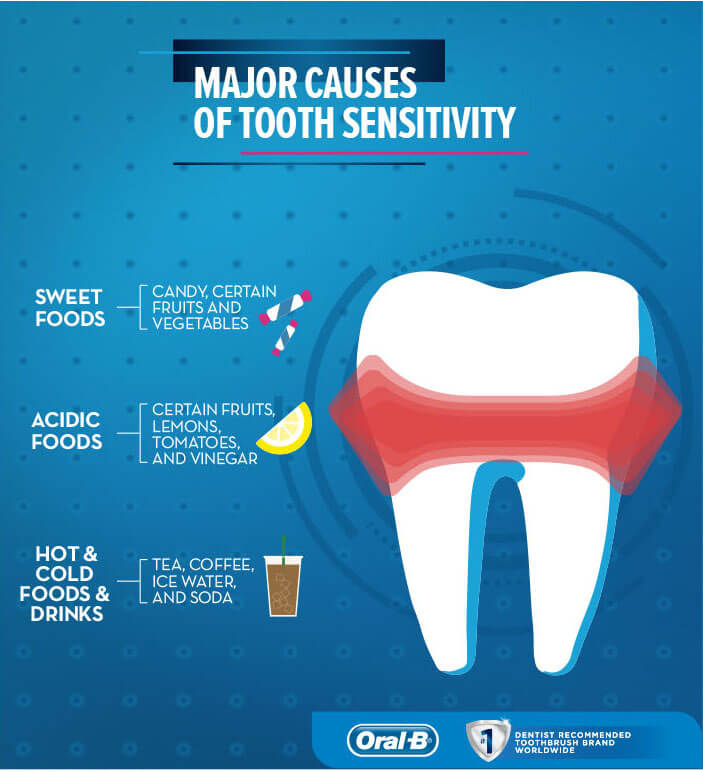
Foods That Can Trigger Sensitivity

If your teeth are sensitive, you may notice discomfort when consuming:

  • Ice cream
  • Cold drinks
  • Hot coffee or tea
  • Citrus fruits
  • Tomatoes
  • Soda
  • Candy
  • Sweet desserts

Avoiding these foods isn’t always necessary, but it’s worth mentioning any patterns you notice during your dental visit.

When Should You Call Your Dentist?

Occasional mild sensitivity isn’t always an emergency. However, you should schedule an appointment if:

  • The pain persists for more than a few days.
  • Sensitivity is getting worse.
  • One tooth hurts significantly more than others.
  • You notice swelling or visible damage.
  • Pain interferes with eating or drinking.

Ignoring sensitivity could allow an underlying issue to worsen.

How GPS Dental Can Help

The first step is identifying the cause. During your exam, Dr. Skrobanek will evaluate your teeth, gums, bite, and any restorations to determine why you’re experiencing discomfort.

Treatment may include:

  • Fluoride treatments
  • Desensitizing toothpaste recommendations
  • Tooth-colored fillings
  • Dental crowns
  • Nightguards for grinding
  • Gum disease treatment if needed

Because every patient is different, treatment is always personalized.

Preventing Tooth Sensitivity

You can reduce your risk by:

  • Brushing gently with a soft-bristled toothbrush
  • Using fluoride toothpaste
  • Limiting acidic beverages
  • Wearing a nightguard if you grind your teeth
  • Keeping up with routine dental cleanings and exams

Prevention Starts with Routine Care

Many causes of tooth sensitivity can be identified during routine six-month dental visits before they become more serious.

At GPS Dental, preventive dentistry is about helping patients stay comfortable and avoid larger problems down the road.

If you’ve been dealing with tooth sensitivity, don’t assume you have to live with it. A simple evaluation can often identify the cause and help you get back to enjoying your favorite foods without discomfort.

Schedule your appointment with GPS Dental today and let us help you smile comfortably again.

Dr. Gary P. Skrobanek is a dental implant dentist and his experienced, friendly team at GPS Dental offer affordable family dentistry and gentle dental care in the San Antonio, TX area. Our Brooks City Base dentist office is conveniently located and offers early morning appointment times Monday through Friday to meet your needs. At GPS Dental, we provide most dental services, from family and general dentistry to dental implants, sleep apnea, TMJ / TMD Treatment, cosmetic dentistry and much more. We accept most dental insurance plans and offer affordable financial solutions for any budget. Call us at (210) 633-3477 to make an appointment.
Top 10 Causes of Sensitive Teeth

causes-of-sensitive-teeth

Many individuals suffer symptoms of sensitive teeth which typically consist of discomfort or pain while eating, drinking, and breathing. Causes of sensitive teeth can vary from deteriorated tooth enamel to unprotected tooth roots.

If you are suffering from sensitive teeth and wondering how you can prevent this condition, continue reading for the 10 common causes of sensitive teeth as well as suggestions on how to avoid or diminish sensitive teeth.

  1. Brushing Too Aggressively

Keeping your teeth clean and free of plaque is fundamental to your oral health. However, using a hard bristle brush or brushing teeth harshly can wear down the enamel and be one of the top causes of sensitive teeth. Once this protective coating is damaged or worn down entirely, the dentin underneath is exposed. This tissue inside the tooth is highly sensitive to stimuli. Using a softer bristle brush and brushing less vigorously is your best course.

  1. Chipped or Cracked Teeth

If you have a chipped or cracked tooth and notice pain resonating from that particular tooth, this is a severe condition and one of the top causes of sensitive teeth. The discomfort experienced is most likely resulting from plaque and food debris seeping into your teeth, accessing the pulp, and causing an infection. Extraction, a root canal, or another dental procedure will have to be done to treat the infection and thereby alleviate the pain.

Related Article: Chipped Tooth? 3 Ways to Make it Look Like New

  1. Cavity

In some instances, a cavity causes sensitive teeth. Much like cracks or chips in a tooth, a cavity also provides an opening to deep layers of the tooth. Poor oral hygiene and regular consumption of sugary foods and drinks will lead to sensitive teeth.

  1. Worn Filling

The purpose of a filling is to repair cavities and openings in the teeth. However, over time, these fillings can wear down. As they do, an entrance to the tooth is once again revealed. Relieve sensitive teeth from this cause with a secure filling.

  1. Teeth Grinding (TMJ)

People who grind their teeth will wear them down, resulting in extreme discomfort and causes tooth sensitivity. Ask your dentist about bruxism. A mouthguard might be suggested for your sensitive teeth.

Related Article: Are You Experiencing Jaw Pain? You could have TMJ!

  1. Acidic Foods or Drinks

A typical cause of sensitive teeth is the persistent consumption of acidic foods or drinks. The chemicals contained in these items attack the enamel of the teeth causing it to wear down and lose its strength. Decreasing the consumption of these items (such as wine, soda, coffee, and some fruits) can reduce tooth sensitivity.

  1. Gum Disease

Gum disease results from poor oral hygiene habits. With severe plaque build-up, bacteria can collect heavily on the gums. It causes sore and bleeding gums and discomfort while chewing. More severely, it can attack the bone of the teeth often resulting in deterioration, pain, and eventually tooth loss.

Related Article: Dental Health Awareness: Gum Disease & Heart Disease

  1. Excessive Plaque

Gingivitis is the preceding stage of gum disease and occurs when plaque builds up on the teeth and along the gum line. It causes red, swollen, tender gums. If left untreated, gingivitis leads to gum recession, that will expose the root of the teeth. This state of vulnerability leads to very sensitive teeth.

Related Article: Bad Teeth? You May Need Perio Treatment

  1. Extreme Use of Mouthwash

Using mouthwash is a good addition to your routine of flossing and brushing. However, when used in excess, it can rank on the list of causes of sensitive teeth. Some mouthwashes contain alcohol, which can wear down the enamel. Consider using a milder mouthwash, without alcohol to limit enamel erosion.

  1. Dental Procedures

Dental procedures are often performed to correct an existing issue. However, they may result in sensitive teeth immediately afterward. This discomfort should only last a short period. If you notice the pain continues after the estimated recovery period, contact your dentist about your sensitive teeth.

GPS Dental Can Help with Sensitive Teeth

If you have sensitive teeth, visit GPS Dental. Our dental professionals can identify the underlying causes of your tooth pain. For more information on our services, how we can help you, or to book your next appointment, contact us.


Dr. Gary P. Skrobanek’s experienced and friendly team at GPS Dental offers family dentistry for all ages in San Antonio, TX area. Our Brooks City Base dentist office is conveniently located and offers early morning appointment times Monday through Friday to meet your needs. At GPS Dental, we promote dental health awareness to our patients and provide most dental services, from family and general dentistry to dental implants, sleep apnea, TMJ / TMD Treatment, cosmetic dentistry and much more. We accept most dental insurance plans and offer affordable financial solutions for any budget. Call us at 210-633-3477 to make an appointment.

Sensitive Teeth? 4 Steps for Reducing Pain

sensitive-teeth-imageSensitive teeth can take your favorite treats and turn them into big-time pain. A bowl of ice cream, a steaming cup of coffee, or even just a cold breath of air can trigger aches and pains for those with sensitive teeth. Of course, with the holidays coming up, it can be tricky to schedule a dental visit right away.


Until you can get in to talk to your dentist, GPS Dental suggests these in-home tactics to ease your pain.

Pick Up a Desensitizing Toothpaste

Toothpastes made to ease sensitivity block or dull the transmission of pain signals from your teeth, making that ice cream a lot more enjoyable. If you’ve just started using a toothpaste made for sensitive teeth, don’t lose hope too quickly – it usually takes a while (sometimes up to a month) to feel a difference.

Take a Look at Your Toothbrush

Once you’ve found a toothpaste suited to your needs, look at the bristles on your toothbrush. If they’re looking ragged and sticking out in weird directions, you’re probably pushing too hard when you brush. Ease up when you’re brushing and grab a new, softer toothbrush.

Related Reading: 3 Reasons to Visit Your Dentist Before the End of the Year

Change Up Your Diet

While it’s fairly common knowledge that the carbonation in soda is rough on our teeth, we don’t always think about other sources of acid we consume. A diet heavy in acidic foods – even healthy foods – can wear down our enamel and contribute to sensitive teeth. If you’re experiencing extra sensitive choppers, try cutting down on your citrus fruit, tomato products, and wine to reduce the acid your teeth come into contact with.

See Your Dentist

While the steps above can help alleviate pain, tooth sensitivity is usually a sign of a problem. Because sensitive teeth can be caused by a number of factors, a dental visit is important to fix the root of the problem (no pun intended). After your dentist identifies the reason behind your sensitivity, they may suggest an in-office treatment such as,

  • Fluoride gel
  • Crown, inlay, or bonding
  • Surgical gum graft
  • Root canal

Each treatment helps sooth sensitive teeth depending on the source of the sensitivity, be it a cavity or worn filling; you’ll need a dentist to figure out the right treatment for your mouth.

If you’re dealing with sensitive teeth, you’re not alone. It is estimated that more than 45 million adults in the United States struggle with this issue. While the ideas above may help reduce your pain, a visit to your dentist might be able to fix the problem once and for all. If you’re missing out because of your sensitive teeth, call the most trusted dentist office in San Antonio, GPS Dental, at (210) 633-3477.