


Have you ever awakened with a sore jaw, a dull headache or teeth that feel unusually sensitive?
Maybe your partner has mentioned hearing you grind your teeth while you sleep.
Or perhaps you’ve noticed yourself clenching your jaw during a stressful workday.
These experiences may be signs of bruxism, the medical term for grinding or clenching your teeth.
Teeth grinding is surprisingly common, and many people don’t realize they’re doing it.
Although occasional clenching may not cause significant problems, persistent or forceful grinding can place considerable stress on your teeth, jaw muscles and surrounding structures.
At GPS Dental in San Antonio, Dr. Skrobanek believes identifying concerns early is an important part of protecting your natural teeth.
Understanding the signs of bruxism and knowing when to seek dental care can help prevent avoidable damage.
What Is Bruxism?
Bruxism refers to repetitive activity involving the jaw muscles, including grinding, clenching or bracing the jaw.
It can occur while you’re awake or asleep.
Awake bruxism often involves clenching or holding the teeth tightly together, sometimes during periods of concentration, frustration or emotional stress.
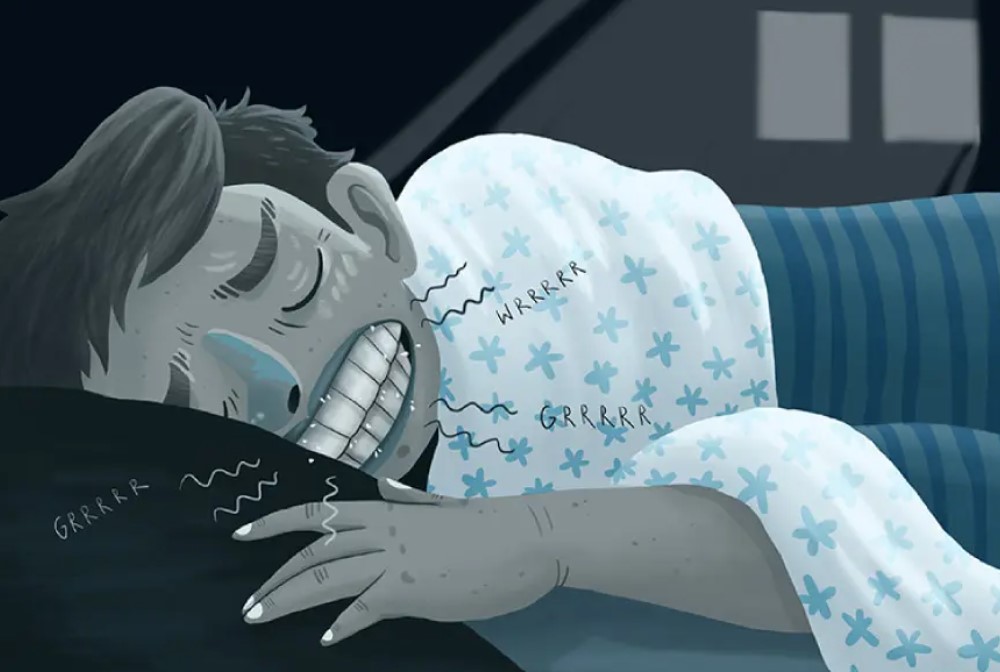
Sleep bruxism occurs during sleep and may involve rhythmic grinding or clenching movements.
Because sleep bruxism happens unconsciously, many patients don’t know it’s occurring until someone else notices the sounds or their dentist identifies signs of tooth wear.
Not every person who grinds their teeth will experience damage, but persistent grinding deserves attention when symptoms or changes appear.
How Is Stress Connected to Teeth Grinding?
Stress and anxiety can contribute to awake bruxism and are associated with sleep bruxism in some people.
Think about how your body reacts when you’re under pressure.
Your shoulders may tighten.
Your breathing may become shallow.
Your muscles may tense.
For some people, the jaw is another place where that tension appears.
You might clench your teeth while answering emails, driving through traffic, concentrating on a difficult task or dealing with a stressful situation.
Often, this happens without conscious awareness.
However, stress isn’t the only possible factor.
Sleep-related grinding can also be associated with sleep disturbances, certain medications, lifestyle factors and other conditions.
That means treatment should be individualized rather than assuming stress is always the cause.
Seven Signs You May Be Grinding Your Teeth
Because bruxism isn’t always obvious, it’s helpful to recognize the potential warning signs.
1. Morning Jaw Soreness
If your jaw muscles feel tired, tight or uncomfortable when you wake up, nighttime clenching may be contributing.
Some people notice soreness near their cheeks or temples.
2. Frequent Headaches
Tension involving the jaw muscles can contribute to headaches, particularly around the temples.
Of course, headaches have many possible causes, so persistent or unusual symptoms should be evaluated appropriately.
3. Flattened or Worn Teeth
Repeated grinding can gradually wear down tooth surfaces.
Your dentist may notice flattened chewing surfaces, unusual wear patterns or changes in tooth shape.
4. Increased Tooth Sensitivity
As enamel becomes worn or teeth develop small fractures, sensitivity to hot, cold or sweet foods may increase.
Sensitivity isn’t always caused by grinding, but it can be one piece of the overall picture.
5. Chipped or Cracked Teeth
Excessive biting forces can contribute to chips, fractures or damage to existing dental restorations.
Even small cracks may become more concerning if the underlying forces continue.
6. Jaw Clicking or Discomfort
Some people with bruxism also experience discomfort involving the temporomandibular joint, commonly called the TMJ.
Clicking alone doesn’t necessarily indicate a serious problem, but pain, locking or difficulty opening the mouth should be evaluated.
7. A Partner Notices Grinding Sounds
Sometimes the first clue comes from someone sleeping nearby.
Grinding sounds during the night may indicate sleep bruxism.
However, not all nighttime clenching produces audible grinding.
What Happens If Teeth Grinding Continues?
Your teeth are designed to withstand normal chewing forces.
But repetitive grinding and forceful clenching can place additional stress on teeth and restorations.
Over time, this may contribute to:
- Excessive enamel wear
- Chipped or fractured teeth
- Damaged fillings or crowns
- Tooth sensitivity
- Jaw muscle soreness
- Headaches
- Discomfort when chewing
In some cases, severe wear or fractures can require restorative dental treatment.
That is why identifying damaging habits early is so valuable.
Rather than waiting until a tooth breaks or becomes painful, your dentist can assess the condition of your teeth and discuss appropriate protective options.
Can a Dentist Tell If You’re Grinding Your Teeth?
A thorough dental examination can reveal clues associated with bruxism.
Dr. Skrobanek may look for unusual tooth wear, chipped enamel, cracked restorations, tenderness in the jaw muscles and other findings.
He may also ask about headaches, sleep quality, jaw discomfort and daily habits.
However, tooth wear alone doesn’t prove that grinding is currently happening.
Wear can reflect habits from years earlier, and some people grind their teeth without developing obvious damage.
A careful evaluation considers your symptoms, dental history and examination findings together.
When sleep-related symptoms suggest another condition, further evaluation by an appropriate health care professional may be recommended.
Can a Nightguard Protect Your Teeth?
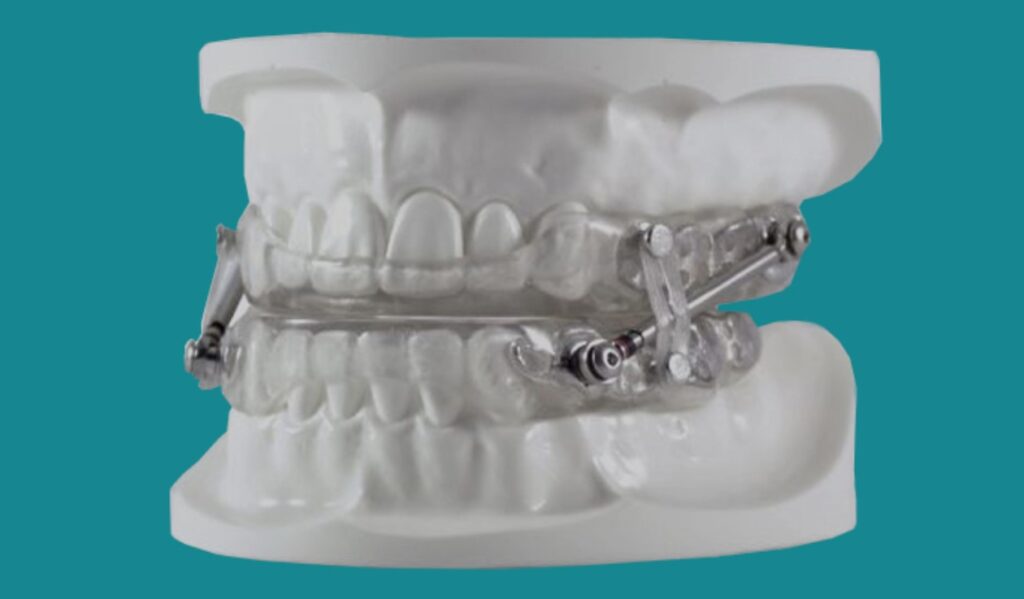
For some patients, a professionally fitted dental nightguard may be recommended to help protect the teeth from damaging contact during sleep.
A nightguard creates a protective barrier between the upper and lower teeth.
Although it may help reduce tooth damage, a nightguard does not necessarily stop the grinding activity itself.
Not every patient needs one, and the design should be selected according to individual circumstances.
Over-the-counter mouthguards are available, but they may not provide the same fit or suitability as a professionally made appliance.
Before purchasing a guard, it’s worth discussing your symptoms with your dentist.
What Can You Do During the Day?
If you notice yourself clenching while awake, a few practical strategies may help.
Check your jaw position. When you’re not eating or swallowing, your teeth generally should not be held tightly together.
Take short relaxation breaks. Periodically relax your shoulders, facial muscles and jaw.
Pay attention to triggers. Notice whether clenching occurs while driving, working or concentrating.
Avoid chewing on hard objects. Pens, ice and other hard items can place additional stress on teeth.
Reduce unnecessary jaw strain. If your jaw is sore, avoiding prolonged gum chewing or very hard foods may help.
Develop a consistent sleep routine. Good sleep habits support overall health and may be helpful when stress and poor sleep are contributing factors.
These steps are not substitutes for professional evaluation when pain or dental damage is present, but they can support greater awareness of clenching habits.
What About Sleep Apnea?
Sleep bruxism and obstructive sleep apnea can occur together in some patients.
Obstructive sleep apnea involves repeated episodes of upper-airway obstruction during sleep and requires appropriate medical evaluation.
Possible symptoms include loud snoring, witnessed pauses in breathing, waking up gasping and excessive daytime sleepiness.
If these symptoms are present, tell your dentist and medical provider.
A dental nightguard is not a treatment for sleep apnea, and an appliance selected for grinding may not be appropriate for someone with an untreated sleep-related breathing disorder.
Proper diagnosis is important before choosing treatment.
Protecting Your Smile Through Preventive Dentistry
One of the most important benefits of maintaining a long-term relationship with your dentist is the ability to monitor changes over time.
When Dr. Skrobanek examines your teeth regularly, he can compare their condition with previous visits.
Is tooth wear increasing?
Has a small crack appeared?
Are existing restorations showing signs of stress?
Have your symptoms changed?
These observations can help guide recommendations before damage becomes more extensive.
At GPS Dental, we believe preventive care should be personal, thoughtful and based on each patient’s needs.
Don’t Ignore What Your Jaw Is Telling You
A sore jaw or occasional headache may seem like a small inconvenience.
But when symptoms occur repeatedly, they deserve attention.
Teeth grinding and clenching can gradually affect your comfort and oral health, sometimes without obvious warning signs.
The good news is that awareness, professional evaluation and appropriate protective measures can help reduce the risk of further damage.
At GPS Dental in San Antonio, Dr. Skrobanek and our team are committed to helping patients maintain healthy, comfortable smiles through personalized preventive care.
If you’ve noticed jaw soreness, tooth sensitivity, headaches or signs of grinding, contact GPS Dental to schedule an evaluation.
Your smile works hard for you every day. Let’s help protect it for years to come.