



Tag Archives: dental appointment

Quitting Smoking or Vaping: What It Means for Your Oral Health and How Your Smile Can Recover

Making the decision to quit smoking or vaping is one of the most important steps you can take for your overall health. While many people think about the benefits for their lungs or heart, the impact on your oral health is just as significant—and often one of the first places you’ll notice positive changes.

At GPS Dental in San Antonio, Dr. Skrobanek supports patients at every stage of their health journey. Whether you’re thinking about quitting, actively trying, or have already made the change, understanding how your mouth heals and what to expect can help you stay motivated.

Let’s take a closer look at how quitting smoking or vaping benefits your oral health—and how your dental team can support you along the way.


What Happens to Your Mouth When You Quit?

The moment you stop smoking or vaping, your body begins to heal—and your mouth is no exception.

Within days to weeks, many patients notice:

  • Improved blood flow to the gums
  • Reduced inflammation
  • Better healing ability
  • Fresher breath
  • Improved sense of taste and smell

Over time, your risk for serious oral health conditions—including gum disease and oral cancer—begins to decrease.

While healing doesn’t happen overnight, your body is incredibly resilient. Every day without exposure to harmful chemicals is a step toward better health.


Gum Health Can Improve

Smoking and vaping both affect circulation in the gums, which can make it harder for your body to fight infection. This is one reason gum disease is more common—and often more severe—in patients who use tobacco products.

After quitting, your gums are better able to:

  • Respond to bacteria
  • Heal after cleanings or procedures
  • Reduce inflammation
  • Maintain healthier tissue overall

Many patients see noticeable improvement in gum health within a few months of quitting, especially when combined with regular dental care.


Lower Risk of Oral Cancer

One of the most important long-term benefits of quitting is reducing your risk of oral cancer.

While past exposure can’t be erased, stopping smoking or vaping:

  • Reduces ongoing damage to oral tissues
  • Lowers your risk over time
  • Improves your body’s ability to detect and repair abnormal cells

This is why regular oral cancer screenings remain important even after quitting. Continued monitoring ensures that any concerns are caught early.


Better Outcomes for Dental Treatment

If you’ve ever needed dental work, quitting smoking or vaping can significantly improve your outcomes.

Patients who quit often experience:

  • Faster healing after procedures
  • Better success with restorations
  • Improved gum stability
  • Reduced risk of complications

Whether it’s a simple filling or more advanced treatment, your body responds better when it’s not dealing with ongoing chemical exposure.


Support Makes a Difference

Quitting smoking or vaping is not always easy—but you don’t have to do it alone.

At GPS Dental, we take a supportive, judgment-free approach. We understand that every patient is different, and we’re here to:

  • Answer questions about oral health changes
  • Monitor your progress
  • Provide encouragement during your visits
  • Help you stay focused on long-term benefits

Sometimes, simply understanding how your oral health improves can be a powerful motivator to keep going.


Tips to Support Your Oral Health While Quitting

As your body adjusts, there are a few simple steps you can take to support your oral health:

  • Stay consistent with brushing and flossing
  • Keep up with regular dental cleanings and exams
  • Drink plenty of water to help reduce dry mouth
  • Use products recommended by your dental team
  • Be patient—healing takes time

Regular dental visits are especially important during this transition. They allow us to track improvements and address any concerns early.


A Healthier Smile Starts Today

Quitting smoking or vaping is a major step toward improving your health—and your smile is one of the first places you’ll see the benefits.

At GPS Dental, we’re here to support you every step of the way with preventive care, oral cancer screenings, and personalized guidance.

If it’s been a while since your last visit, now is a great time to schedule your exam and cleaning.

📞 Contact GPS Dental in San Antonio today and take the next step toward a healthier, stronger smile.

Dr. Gary P. Skrobanek is a dental implant dentist and his experienced, friendly team at GPS Dental offer affordable family dentistry and gentle dental care in the San Antonio, TX area. Our Brooks City Base dentist office is conveniently located and offers early morning appointment times Monday through Friday to meet your needs. At GPS Dental, we provide most dental services, from family and general dentistry to dental implantssleep apneaTMJ / TMD Treatmentcosmetic dentistry and much more. We accept most dental insurance plans and offer affordable financial solutions for any budget. Call us at (210) 633-3477 to make an appointment.

The Hidden Dangers of Smoking and Vaping: What You Need to Know About Oral Cancer Risk

When people think about the risks of smoking, they often think about lung health. In recent years, vaping has also been marketed as a “safer” alternative. However, both smoking and vaping can have serious effects on your oral health—especially when it comes to the risk of oral cancer.

At GPS Dental in San Antonio, Dr. Skrobanek believes that patient education is a key part of preventive care. Understanding how lifestyle choices affect your health allows you to make informed decisions—and helps us work together to protect your smile for the long term.

Let’s take a closer look at how smoking and vaping impact your oral health and why regular dental visits, including oral cancer screenings, are so important.


What Is Oral Cancer?

Oral cancer refers to cancer that develops in the mouth or surrounding tissues, including the lips, tongue, cheeks, gums, and throat. Like many cancers, early detection plays a major role in successful treatment outcomes.

The challenge is that oral cancer often develops quietly. In its early stages, it may not cause pain or obvious symptoms. That’s why routine dental exams—including oral cancer screenings—are so important.


How Smoking Increases Oral Cancer Risk

Smoking is one of the leading risk factors for oral cancer. Tobacco products contain thousands of chemicals, many of which are known carcinogens (cancer-causing substances).

When you smoke, these chemicals come into direct contact with the tissues in your mouth, leading to:

  • Irritation and damage to soft tissues
  • Changes in the cells lining the mouth
  • Increased inflammation
  • Reduced ability for tissues to heal properly

Over time, this repeated exposure can lead to abnormal cell growth and increase the likelihood of cancer development.

The risk increases with:

  • Long-term use
  • Frequency of smoking
  • Combined use with alcohol

Even occasional smoking can have an impact on oral health, but long-term use significantly raises the risk.


What About Vaping?

Vaping is often seen as a safer alternative to traditional cigarettes—but that doesn’t mean it’s risk-free.

E-cigarettes and vape products still expose the mouth to chemicals, nicotine, and heated aerosols. While research is still ongoing, early studies suggest that vaping can:

  • Irritate oral tissues
  • Alter the natural balance of bacteria in the mouth
  • Contribute to inflammation
  • Deliver substances that may damage cells over time

Many vape liquids contain flavoring agents and compounds that, when heated, can break down into potentially harmful substances. While vaping may not involve traditional tobacco combustion, it still introduces chemicals into the mouth that can affect oral health.

The long-term impact of vaping is still being studied, but dental professionals are already seeing concerning trends related to gum health, tissue irritation, and potential cellular changes.


Why This Matters for Your Mouth

Your mouth is one of the first areas exposed to these substances. That means the tissues inside your mouth—including your gums, cheeks, and tongue—are directly affected by smoking and vaping.

Over time, this exposure can lead to:

  • Gum disease
  • Delayed healing after dental procedures
  • Increased risk of infections
  • Changes in oral tissues
  • Higher risk for oral cancer

These effects often develop gradually, which is why they can go unnoticed without regular dental care.


The Importance of Oral Cancer Screenings

At GPS Dental, oral cancer screenings are part of every routine dental exam. These screenings are quick, painless, and designed to identify any unusual changes in your mouth as early as possible.

During your exam, Dr. Skrobanek will check:

  • The tongue and underside of the tongue
  • The inside of the cheeks
  • The gums and roof of the mouth
  • The throat and surrounding tissues

The goal is to look for any abnormalities, such as discoloration, lesions, or unusual tissue changes.

For patients who smoke or vape, these screenings are especially important. Regular monitoring allows us to detect changes early—often before symptoms develop.


Warning Signs to Watch For

While regular exams are key, it’s also important to be aware of potential signs of oral cancer between visits.

Contact your dentist if you notice:

  • A sore that does not heal within two weeks
  • Red or white patches in the mouth
  • Lumps or thickened areas
  • Difficulty chewing or swallowing
  • Numbness or persistent discomfort

These symptoms do not always indicate cancer, but they should always be evaluated.


Prevention Starts with Awareness

The good news is that many risk factors for oral cancer are preventable. Reducing or eliminating tobacco use—including smoking and vaping—can significantly lower your risk.

In addition to avoiding harmful substances, maintaining regular dental visits plays a critical role in prevention. Routine exams allow your dental team to monitor your oral health over time and catch potential concerns early.

Preventive care includes:

  • Regular cleanings and exams
  • Oral cancer screenings
  • Gum health evaluations
  • Personalized recommendations based on your habits and health history

At GPS Dental, we take a supportive, judgment-free approach. If you have questions about smoking, vaping, or your oral health, we’re here to help—not to lecture.


Protecting Your Long-Term Health

Your oral health is closely connected to your overall well-being. The choices you make today can have a lasting impact on your health in the years ahead.

Oral Cancer Awareness Month is a reminder to stay informed, stay proactive, and stay consistent with your dental care.

If it’s been more than six months since your last visit, now is the perfect time to schedule your exam and cleaning.

📞 Contact GPS Dental in San Antonio today to book your appointment and take an important step toward protecting your smile—and your health.

Dr. Gary P. Skrobanek is a dental implant dentist and his experienced, friendly team at GPS Dental offer affordable family dentistry and gentle dental care in the San Antonio, TX area. Our Brooks City Base dentist office is conveniently located and offers early morning appointment times Monday through Friday to meet your needs. At GPS Dental, we provide most dental services, from family and general dentistry to dental implantssleep apneaTMJ / TMD Treatmentcosmetic dentistry and much more. We accept most dental insurance plans and offer affordable financial solutions for any budget. Call us at (210) 633-3477 to make an appointment.
Oral Cancer Awareness Month: Why Your Routine Dental Exam Could Save Your Life

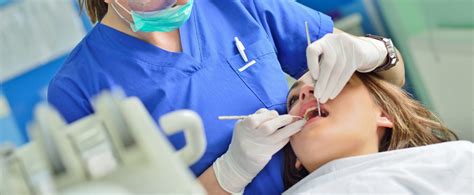
April is Oral Cancer Awareness Month, a time dedicated to raising awareness about a serious condition that often goes unnoticed in its early stages. While many people think of dental visits as simply checking for cavities or getting their teeth cleaned, your routine exam at GPS Dental in San Antonio includes something much more important: an oral cancer screening.

At GPS Dental, Dr. Skrobanek believes in proactive, preventive care. That means looking beyond your teeth and gums to monitor your overall oral health—including early signs of oral cancer. These screenings are quick, painless, and performed as part of your regular dental exam—but they can make a life-saving difference.

Let’s take a closer look at why oral cancer awareness matters and why your routine six-month checkup is one of the most important health appointments you can keep.


What Is Oral Cancer?

Oral cancer refers to cancers that develop in the mouth or throat, including the lips, tongue, cheeks, gums, and soft tissues. Like many cancers, it is far more treatable when detected early. Unfortunately, oral cancer often does not cause noticeable symptoms in its earliest stages, which is why regular screenings are so important.

Common warning signs may include:

  • Persistent sores that do not heal
  • Red or white patches in the mouth
  • Lumps or thickened areas
  • Difficulty chewing or swallowing
  • Numbness in the mouth or lips

Because these symptoms can be subtle—or even painless—many people do not realize there is an issue until the condition has progressed.


Oral Cancer Screenings: A Simple but Powerful Tool

One of the most valuable parts of your routine dental exam at GPS Dental is the oral cancer screening. This is a quick, non-invasive check that allows Dr. Skrobanek to evaluate the soft tissues of your mouth and look for any unusual changes.

During your exam, we carefully check:

  • The tongue and underside of the tongue
  • The inside of the cheeks
  • The gums and roof of the mouth
  • The throat and surrounding tissues

These screenings take only a few minutes but can play a critical role in early detection. When oral cancer is found early, treatment outcomes improve significantly.

This is one of the many reasons why routine dental visits are about much more than just your teeth—they are an important part of your overall health.


Why Preventive Dentistry Matters More Than Ever

Preventive dentistry is the foundation of long-term oral health. Rather than waiting for problems to develop, preventive care focuses on identifying concerns early and maintaining a healthy environment in your mouth.

At GPS Dental, preventive dentistry includes:

  • Routine exams and cleanings
  • Digital X-rays when needed
  • Gum health evaluations
  • Oral cancer screenings

These visits allow us to track changes over time, catch issues early, and provide guidance tailored to your needs.

In today’s busy world, it can be easy to delay routine appointments. However, skipping preventive care often leads to more complex, costly, and uncomfortable treatments down the road.


The Importance of Your 6-Month Dental Exam and Cleaning

You’ve likely heard that you should visit the dentist every six months—and there’s a good reason for that. These routine visits are timed to help catch issues before they have a chance to progress.

Here are some of the top reasons why your six-month exam and cleaning are so important:

1. Early Detection of Serious Conditions

Oral cancer screenings, along with evaluations of your gums and tissues, allow us to identify potential concerns early—often before symptoms appear.

2. Prevention of Gum Disease

Gum disease is one of the leading causes of tooth loss and has been linked to overall health concerns. Regular cleanings remove plaque and tartar that brushing and flossing alone cannot eliminate.

3. Catching Cavities Early

Small cavities can often be treated quickly and comfortably. Left untreated, they can progress into larger problems that require more extensive care.

4. Protecting Your Dental Work

If you have crowns, fillings, or other restorations, routine visits help ensure they remain in good condition and continue to function properly.

5. Maintaining Fresh Breath and a Clean Smile

Professional cleanings remove buildup that can lead to bad breath and discoloration, helping your smile look and feel its best.

6. Monitoring Changes Over Time

When you visit the same dental team regularly, we can track subtle changes in your oral health. This continuity of care allows for more personalized and proactive treatment.


A Relationship-Based Approach to Your Health

At GPS Dental, we believe that great dentistry is built on relationships. When you see the same dentist consistently, your care becomes more personalized, thoughtful, and effective.

Dr. Skrobanek takes the time to get to know each patient—not just their dental history, but their concerns, habits, and long-term goals. This approach allows us to provide care that goes beyond treating problems—it helps prevent them.

Your routine dental visit is not just an appointment. It is an opportunity to check in on your health, ask questions, and stay ahead of potential concerns.


Don’t Skip the Appointment That Protects More Than Your Smile

Oral Cancer Awareness Month is a reminder that your oral health is closely connected to your overall well-being. A simple, routine dental exam can play a powerful role in protecting your health—not just today, but for years to come.

If it has been more than six months since your last visit, now is the perfect time to schedule your exam and cleaning.

📞 Contact GPS Dental in San Antonio today to book your appointment and take an important step toward protecting your smile—and your health.

Dr. Gary P. Skrobanek is a dental implant dentist and his experienced, friendly team at GPS Dental offer affordable family dentistry and gentle dental care in the San Antonio, TX area. Our Brooks City Base dentist office is conveniently located and offers early morning appointment times Monday through Friday to meet your needs. At GPS Dental, we provide most dental services, from family and general dentistry to dental implantssleep apneaTMJ / TMD Treatmentcosmetic dentistry and much more. We accept most dental insurance plans and offer affordable financial solutions for any budget. Call us at (210) 633-3477 to make an appointment.

Family Dentistry for Every Stage of Life: From Age 1 to 101

Finding a dental home for your family is about more than convenience. It is about trust, continuity of care, and having a team that understands how dental needs change over time. At GPS Dental in San Antonio, Dr. Skrobanek is proud to care for patients at every stage of life — from a child’s first visit to restorative and cosmetic care for adults and seniors.

Whether you are bringing in your toddler for a routine cleaning, helping your teen maintain healthy habits, exploring cosmetic dentistry as an adult, or restoring your smile later in life, GPS Dental is here to guide you every step of the way. We believe family dentistry should be comprehensive, personal, and centered around long-term health. In other words, we are here for you whether you are 1 or 101.

What Is Family Dentistry?

Family dentistry focuses on caring for patients of all ages in one practice. Instead of going to separate offices for children, adults, and older family members, a family dental office can often provide the preventive, restorative, and cosmetic care everyone needs in one convenient location.

This approach allows families to:

  • Build lasting relationships with one trusted dental team
  • Schedule appointments more conveniently
  • Create consistency in care over time
  • Feel comfortable returning year after year

At GPS Dental, that continuity matters. Dr. Skrobanek gets to know each patient as an individual — not just their teeth, but their concerns, goals, and dental history too.

Starting Early: Dental Care for Young Children

A child’s early dental experiences can shape how they feel about the dentist for years to come. That is why gentle, positive care is so important from the very beginning.

Routine cleanings and exams for children help:

  • Monitor oral development
  • Check for early signs of cavities
  • Reinforce healthy brushing and flossing habits
  • Create comfort and familiarity with the dental office

As children grow, dental visits also provide the opportunity to watch for changes in bite, spacing, and development. Early guidance can make a big difference in preventing problems down the road.

At GPS Dental, we want children to feel at ease and parents to feel confident that their child’s smile is being cared for with kindness and attention.

Helping Teens and Young Adults Build Healthy Habits

As children grow into teens, their dental needs and routines begin to change. Busy schedules, sports, sugary drinks, and orthodontic treatment can all affect oral health during these years.

Regular visits help us:

  • Keep teeth clean and healthy
  • Monitor wisdom teeth and bite changes
  • Encourage strong home care habits
  • Watch for signs of enamel wear, decay, or gum irritation

This stage of life is also a great time to build independence around oral health. Dr. Skrobanek and the GPS Dental team work with teens and young adults to help them understand how today’s habits affect their long-term smile.

Routine Preventive Care for Adults

For adults, routine dental care remains one of the most important parts of maintaining overall health. Even when teeth feel fine, regular cleanings and exams help catch small issues before they turn into bigger concerns.

Preventive care may include:

  • Professional dental cleanings
  • Comprehensive exams
  • Digital X-rays
  • Oral cancer screenings
  • Monitoring for gum disease, cavities, and wear

At GPS Dental, preventive care is never rushed. These visits are an opportunity to protect your smile, ask questions, and stay ahead of potential problems.

Whether you come in every six months for a routine checkup or need closer monitoring for gum health, our goal is to help you maintain strong, healthy teeth for life.

Restorative Dentistry to Rebuild and Protect Your Smile

Sometimes teeth need more than maintenance. Decay, cracks, missing teeth, and worn dental work can all affect function and comfort. That is where restorative dentistry comes in.

Dr. Skrobanek offers solutions to repair and restore smiles, including treatments such as:

  • Tooth-colored fillings
  • Dental crowns
  • Bridges
  • Dentures
  • Implant restorations

Restorative dentistry is about more than fixing a problem. It is about helping patients chew comfortably, speak clearly, and feel confident in their everyday lives.

At GPS Dental, treatment recommendations are based on what will best serve the patient’s long-term oral health. Dr. Skrobanek takes the time to explain options clearly and guide each patient toward the solution that fits their needs.

Cosmetic Dentistry for a More Confident Smile

For many adults, cosmetic dentistry is part of creating a smile they feel proud to share. Whether the concern is discoloration, wear, chips, spacing, or shape, cosmetic dentistry can help enhance appearance while still supporting oral health.

Cosmetic services may include:

  • Professional teeth whitening
  • Dental bonding
  • Veneers
  • Cosmetic crowns

Some patients want subtle improvements, while others are interested in a more dramatic smile transformation. Whatever the goal, GPS Dental provides thoughtful guidance and personalized care.

We believe cosmetic dentistry should never feel one-size-fits-all. Every smile is unique, and treatment should reflect the individual behind it.

Dental Care for Seniors and Long-Term Smile Support

As we age, our dental needs continue to evolve. Existing dental work may need maintenance or replacement, gums may require closer attention, and issues like tooth wear or dry mouth can become more common.

For older adults, family dentistry provides:

  • Ongoing preventive care
  • Monitoring of restorations and oral changes
  • Tooth replacement options when needed
  • Compassionate, long-term guidance

This is where continuity of care becomes especially valuable. When your dentist knows your history, it is easier to make thoughtful recommendations and maintain stability over time.

At GPS Dental, we are proud to care for generations of families and to support patients through every chapter of life.

One Dental Home, Many Reasons to Smile

One of the greatest benefits of family dentistry is the relationship that develops over time. When your entire family has one trusted dental home, care becomes more coordinated, more familiar, and more personal.

At GPS Dental in San Antonio, Dr. Skrobanek is committed to delivering the best dental care possible with a focus on trust, consistency, and long-term relationships. Whether your visit is for a routine cleaning and exam, restorative treatment, or cosmetic dentistry, you can count on thoughtful care tailored to your needs.

From the very first tooth to a lifetime of healthy smiles, GPS Dental is here to help guide your family every step of the way — whether you are 1 or 101.

If you are looking for a dental home for the whole family, we would love to welcome you. Schedule your visit with GPS Dental today and experience compassionate, comprehensive care for every age.

Dr. Gary P. Skrobanek is a dental implant dentist and his experienced, friendly team at GPS Dental offer affordable family dentistry and gentle dental care in the San Antonio, TX area. Our Brooks City Base dentist office is conveniently located and offers early morning appointment times Monday through Friday to meet your needs. At GPS Dental, we provide most dental services, from family and general dentistry to dental implantssleep apneaTMJ / TMD Treatmentcosmetic dentistry and much more. We accept most dental insurance plans and offer affordable financial solutions for any budget. Call us at (210) 633-3477 to make an appointment.

Why Preventive Dentistry Matters More Than Ever in 2026

Building Long-Term Health Through Consistent, Relationship-Based Care

In a world where everything feels fast and high-tech, sometimes the most powerful approach is consistency. While dentistry continues to evolve, one thing hasn’t changed: preventive care is still the foundation of long-term oral and overall health.

At GPS Dental in San Antonio, Dr. Skrobanek focuses on something that never goes out of style — strong patient relationships, continuity of care, and doing dentistry the right way. In 2026, more patients are realizing that maintaining their smile isn’t about quick fixes. It’s about having a trusted dental team who knows your history, understands your goals, and helps you stay ahead of problems before they start.

Let’s talk about why preventive dentistry is more important now than ever.

The Shift Toward Prevention Over Reaction

Many people used to visit the dentist only when something hurt. But today, patients are searching for ways to avoid emergencies, unexpected expenses, and major dental procedures.

Preventive dentistry focuses on:

  • Routine exams and cleanings
  • Early cavity detection
  • Monitoring gum health
  • Oral cancer screenings
  • Digital X-rays for precise evaluation

Catching small concerns early often means simpler, more conservative treatment. A tiny cavity is easier — and more affordable — to treat than a root canal. Mild gingivitis is far easier to manage than advanced periodontal disease.

Prevention protects your time, your comfort, and your budget.

Continuity of Care Makes a Difference

One of the biggest advantages of choosing a practice like GPS Dental is continuity. When you consistently see the same dentist over time, your care improves.

Dr. Skrobanek gets to know:

  • Your dental history
  • How your teeth change over the years
  • Areas that may need closer monitoring
  • Your personal preferences and concerns

That familiarity allows for thoughtful, personalized care instead of a one-size-fits-all approach.

Trends may come and go, but long-term relationships in healthcare lead to better outcomes. Patients who maintain consistent dental visits are more likely to catch problems early and avoid extensive procedures later.

Gum Health and Whole-Body Health

Search trends continue to show growing interest in the connection between oral health and overall health. And for good reason.

Research has linked gum disease to conditions such as:

  • Heart disease
  • Diabetes
  • Inflammation throughout the body

Healthy gums are not just about preventing bleeding or bad breath — they’re part of protecting your overall wellness.

At GPS Dental, regular cleanings and periodontal evaluations help keep inflammation under control. By monitoring gum health carefully and consistently, Dr. Skrobanek helps patients protect more than just their smile.

Digital Tools That Support — Not Replace — Personalized Care

Technology is helpful when used intentionally. GPS Dental uses modern digital X-rays and diagnostic tools to support thorough exams and precise treatment planning. These tools enhance accuracy while maintaining a relationship-based approach to care.

However, technology doesn’t replace clinical experience or personalized attention. A computer cannot replace years of hands-on experience or the trust built between a dentist and patient.

At GPS Dental, technology is used thoughtfully — as a tool to support excellent care, not as a replacement for it.

Why Preventive Visits Save Money Long-Term

One of the most common online searches in dentistry right now revolves around cost. Patients want to know how to avoid expensive procedures.

Preventive care is the answer.

Routine cleanings and exams:

  • Reduce the likelihood of major restorative work
  • Help preserve natural teeth longer
  • Catch minor issues before they escalate
  • Protect previous dental investments (crowns, fillings, implants)

Dental insurance plans typically cover preventive visits at a higher percentage because prevention works. Keeping up with your six-month visits is one of the simplest ways to protect both your oral health and your finances.

Early Detection Is Key

Oral cancer screenings, bite evaluations, and monitoring changes in enamel or gum tissue are all part of comprehensive preventive care.

Many serious conditions begin without noticeable pain. That’s why regular dental exams are critical. During each visit, Dr. Skrobanek evaluates more than just your teeth — he assesses soft tissues, jaw alignment, and overall oral function.

Early detection leads to better outcomes. And better outcomes lead to peace of mind.

Building Trust Over Time

For many patients, dental anxiety stems from uncertainty. Not knowing what to expect or feeling rushed can increase stress.

Long-term relationships change that.

When you visit the same dental team over the years:

  • You know the faces
  • You understand the process
  • You feel comfortable asking questions
  • You trust the recommendations

That trust makes a significant difference in your overall experience.

At GPS Dental, patient comfort and clear communication are priorities. Dentistry works best when patients feel heard and respected.

A Healthy Smile at Every Stage of Life

Preventive dentistry isn’t just for children. It evolves as you age.

  • Young adults may focus on cavity prevention and orthodontic maintenance.
  • Middle-aged patients may need closer monitoring of gum health.
  • Older adults may require evaluation of existing restorations or wear patterns.

Having a dentist who knows your long-term history allows for seamless transitions through every stage of life.

That’s the benefit of relationship-based care — your treatment plan grows with you.

Why 2026 Is the Year to Prioritize Prevention

More patients are recognizing that proactive care is far less stressful than reactive care. In 2026, health-conscious individuals are prioritizing:

  • Preventive screenings
  • Early intervention
  • Consistent healthcare providers
  • Long-term wellness strategies

Dentistry is no different.

Choosing preventive dental care today means fewer surprises tomorrow.

Your Partner in Long-Term Oral Health

At GPS Dental in San Antonio, Dr. Skrobanek is committed to delivering high-quality dental care rooted in trust, experience, and consistency. While dentistry continues to evolve, the core mission remains the same: protect your smile for the long term.

Preventive dentistry is not flashy. It’s not a trend. It’s simply the most effective way to maintain a healthy, confident smile.

If it’s been a while since your last exam and cleaning, now is the perfect time to get back on track.

📞 Contact GPS Dental today to schedule your preventive visit — and invest in a healthier smile for years to come.

Dr. Gary P. Skrobanek is a dental implant dentist and his experienced, friendly team at GPS Dental offer affordable family dentistry and gentle dental care in the San Antonio, TX area. Our Brooks City Base dentist office is conveniently located and offers early morning appointment times Monday through Friday to meet your needs. At GPS Dental, we provide most dental services, from family and general dentistry to dental implantssleep apneaTMJ / TMD Treatmentcosmetic dentistry and much more. We accept most dental insurance plans and offer affordable financial solutions for any budget. Call us at (210) 633-3477 to make an appointment.

A Fresh Start for Your Smile: Post-Holiday Dental Tips to Kick Off a Healthy New Year

A Fresh Start for Your Smile: Post-Holiday Dental Tips to Kick Off a Healthy New Year

The holiday season brings joy, celebration, and memories with family and friends—but it also brings a LOT of sugary treats, busy schedules, late-night festivities, and stress. All of these things can take a toll on your teeth and gums without you even realizing it.

As we turn the page into a new year, it’s the perfect time to reset, refresh, and give your smile the care it deserves. At GPS Dental, we believe that strong oral health sets the foundation for total-body wellness. That’s why this follow-up blog focuses on what your smile needs after the holidays and how you can head into the new year healthier, brighter, and more confident.

Let’s dive into the best post-holiday strategies to protect your teeth and prioritize your oral health.

1. Give Your Smile a “Holiday Recovery Plan”

After weeks of cookies, candies, holiday drinks, and late-night snacks, your teeth have worked overtime. A post-holiday recovery doesn’t need to be complicated—it just needs to be consistent.

Start with the basics:

  • Brush twice a day for a full two minutes
  • Floss once daily
  • Use fluoride toothpaste
  • Rinse with an alcohol-free mouthwash

These foundational habits help reverse the effects of holiday indulgence and protect your enamel as you re-establish your routine.

Add a little extra support:

If your mouth feels sensitive, irritated, or dry after the holidays, consider:

  • A fluoride rinse
  • Switching to a soft-bristle toothbrush
  • Using toothpaste formulated for sensitivity

Small adjustments can make a big difference in restoring comfort.

2. Rebalance Your Diet for Stronger Teeth

Holiday meals are delicious—but they often come with sugary snacks, acidic beverages, and carb-heavy foods that weaken enamel and feed cavity-causing bacteria.

Now is the perfect time to rebalance your diet with smile-friendly foods:

Great choices include:

  • Crunchy fruits & veggies (apples, celery, carrots)
  • Calcium-rich foods (yogurt, cheese, leafy greens)
  • Lean proteins for gum health (salmon, chicken, beans)
  • Water, water, and more water

Cut back on:

  • Sugary desserts
  • Sticky candies
  • Acidic beverages like soda and wine
  • Constant snacking

A nutrient-rich diet supports healthier gums, stronger enamel, and fresher breath—something we all appreciate after the holiday rush!

3. Address Holiday Stress and Grinding

Holiday stress doesn’t disappear at midnight on New Year’s Eve. Many people carry tension into January, especially after weeks of travel, hosting, planning, and overscheduling.

Stress often shows up in your mouth through:

  • Jaw clenching
  • Teeth grinding (bruxism)
  • Worn or cracked teeth
  • Headaches
  • Jaw soreness

If you wake up with jaw pain or tightness, that’s a sign.

GPS Dental can create a custom nightguard to protect your teeth while you sleep. Wearing a nightguard can prevent fractures, enamel wear, and chronic pain—making it one of the best investments in your long-term dental health.

4. Make a Post-Holiday Cleaning Your First Appointment of the Year

During the holidays, plaque and tartar build up more quickly due to:

A professional dental cleaning is the perfect “reset button” for your smile.

  • Extra sugar intake
  • Interrupted routines
  • Increased snacking
  • Changes in travel or sleep patterns

Even the best brushing can’t remove hardened tartar, but a professional cleaning can. It also helps:

  • Freshen breath
  • Reduce gum inflammation
  • Remove surface stains
  • Catch early dental problems

Many patients tell us that a January cleaning helps them feel renewed and motivated—just like starting a fitness or wellness plan.

5. Set Smile Goals That Fit Your Lifestyle

The new year is a great time to think about what you want for your smile in the months ahead. Whether you’re focused on health, appearance, or comfort, creating specific goals helps you stay on track.

Here are some achievable smile goals for 2025:

  • Replace your toothbrush every 3 months
  • Floss every day
  • Schedule two cleanings this year
  • Reduce sugary beverages
  • Drink more water
  • Complete needed dental treatments
  • Explore cosmetic options if you want a confidence boost

GPS Dental can help you build a personalized plan based on your needs.

6. Consider the Long-Term Benefits of Preventive Care

Preventive dental care is one of the smartest and most cost-effective health decisions you can make. Small problems—like tiny cavities or early gum inflammation—are much easier (and less expensive) to treat early.

By prioritizing your dental health after the holidays, you’re:

  • Reducing your risk of dental emergencies
  • Improving your overall wellness
  • Supporting better digestion
  • Reducing inflammation in the body
  • Boosting self-confidence

A healthy smile doesn’t just look good—it contributes to long-term health in powerful ways.

7. Start the Year With a Confident Smile

January is a month of fresh starts, and your dental care should be part of that renewal. Whether you’re returning to routine, setting goals, or completing dental work you’ve been putting off, we’re here to support you.

Your smile deserves care, attention, and protection—especially after the busy holiday season. At GPS Dental, our team is committed to helping you maintain long-term oral health with comfortable, personalized care that supports your whole body wellness.

Let GPS Dental Help You Start the New Year With a Healthy, Happy Smile

Whether you need a cleaning, an exam, or help rebuilding healthy habits, GPS Dental is here for you.

Your smile made it through the holidays—now let’s make sure it thrives throughout the year.

Call us today to schedule your post-holiday appointment and start the new year smiling with confidence!

Dr. Gary P. Skrobanek is a dental implant dentist and his experienced, friendly team at GPS Dental offer affordable family dentistry and gentle dental care in the San Antonio, TX area. Our Brooks City Base dentist office is conveniently located and offers early morning appointment times Monday through Friday to meet your needs. At GPS Dental, we provide most dental services, from family and general dentistry to dental implantssleep apneaTMJ / TMD Treatmentcosmetic dentistry and much more. We accept most dental insurance plans and offer affordable financial solutions for any budget. Call us at (210) 633-3477 to make an appointment.

Holiday Smiles: How to Protect Your Teeth During the Festive Season and Start the New Year Right

Holiday Smiles: How to Protect Your Teeth During the Festive Season and Start the New Year Right

The holiday season is a time for celebration, laughter, and making memories with the people who matter most. From festive gatherings and sweet treats to late-night parties and travel, it’s a joyful but busy time of year. While you’re focused on wrapping gifts, planning meals, and soaking up holiday cheer, your dental health might not be top of mind—but it should be!

At GPS Dental, we want your smile to stay merry and bright throughout the season and into the new year. Here’s what you need to know about caring for your teeth during the holidays and how a little attention now can set you up for a healthier, happier year ahead.

1. Holiday Treats Are Fun—But They Can Be Tough on Teeth

Cookies, candies, pies, holiday cocktails, and sugary snacks seem to appear everywhere you go. While enjoying your favorite holiday treats is part of the fun, overindulging can impact your dental health.

Why Sugar Is a Problem

Sugar feeds oral bacteria, which then produce acids that attack tooth enamel. This increases the risk of cavities and gum irritation—especially when indulging becomes a daily habit throughout December.

Tips to Protect Your Smile

  • Limit sticky sweets like caramels, taffy, and gummies. They cling to teeth and are harder to wash away.
  • Drink water between treats to help rinse sugars and maintain saliva flow.
  • Avoid snacking all day. Frequent grazing means constant acid attacks on your enamel.
  • Follow the 20-minute rule: If you’re going to indulge, enjoy your treat within a 20-minute window instead of stretching it out over an hour or more.

Enjoy your favorites—just be mindful and consistent with your dental care routine.

2. Staying Hydrated Helps More Than You Think

Between festive cocktails, holiday coffee drinks, and long to-do lists, water often takes a backseat. But hydration is essential for good oral health.

Why Water Matters

  • It washes away food particles and sugars.
  • It stimulates healthy saliva production, which protects enamel.
  • It helps keep your breath fresh—especially during holiday events!

Try keeping a water bottle with you while shopping, traveling, or attending holiday functions. Your smile will thank you.

3. Holiday Stress Can Affect Your Smile

The holidays are joyful, but they can also be stressful. Stress may trigger teeth grinding or clenching (bruxism), jaw soreness, headaches, or chips and fractures in teeth. People often don’t realize they’re grinding until symptoms appear.

Ways to Protect Yourself

  • Practice deep breathing, stretching, or short breaks during the day.
  • Avoid chewing ice or hard candies, which can worsen jaw tension.
  • If grinding is a problem, talk to GPS Dental about a custom nightguard to protect your teeth while you sleep.

Managing stress benefits your whole body—including your smile.

4. Don’t Skip Your Dental Routine While Traveling

Whether you’re traveling or hosting family, it’s easy to fall out of your routine. But skipping brushing or flossing — even for a couple of days — can increase plaque buildup and irritation.

On-the-Go Dental Tips

  • Pack a travel toothbrush, toothpaste, and floss in your carry-on.
  • Keep a small dental kit in your purse or holiday bag when you’re on the move.
  • If you forget your toothbrush, rinse with water or chew sugar-free gum until you can get a replacement.

Little habits add up, especially during a busy season.

5. Start the New Year With a Healthier Smile

As the year winds down, it’s a great time to set dental goals for the new year. Many patients start fresh with healthy habits or schedule dental visits early to set the tone for the months ahead.

Consider These Smile-Boosting Resolutions

  • Brush twice and floss once daily.
  • Replace your toothbrush every 3 months or after illness.
  • Limit sugary drinks, especially sodas and sweet coffees.
  • Keep up with dental cleanings every 6 months.
  • Invest in needed treatments—small issues now can become major problems later.

The new year is the perfect time to commit to a brighter, healthier smile.

6. Schedule Your Post-Holiday Cleaning and Checkup

After weeks of travel, treats, and holiday gatherings, your teeth will appreciate some extra attention. A professional cleaning removes plaque and tartar that brushing alone can’t handle.

A post-holiday dental visit can help:

  • Catch cavities early
  • Remove stubborn tartar buildup
  • Treat gum irritation
  • Freshen your breath
  • Set dental goals for the year ahead

Plus, starting the year with a clean smile can boost your confidence and motivate you to maintain good habits.

7. Make the Most of Your Dental Benefits

Many insurance plans reset at the start of the year. If you have unused benefits, January is a smart time to schedule needed care, especially if you’ve reached your deductible or have coverage available.

Whether you want to plan fillings, crowns, or cosmetic improvements, using your benefits wisely can save money and help prioritize your health.

Let GPS Dental Help You Keep Your Smile Bright All Season Long

The holidays should be full of joy — not dental discomfort. With a few smart habits and regular checkups, you can enjoy the season without sacrificing your oral health. At GPS Dental, we’re here to support you with compassionate care, personalized attention, and a welcoming environment that keeps your smile in great shape all year long.

Start the new year right—schedule your appointment today and give yourself the gift of a healthier, brighter smile.

Dr. Gary P. Skrobanek is a dental implant dentist and his experienced, friendly team at GPS Dental offer affordable family dentistry and gentle dental care in the San Antonio, TX area. Our Brooks City Base dentist office is conveniently located and offers early morning appointment times Monday through Friday to meet your needs. At GPS Dental, we provide most dental services, from family and general dentistry to dental implantssleep apneaTMJ / TMD Treatmentcosmetic dentistry and much more. We accept most dental insurance plans and offer affordable financial solutions for any budget. Call us at (210) 633-3477 to make an appointment.

Understanding Your Dental Insurance: What Patients Need to Know Before the End of 2025

Understanding Your Dental Insurance: What Patients Need to Know Before the End of 2025
A follow-up guide from GPS Dental in San Antonio

At GPS Dental in San Antonio, we know that understanding dental insurance can feel confusing — even overwhelming. Every plan is different, and benefits can vary not just from company to company, but even between two employees on the same plan. That’s why we want to break it down clearly, so you can make informed decisions before your 2025 benefits expire.

This follow-up blog digs deeper into the details patients need to know — the fine print that can make a big difference in how much you save and how effectively you use your benefits.

1. Annual Maximums: Your Benefit Ceiling

The annual maximum is the total amount your dental insurance will pay toward your dental care in a given year. For most plans, this number ranges between $1,000 and $2,000.

Here’s the catch:
If you don’t use your full maximum by December 31, the remaining balance doesn’t roll over — it simply disappears.

👉 Example:
If your plan pays up to $1,500 per year and you’ve only used $400 by November, you still have $1,100 available — but only until December 31. After that, it resets to zero.

Tip: Ask our GPS Dental team to review your remaining benefits and identify which treatments make the most sense to complete this year.

2. Deductibles: What You Pay First

Just like with medical insurance, a deductible is the amount you must pay before your insurance starts covering certain procedures.

  • Deductibles often apply to restorative services, like fillings or crowns.
  • They usually don’t apply to preventive care, like cleanings and exams.

Most plans set a deductible between $25–$100 per person per year. Once you’ve met that deductible, your insurance begins paying its portion of the treatment cost for the rest of the year.

If you’ve already met your deductible for 2025, it’s smart to complete any remaining treatment now — before it resets in January.

3. Frequency Limitations: Why Timing Matters

Most dental plans have frequency limitations that determine how often you can receive certain procedures within a specific time frame. Common examples include:

  • Cleanings and exams: Every 6 months or twice per calendar year
  • Bitewing x-rays: Once per year
  • Full-mouth x-rays: Every 3–5 years
  • Fluoride treatments: Once or twice per year, sometimes only for patients under 18

These limits can affect when you’re eligible for certain services, so timing your appointments strategically helps maximize your benefits.

At GPS Dental, our scheduling team can help you coordinate appointments to stay within your plan’s frequency guidelines and avoid paying out-of-pocket unnecessarily.

4. Coverage Levels: The 100-80-50 Rule

Most insurance plans follow a tiered structure known as the 100-80-50 Rule:

  • 100% coverage for preventive services (cleanings, exams, x-rays)
  • 80% coverage for basic restorative work (fillings, extractions)
  • 50% coverage for major procedures (crowns, bridges, dentures)

Understanding these percentages can help you estimate your out-of-pocket costs and decide when to schedule bigger treatments.

Tip: Major treatments often have higher co-pays, so splitting them between 2025 and 2026 can spread out your costs while maximizing coverage from both years.

5. Waiting Periods and New Policy Details

If you recently got new dental insurance — whether through a job change or open enrollment — pay attention to waiting periods.

Some plans require you to wait 6–12 months before they’ll cover certain treatments like crowns, root canals, or periodontal therapy. However, preventive care is usually covered right away.

If you’re unsure what your waiting period covers, our insurance experts at GPS Dental can contact your provider directly and explain your eligibility before scheduling major procedures.

6. Understanding Pre-Authorizations and Estimates

For more extensive treatments, such as root canals, implants, or full-mouth restorations, insurance companies often recommend or require pre-authorization (sometimes called a “pre-determination”).

This step lets us submit your treatment plan to your insurance provider before treatment begins. You’ll then receive an estimate of what the insurance will pay and what your out-of-pocket responsibility will be.

It’s not a guarantee of payment, but it’s a useful way to budget and avoid surprises.

At GPS Dental, we handle this process for our patients — we’ll gather the documentation, x-rays, and clinical notes your insurance needs to provide a pre-authorization quickly.

7. Flex Spending Accounts (FSA) and Health Savings Accounts (HSA)

In addition to dental insurance, you might have access to a Flexible Spending Account (FSA) or Health Savings Account (HSA) through your employer.

Here’s the difference:

  • FSAs are use-it-or-lose-it. You must spend your funds by December 31, or you forfeit what’s left.
  • HSAs roll over from year to year, so you can save up for larger expenses.

Both types of accounts can typically be used for dental expenses like fillings, crowns, and even orthodontics. Using these funds before your FSA expires is a smart way to reduce your taxable income and get needed care.

8. Periodontal Maintenance and Ongoing Care

If you’ve been diagnosed with periodontal (gum) disease, your insurance may cover specialized maintenance visits several times per year.

However, many plans track these as separate benefits from standard cleanings, so missing or delaying appointments could mean losing covered visits for the year. Regular periodontal cleanings are essential to control infection and prevent more serious health issues — and staying on top of them helps you fully use your plan’s preventive and therapeutic coverage.

9. Common Mistakes That Cost Patients Money

Here are a few costly errors we see patients make each year:

  • Waiting until December to schedule — appointment slots fill up quickly!
  • Skipping the second cleaning because “my teeth feel fine.” (You’ve already paid for it through your premiums!)
  • Assuming all procedures are covered the same — every plan is different.
  • Not checking annual maximums — many patients are surprised to find they still have hundreds of dollars available.

Don’t let that happen to you! A quick review with our GPS Dental team can help you understand exactly what’s left on your plan.

10. Let GPS Dental Simplify the Process for You

We know insurance jargon isn’t anyone’s favorite topic — but understanding it helps you save money and protect your smile. At GPS Dental, our San Antonio team works with most major insurance plans, verifies benefits, submits claims, and provides treatment estimates so you always know what to expect.

Our goal is to make your dental care as easy and affordable as possible, while ensuring you never miss out on benefits you’ve earned.

Don’t Wait — Schedule Now Before the Year Ends!

The closer we get to the holidays, the busier our schedule becomes. Beat the rush by booking your preventive care or completing any pending treatment now.

📅 Call GPS Dental at (210) 633-3477 to schedule your appointment and review your remaining 2025 insurance benefits.
Let’s make sure every dollar you’ve paid toward your dental plan works for you — helping you start 2026 with a healthy, confident smile!

Dr. Gary P. Skrobanek is a dental implant dentist and his experienced, friendly team at GPS Dental offer affordable family dentistry and gentle dental care in the San Antonio, TX area. Our Brooks City Base dentist office is conveniently located and offers early morning appointment times Monday through Friday to meet your needs. At GPS Dental, we provide most dental services, from family and general dentistry to dental implantssleep apneaTMJ / TMD Treatmentcosmetic dentistry and much more. We accept most dental insurance plans and offer affordable financial solutions for any budget. Call us at (210) 633-3477 to make an appointment.

Maximize Your Dental Insurance Benefits Before the End of 2025

Maximize Your Dental Insurance Benefits Before the End of 2025
Tips from GPS Dental — San Antonio’s trusted dental team

The end of the year is fast approaching — and for many patients, that means one thing: use it or lose it. Dental insurance plans typically operate on a calendar-year basis, which means any unused annual benefits (and flexible spending account dollars) may disappear when January 1 rolls around. At GPS Dental in San Antonio, we want to help you get the most from your plan so you and your family receive the care you need — without leaving money on the table.

Below you’ll find a practical, easy-to-follow guide to maximizing your dental insurance benefits before the end of 2025.

1. Know Your Plan’s Key Numbers

Start by pulling up your insurance summary or calling your HR/insurer. Make sure you know:

  • Annual maximum — the total your plan will pay in 2025.
  • Deductible — how much you must pay before coverage starts.
  • Remaining benefits — how much of that maximum you’ve already used.
  • Frequency limits — e.g., 2 cleanings per year, x-rays every y months.
  • Waiting periods / year limits — especially for major services or new policies.

Knowing exactly what’s left in your plan lets us suggest treatments that get you the biggest clinical and financial benefit before year end.

2. Schedule Preventive Care First

Most plans cover preventive care (cleanings, exams, fluoride, X-rays) at a high percentage — often 80–100% — and they usually don’t count toward your deductible. If you’re entitled to two cleanings per calendar year (a common limit), schedule them now so you don’t lose that coverage. Preventive visits also let us catch problems early — often saving you money and stress later.

3. Prioritize Necessary Restorative and Periodontal Work

If you’ve already reached your deductible or have insurance dollars remaining, address any recommended restorative or periodontal treatments this year. Examples include:

  • Fillings
  • Crowns or onlays
  • Root canal therapy
  • Periodontal (gum) maintenance or scaling/root planing

These treatments can be more costly than routine care, and using your plan’s remaining benefits now often reduces your out-of-pocket expense.

4. Use Flexible Spending (FSA) or Health Savings Account (HSA) Funds

If you have an FSA (use-it-or-lose-it) or HSA, you can typically use those funds for dental care — and FSAs in particular usually expire at year-end. Check your FSA/HSA balance and redeem what you can for needed dental services or remaining preventive care. Need a letter of medical necessity for more complex treatment? We’ll gladly provide documentation.

5. Consider Splitting Treatments Across Calendar Years

If you need a larger treatment plan (for example, crowns or implant work) and your annual maximum won’t cover the full cost in 2025, we can often phase treatment: begin the preparatory work now and finish the final restorations after January 1 when your benefits reset. That strategy can maximize both years’ maximums and lower your net cost.

6. Confirm Coverage and Get Preauthorization

Before you schedule major work, ask us to verify benefits and request preauthorization when appropriate. Preauthorization (predetermination) gives you a clear picture of what your insurer will pay and reduces surprise bills. GPS Dental’s insurance team will handle benefit checks and submit preauthorization requests on your behalf.

7. Use Network Benefits — but know your options

If you have an in-network dentist, your out-of-pocket cost is often lower. GPS Dental files with most major carriers, and our billing team can explain in-network vs out-of-network differences so you can make an informed choice.

8. Don’t Forget Orthodontic and Major Prosthetic Benefits

Some plans include orthodontic subsidies or partial coverage for dentures, bridges, or implants. These benefits sometimes have lifetime maximums or age limits — be sure to check your plan so you can act before a deadline or before coverage changes.

9. Keep Documentation and Appeal If Needed

If a claim is denied unexpectedly, keep all correspondence and ask us to help. Denials can sometimes be appealed successfully — particularly when the treatment is clinically necessary. Our team will support you with notes, x-rays, and documentation.

10. Book early — calendar-year scheduling fills up fast

Many patients try to use remaining benefits at the last minute; that’s why appointment slots fill quickly in October–December. Book early to ensure you get the times and sequence of appointments you need (e.g., cleaning first, then restoration). Call now to reserve the best options.

Quick Year-End Checklist

  • Review your 2025 insurance summary and annual maximum.
  • Confirm your remaining benefits and deductible balance.
  • Schedule preventive visits (cleaning & exam) if due.
  • Ask GPS Dental to verify benefits and submit preauthorization for complex treatment.
  • Use FSA/HSA funds before they expire.
  • Consider phasing major treatment across calendar years.
  • Book early to guarantee appointment availability.

We’re Here to Help

At GPS Dental in San Antonio, we want to make your dental care simple and affordable. Our experienced team will verify insurance benefits, file claims, and help design a treatment plan that makes financial sense — especially as the year ends. If you’re unsure what your plan covers or how to best use your remaining benefits, call us. We’ll review your options and help you schedule the care you need.

📞 Call GPS Dental today at (210) 633-3477 to check your 2025 benefits and book appointments. Don’t let your hard-earned benefits go to waste — put them to good use and protect your smile before the year ends!

Dr. Gary P. Skrobanek is a dental implant dentist and his experienced, friendly team at GPS Dental offer affordable family dentistry and gentle dental care in the San Antonio, TX area. Our Brooks City Base dentist office is conveniently located and offers early morning appointment times Monday through Friday to meet your needs. At GPS Dental, we provide most dental services, from family and general dentistry to dental implantssleep apneaTMJ / TMD Treatmentcosmetic dentistry and much more. We accept most dental insurance plans and offer affordable financial solutions for any budget. Call us at (210) 633-3477 to make an appointment.

Why the Oral Microbiome Matters: How Your Mouth Reflects and Affects Your Overall Health

Why the Oral Microbiome Matters: How Your Mouth Reflects and Affects Your Overall Health

When people think about dental health, they often focus on cavities, cleanings, or cosmetic concerns. But one of the most fascinating — and increasingly important — topics is rarely discussed: the oral microbiome. That’s the diverse community of bacteria, fungi, viruses, and other microorganisms living in your mouth.

At GPS Dental, Dr. Skrobanek and our team believe this topic is not just interesting — it’s essential. Because new research shows that what’s happening in your mouth affects far more than just your teeth and gums. It connects deeply with your overall wellness, especially in the age of increasing awareness around systemic health issues such as diabetes, heart disease, immune function, and more.

Here’s what you need to know about the oral microbiome, why keeping it in balance is important, and what you can do to protect it.


What Is the Oral Microbiome?

Your mouth is one of the most microbiologically rich environments in your body. From your tongue to the nooks between teeth, your gums, palate, and even under the tongue, hundreds of species of microorganisms live there. They include bacteria that are beneficial, commensal (neutral), and potentially harmful.

In health, there is a balanced ecosystem. Good bacteria help control harmful bacteria, aid in digestion, protect the mucosal barriers, and even influence immune responses. But when the balance gets disturbed — a state called dysbiosis — problems begin: overgrowth of disease-causing organisms, inflammation, and risk of both local (in the mouth) and systemic health issues.


How the Oral Microbiome Impacts Systemic Health

Recent studies have found strong connections between changes in the oral microbiome and several systemic diseases. Here are some of the ways your oral health can influence your body as a whole:

  1. Heart Disease & Cardiovascular Health
    Chronic gum disease and certain oral bacteria have been linked to inflammation and plaques in arteries, increasing risk of heart disease and stroke. IFM+2PubMed+2
  2. Diabetes
    Not only does poor oral health make blood sugar control more difficult, but diabetic conditions can worsen oral dysbiosis, creating a vicious cycle. The immune system changes in diabetes can cause more aggressive periodontal disease. PubMed+1
  3. Inflammatory and Autoimmune Conditions
    Diseases like rheumatoid arthritis, lupus, and others have been shown to alter the oral microbiota, increasing some bacterial species associated with disease, reducing beneficial ones. Conversely, oral infections may influence or worsen systemic inflammation. SAGE Journals+2MDPI+2
  4. Adverse Pregnancy Outcomes
    Some studies point out that mothers with poor oral health and more harmful bacteria are at higher risk for premature birth, low birth weight, or preeclampsia. Oral bacteria may enter systemic circulation or provoke inflammatory responses. PubMed+1
  5. Cancer & Other Emerging Links
    Emerging research suggests that dysbiosis in the oral microbiome may correlate with risk of some cancers (e.g. oral cancer, possibly pancreatic) and may be a factor in overall immune health and tumor pathology. PubMed+1

Why This Matters Right Now

There are a few reasons why revisiting the oral microbiome is especially relevant:

  • We’re seeing more awareness of how chronic inflammation, immune dysregulation, and systemic disease are connected. Oral health is now recognized by medical fields as part of that picture.
  • Patients are increasingly interested in holistic health, prevention, and not just treating issues once they appear. Understanding how the mouth contributes to—or safeguards against—disease aligns well with that shift.
  • For San Antonio and similar areas, where rates of diabetes, heart disease, obesity, and other systemic concerns are significant, anything we can do to reduce inflammation and bacterial load is valuable.

Signs That Your Oral Microbiome Might Be Out of Balance

How do you know if something might be off in your mouth’s microbial ecosystem? Here are some possible indicators:

  • Persistent bad breath despite good brushing and flossing
  • Chronic gum inflammation, bleeding gums, or gums that recede
  • Tooth decay recurring despite good care
  • Dry mouth (xerostomia), especially at night
  • Mouth sores, infections, or slow healing after procedures
  • Maybe even general health signs: fatigue, poor blood sugar control, or frequent illness

If you notice any of these, it may be a signal that your oral microbiome is struggling.


What GPS Dental Can Do to Help

At GPS Dental, Dr. Skrobanek and our team take oral-systemic connections seriously. Here’s how we are helping patients protect not just their smile but their overall health:

  1. Routine Exams That Look Deeper
    During your checkups and cleanings, we don’t just remove plaque — we assess gum health, look for signs of inflammation or infection, and check for factors that could cause imbalance.
  2. Periodontal Care When Needed
    For patients with periodontitis or other gum disease, we offer more frequent maintenance visits, thorough cleaning below the gum line (scaling/root planing), monitoring, and when needed, adjunctive therapies to reduce harmful bacterial overload.
  3. Patient Education
    We’ll talk about habits that impact the oral microbiome: sugar intake, hygiene routines, smoking or vaping, dry mouth, and even stress. You’ll gain knowledge to keep your oral bacteria balanced.
  4. Technology & Diagnostic Tools
    Using digital imaging, thorough charting, maybe even microbiome tests or saliva diagnostics in the future ‒ GPS Dental is committed to staying current and using tools that help track and understand microbial health.
  5. Collaborative Care
    Because your oral health is connected to your overall health, we’ll work with your physician or specialists when needed (diabetes care, cardiology, etc.) to coordinate care that supports your whole-body wellness.

What You Can Do at Home to Support a Healthy Oral Microbiome

While dental visits are essential, your daily habits play a huge role. Here are some steps you can take:

  • Brush twice a day using good technique and fluoride toothpaste
  • Floss daily to disrupt biofilms between teeth
  • Stay hydrated; saliva helps flush out bacteria and neutralize acids
  • Limit sugary snacks and acidic drinks that feed harmful bacteria
  • Avoid tobacco and limit alcohol use
  • Manage conditions like dry mouth, possibly with saliva substitutes or rinses
  • Consider probiotics or mouth rinses if recommended by your dental provider

Final Thoughts

The oral microbiome is no longer just a curiosity — it’s a living ecosystem that has real effects on your teeth, gums, and the rest of your body. When it’s balanced, the mouth works in harmony with overall health. When it’s not, there can be ripple effects far beyond cavities.

At GPS Dental, our goal is to help you maintain a healthy microbiome, reduce risks, prevent disease, and enjoy not just a beautiful smile, but a healthier life. If you haven’t had a full periodontal check, or you’ve noticed any warning signs above, now is a great time to schedule an appointment.

📞 Call us today at (210) 633-3477 to talk about your oral health beyond just teeth — your whole-body health starts with your smile.

Dr. Gary P. Skrobanek is a dental implant dentist and his experienced, friendly team at GPS Dental offer affordable family dentistry and gentle dental care in the San Antonio, TX area. Our Brooks City Base dentist office is conveniently located and offers early morning appointment times Monday through Friday to meet your needs. At GPS Dental, we provide most dental services, from family and general dentistry to dental implantssleep apneaTMJ / TMD Treatmentcosmetic dentistry and much more. We accept most dental insurance plans and offer affordable financial solutions for any budget. Call us at (210) 633-3477 to make an appointment.