



Tag Archives: oral health

Holiday Smiles: How to Protect Your Teeth During the Festive Season and Start the New Year Right

Holiday Smiles: How to Protect Your Teeth During the Festive Season and Start the New Year Right

The holiday season is a time for celebration, laughter, and making memories with the people who matter most. From festive gatherings and sweet treats to late-night parties and travel, it’s a joyful but busy time of year. While you’re focused on wrapping gifts, planning meals, and soaking up holiday cheer, your dental health might not be top of mind—but it should be!

At GPS Dental, we want your smile to stay merry and bright throughout the season and into the new year. Here’s what you need to know about caring for your teeth during the holidays and how a little attention now can set you up for a healthier, happier year ahead.

1. Holiday Treats Are Fun—But They Can Be Tough on Teeth

Cookies, candies, pies, holiday cocktails, and sugary snacks seem to appear everywhere you go. While enjoying your favorite holiday treats is part of the fun, overindulging can impact your dental health.

Why Sugar Is a Problem

Sugar feeds oral bacteria, which then produce acids that attack tooth enamel. This increases the risk of cavities and gum irritation—especially when indulging becomes a daily habit throughout December.

Tips to Protect Your Smile

  • Limit sticky sweets like caramels, taffy, and gummies. They cling to teeth and are harder to wash away.
  • Drink water between treats to help rinse sugars and maintain saliva flow.
  • Avoid snacking all day. Frequent grazing means constant acid attacks on your enamel.
  • Follow the 20-minute rule: If you’re going to indulge, enjoy your treat within a 20-minute window instead of stretching it out over an hour or more.

Enjoy your favorites—just be mindful and consistent with your dental care routine.

2. Staying Hydrated Helps More Than You Think

Between festive cocktails, holiday coffee drinks, and long to-do lists, water often takes a backseat. But hydration is essential for good oral health.

Why Water Matters

  • It washes away food particles and sugars.
  • It stimulates healthy saliva production, which protects enamel.
  • It helps keep your breath fresh—especially during holiday events!

Try keeping a water bottle with you while shopping, traveling, or attending holiday functions. Your smile will thank you.

3. Holiday Stress Can Affect Your Smile

The holidays are joyful, but they can also be stressful. Stress may trigger teeth grinding or clenching (bruxism), jaw soreness, headaches, or chips and fractures in teeth. People often don’t realize they’re grinding until symptoms appear.

Ways to Protect Yourself

  • Practice deep breathing, stretching, or short breaks during the day.
  • Avoid chewing ice or hard candies, which can worsen jaw tension.
  • If grinding is a problem, talk to GPS Dental about a custom nightguard to protect your teeth while you sleep.

Managing stress benefits your whole body—including your smile.

4. Don’t Skip Your Dental Routine While Traveling

Whether you’re traveling or hosting family, it’s easy to fall out of your routine. But skipping brushing or flossing — even for a couple of days — can increase plaque buildup and irritation.

On-the-Go Dental Tips

  • Pack a travel toothbrush, toothpaste, and floss in your carry-on.
  • Keep a small dental kit in your purse or holiday bag when you’re on the move.
  • If you forget your toothbrush, rinse with water or chew sugar-free gum until you can get a replacement.

Little habits add up, especially during a busy season.

5. Start the New Year With a Healthier Smile

As the year winds down, it’s a great time to set dental goals for the new year. Many patients start fresh with healthy habits or schedule dental visits early to set the tone for the months ahead.

Consider These Smile-Boosting Resolutions

  • Brush twice and floss once daily.
  • Replace your toothbrush every 3 months or after illness.
  • Limit sugary drinks, especially sodas and sweet coffees.
  • Keep up with dental cleanings every 6 months.
  • Invest in needed treatments—small issues now can become major problems later.

The new year is the perfect time to commit to a brighter, healthier smile.

6. Schedule Your Post-Holiday Cleaning and Checkup

After weeks of travel, treats, and holiday gatherings, your teeth will appreciate some extra attention. A professional cleaning removes plaque and tartar that brushing alone can’t handle.

A post-holiday dental visit can help:

  • Catch cavities early
  • Remove stubborn tartar buildup
  • Treat gum irritation
  • Freshen your breath
  • Set dental goals for the year ahead

Plus, starting the year with a clean smile can boost your confidence and motivate you to maintain good habits.

7. Make the Most of Your Dental Benefits

Many insurance plans reset at the start of the year. If you have unused benefits, January is a smart time to schedule needed care, especially if you’ve reached your deductible or have coverage available.

Whether you want to plan fillings, crowns, or cosmetic improvements, using your benefits wisely can save money and help prioritize your health.

Let GPS Dental Help You Keep Your Smile Bright All Season Long

The holidays should be full of joy — not dental discomfort. With a few smart habits and regular checkups, you can enjoy the season without sacrificing your oral health. At GPS Dental, we’re here to support you with compassionate care, personalized attention, and a welcoming environment that keeps your smile in great shape all year long.

Start the new year right—schedule your appointment today and give yourself the gift of a healthier, brighter smile.

Dr. Gary P. Skrobanek is a dental implant dentist and his experienced, friendly team at GPS Dental offer affordable family dentistry and gentle dental care in the San Antonio, TX area. Our Brooks City Base dentist office is conveniently located and offers early morning appointment times Monday through Friday to meet your needs. At GPS Dental, we provide most dental services, from family and general dentistry to dental implantssleep apneaTMJ / TMD Treatmentcosmetic dentistry and much more. We accept most dental insurance plans and offer affordable financial solutions for any budget. Call us at (210) 633-3477 to make an appointment.

Understanding Your Dental Insurance: What Patients Need to Know Before the End of 2025

Understanding Your Dental Insurance: What Patients Need to Know Before the End of 2025
A follow-up guide from GPS Dental in San Antonio

At GPS Dental in San Antonio, we know that understanding dental insurance can feel confusing — even overwhelming. Every plan is different, and benefits can vary not just from company to company, but even between two employees on the same plan. That’s why we want to break it down clearly, so you can make informed decisions before your 2025 benefits expire.

This follow-up blog digs deeper into the details patients need to know — the fine print that can make a big difference in how much you save and how effectively you use your benefits.

1. Annual Maximums: Your Benefit Ceiling

The annual maximum is the total amount your dental insurance will pay toward your dental care in a given year. For most plans, this number ranges between $1,000 and $2,000.

Here’s the catch:
If you don’t use your full maximum by December 31, the remaining balance doesn’t roll over — it simply disappears.

👉 Example:
If your plan pays up to $1,500 per year and you’ve only used $400 by November, you still have $1,100 available — but only until December 31. After that, it resets to zero.

Tip: Ask our GPS Dental team to review your remaining benefits and identify which treatments make the most sense to complete this year.

2. Deductibles: What You Pay First

Just like with medical insurance, a deductible is the amount you must pay before your insurance starts covering certain procedures.

  • Deductibles often apply to restorative services, like fillings or crowns.
  • They usually don’t apply to preventive care, like cleanings and exams.

Most plans set a deductible between $25–$100 per person per year. Once you’ve met that deductible, your insurance begins paying its portion of the treatment cost for the rest of the year.

If you’ve already met your deductible for 2025, it’s smart to complete any remaining treatment now — before it resets in January.

3. Frequency Limitations: Why Timing Matters

Most dental plans have frequency limitations that determine how often you can receive certain procedures within a specific time frame. Common examples include:

  • Cleanings and exams: Every 6 months or twice per calendar year
  • Bitewing x-rays: Once per year
  • Full-mouth x-rays: Every 3–5 years
  • Fluoride treatments: Once or twice per year, sometimes only for patients under 18

These limits can affect when you’re eligible for certain services, so timing your appointments strategically helps maximize your benefits.

At GPS Dental, our scheduling team can help you coordinate appointments to stay within your plan’s frequency guidelines and avoid paying out-of-pocket unnecessarily.

4. Coverage Levels: The 100-80-50 Rule

Most insurance plans follow a tiered structure known as the 100-80-50 Rule:

  • 100% coverage for preventive services (cleanings, exams, x-rays)
  • 80% coverage for basic restorative work (fillings, extractions)
  • 50% coverage for major procedures (crowns, bridges, dentures)

Understanding these percentages can help you estimate your out-of-pocket costs and decide when to schedule bigger treatments.

Tip: Major treatments often have higher co-pays, so splitting them between 2025 and 2026 can spread out your costs while maximizing coverage from both years.

5. Waiting Periods and New Policy Details

If you recently got new dental insurance — whether through a job change or open enrollment — pay attention to waiting periods.

Some plans require you to wait 6–12 months before they’ll cover certain treatments like crowns, root canals, or periodontal therapy. However, preventive care is usually covered right away.

If you’re unsure what your waiting period covers, our insurance experts at GPS Dental can contact your provider directly and explain your eligibility before scheduling major procedures.

6. Understanding Pre-Authorizations and Estimates

For more extensive treatments, such as root canals, implants, or full-mouth restorations, insurance companies often recommend or require pre-authorization (sometimes called a “pre-determination”).

This step lets us submit your treatment plan to your insurance provider before treatment begins. You’ll then receive an estimate of what the insurance will pay and what your out-of-pocket responsibility will be.

It’s not a guarantee of payment, but it’s a useful way to budget and avoid surprises.

At GPS Dental, we handle this process for our patients — we’ll gather the documentation, x-rays, and clinical notes your insurance needs to provide a pre-authorization quickly.

7. Flex Spending Accounts (FSA) and Health Savings Accounts (HSA)

In addition to dental insurance, you might have access to a Flexible Spending Account (FSA) or Health Savings Account (HSA) through your employer.

Here’s the difference:

  • FSAs are use-it-or-lose-it. You must spend your funds by December 31, or you forfeit what’s left.
  • HSAs roll over from year to year, so you can save up for larger expenses.

Both types of accounts can typically be used for dental expenses like fillings, crowns, and even orthodontics. Using these funds before your FSA expires is a smart way to reduce your taxable income and get needed care.

8. Periodontal Maintenance and Ongoing Care

If you’ve been diagnosed with periodontal (gum) disease, your insurance may cover specialized maintenance visits several times per year.

However, many plans track these as separate benefits from standard cleanings, so missing or delaying appointments could mean losing covered visits for the year. Regular periodontal cleanings are essential to control infection and prevent more serious health issues — and staying on top of them helps you fully use your plan’s preventive and therapeutic coverage.

9. Common Mistakes That Cost Patients Money

Here are a few costly errors we see patients make each year:

  • Waiting until December to schedule — appointment slots fill up quickly!
  • Skipping the second cleaning because “my teeth feel fine.” (You’ve already paid for it through your premiums!)
  • Assuming all procedures are covered the same — every plan is different.
  • Not checking annual maximums — many patients are surprised to find they still have hundreds of dollars available.

Don’t let that happen to you! A quick review with our GPS Dental team can help you understand exactly what’s left on your plan.

10. Let GPS Dental Simplify the Process for You

We know insurance jargon isn’t anyone’s favorite topic — but understanding it helps you save money and protect your smile. At GPS Dental, our San Antonio team works with most major insurance plans, verifies benefits, submits claims, and provides treatment estimates so you always know what to expect.

Our goal is to make your dental care as easy and affordable as possible, while ensuring you never miss out on benefits you’ve earned.

Don’t Wait — Schedule Now Before the Year Ends!

The closer we get to the holidays, the busier our schedule becomes. Beat the rush by booking your preventive care or completing any pending treatment now.

📅 Call GPS Dental at (210) 633-3477 to schedule your appointment and review your remaining 2025 insurance benefits.
Let’s make sure every dollar you’ve paid toward your dental plan works for you — helping you start 2026 with a healthy, confident smile!

Dr. Gary P. Skrobanek is a dental implant dentist and his experienced, friendly team at GPS Dental offer affordable family dentistry and gentle dental care in the San Antonio, TX area. Our Brooks City Base dentist office is conveniently located and offers early morning appointment times Monday through Friday to meet your needs. At GPS Dental, we provide most dental services, from family and general dentistry to dental implantssleep apneaTMJ / TMD Treatmentcosmetic dentistry and much more. We accept most dental insurance plans and offer affordable financial solutions for any budget. Call us at (210) 633-3477 to make an appointment.
Maximize Your Dental Insurance Benefits Before the End of 2025

Maximize Your Dental Insurance Benefits Before the End of 2025
Tips from GPS Dental — San Antonio’s trusted dental team

The end of the year is fast approaching — and for many patients, that means one thing: use it or lose it. Dental insurance plans typically operate on a calendar-year basis, which means any unused annual benefits (and flexible spending account dollars) may disappear when January 1 rolls around. At GPS Dental in San Antonio, we want to help you get the most from your plan so you and your family receive the care you need — without leaving money on the table.

Below you’ll find a practical, easy-to-follow guide to maximizing your dental insurance benefits before the end of 2025.

1. Know Your Plan’s Key Numbers

Start by pulling up your insurance summary or calling your HR/insurer. Make sure you know:

  • Annual maximum — the total your plan will pay in 2025.
  • Deductible — how much you must pay before coverage starts.
  • Remaining benefits — how much of that maximum you’ve already used.
  • Frequency limits — e.g., 2 cleanings per year, x-rays every y months.
  • Waiting periods / year limits — especially for major services or new policies.

Knowing exactly what’s left in your plan lets us suggest treatments that get you the biggest clinical and financial benefit before year end.

2. Schedule Preventive Care First

Most plans cover preventive care (cleanings, exams, fluoride, X-rays) at a high percentage — often 80–100% — and they usually don’t count toward your deductible. If you’re entitled to two cleanings per calendar year (a common limit), schedule them now so you don’t lose that coverage. Preventive visits also let us catch problems early — often saving you money and stress later.

3. Prioritize Necessary Restorative and Periodontal Work

If you’ve already reached your deductible or have insurance dollars remaining, address any recommended restorative or periodontal treatments this year. Examples include:

  • Fillings
  • Crowns or onlays
  • Root canal therapy
  • Periodontal (gum) maintenance or scaling/root planing

These treatments can be more costly than routine care, and using your plan’s remaining benefits now often reduces your out-of-pocket expense.

4. Use Flexible Spending (FSA) or Health Savings Account (HSA) Funds

If you have an FSA (use-it-or-lose-it) or HSA, you can typically use those funds for dental care — and FSAs in particular usually expire at year-end. Check your FSA/HSA balance and redeem what you can for needed dental services or remaining preventive care. Need a letter of medical necessity for more complex treatment? We’ll gladly provide documentation.

5. Consider Splitting Treatments Across Calendar Years

If you need a larger treatment plan (for example, crowns or implant work) and your annual maximum won’t cover the full cost in 2025, we can often phase treatment: begin the preparatory work now and finish the final restorations after January 1 when your benefits reset. That strategy can maximize both years’ maximums and lower your net cost.

6. Confirm Coverage and Get Preauthorization

Before you schedule major work, ask us to verify benefits and request preauthorization when appropriate. Preauthorization (predetermination) gives you a clear picture of what your insurer will pay and reduces surprise bills. GPS Dental’s insurance team will handle benefit checks and submit preauthorization requests on your behalf.

7. Use Network Benefits — but know your options

If you have an in-network dentist, your out-of-pocket cost is often lower. GPS Dental files with most major carriers, and our billing team can explain in-network vs out-of-network differences so you can make an informed choice.

8. Don’t Forget Orthodontic and Major Prosthetic Benefits

Some plans include orthodontic subsidies or partial coverage for dentures, bridges, or implants. These benefits sometimes have lifetime maximums or age limits — be sure to check your plan so you can act before a deadline or before coverage changes.

9. Keep Documentation and Appeal If Needed

If a claim is denied unexpectedly, keep all correspondence and ask us to help. Denials can sometimes be appealed successfully — particularly when the treatment is clinically necessary. Our team will support you with notes, x-rays, and documentation.

10. Book early — calendar-year scheduling fills up fast

Many patients try to use remaining benefits at the last minute; that’s why appointment slots fill quickly in October–December. Book early to ensure you get the times and sequence of appointments you need (e.g., cleaning first, then restoration). Call now to reserve the best options.

Quick Year-End Checklist

  • Review your 2025 insurance summary and annual maximum.
  • Confirm your remaining benefits and deductible balance.
  • Schedule preventive visits (cleaning & exam) if due.
  • Ask GPS Dental to verify benefits and submit preauthorization for complex treatment.
  • Use FSA/HSA funds before they expire.
  • Consider phasing major treatment across calendar years.
  • Book early to guarantee appointment availability.

We’re Here to Help

At GPS Dental in San Antonio, we want to make your dental care simple and affordable. Our experienced team will verify insurance benefits, file claims, and help design a treatment plan that makes financial sense — especially as the year ends. If you’re unsure what your plan covers or how to best use your remaining benefits, call us. We’ll review your options and help you schedule the care you need.

📞 Call GPS Dental today at (210) 633-3477 to check your 2025 benefits and book appointments. Don’t let your hard-earned benefits go to waste — put them to good use and protect your smile before the year ends!

Dr. Gary P. Skrobanek is a dental implant dentist and his experienced, friendly team at GPS Dental offer affordable family dentistry and gentle dental care in the San Antonio, TX area. Our Brooks City Base dentist office is conveniently located and offers early morning appointment times Monday through Friday to meet your needs. At GPS Dental, we provide most dental services, from family and general dentistry to dental implantssleep apneaTMJ / TMD Treatmentcosmetic dentistry and much more. We accept most dental insurance plans and offer affordable financial solutions for any budget. Call us at (210) 633-3477 to make an appointment.

Why the Oral Microbiome Matters: How Your Mouth Reflects and Affects Your Overall Health

Why the Oral Microbiome Matters: How Your Mouth Reflects and Affects Your Overall Health

When people think about dental health, they often focus on cavities, cleanings, or cosmetic concerns. But one of the most fascinating — and increasingly important — topics is rarely discussed: the oral microbiome. That’s the diverse community of bacteria, fungi, viruses, and other microorganisms living in your mouth.

At GPS Dental, Dr. Skrobanek and our team believe this topic is not just interesting — it’s essential. Because new research shows that what’s happening in your mouth affects far more than just your teeth and gums. It connects deeply with your overall wellness, especially in the age of increasing awareness around systemic health issues such as diabetes, heart disease, immune function, and more.

Here’s what you need to know about the oral microbiome, why keeping it in balance is important, and what you can do to protect it.


What Is the Oral Microbiome?

Your mouth is one of the most microbiologically rich environments in your body. From your tongue to the nooks between teeth, your gums, palate, and even under the tongue, hundreds of species of microorganisms live there. They include bacteria that are beneficial, commensal (neutral), and potentially harmful.

In health, there is a balanced ecosystem. Good bacteria help control harmful bacteria, aid in digestion, protect the mucosal barriers, and even influence immune responses. But when the balance gets disturbed — a state called dysbiosis — problems begin: overgrowth of disease-causing organisms, inflammation, and risk of both local (in the mouth) and systemic health issues.


How the Oral Microbiome Impacts Systemic Health

Recent studies have found strong connections between changes in the oral microbiome and several systemic diseases. Here are some of the ways your oral health can influence your body as a whole:

  1. Heart Disease & Cardiovascular Health
    Chronic gum disease and certain oral bacteria have been linked to inflammation and plaques in arteries, increasing risk of heart disease and stroke. IFM+2PubMed+2
  2. Diabetes
    Not only does poor oral health make blood sugar control more difficult, but diabetic conditions can worsen oral dysbiosis, creating a vicious cycle. The immune system changes in diabetes can cause more aggressive periodontal disease. PubMed+1
  3. Inflammatory and Autoimmune Conditions
    Diseases like rheumatoid arthritis, lupus, and others have been shown to alter the oral microbiota, increasing some bacterial species associated with disease, reducing beneficial ones. Conversely, oral infections may influence or worsen systemic inflammation. SAGE Journals+2MDPI+2
  4. Adverse Pregnancy Outcomes
    Some studies point out that mothers with poor oral health and more harmful bacteria are at higher risk for premature birth, low birth weight, or preeclampsia. Oral bacteria may enter systemic circulation or provoke inflammatory responses. PubMed+1
  5. Cancer & Other Emerging Links
    Emerging research suggests that dysbiosis in the oral microbiome may correlate with risk of some cancers (e.g. oral cancer, possibly pancreatic) and may be a factor in overall immune health and tumor pathology. PubMed+1

Why This Matters Right Now

There are a few reasons why revisiting the oral microbiome is especially relevant:

  • We’re seeing more awareness of how chronic inflammation, immune dysregulation, and systemic disease are connected. Oral health is now recognized by medical fields as part of that picture.
  • Patients are increasingly interested in holistic health, prevention, and not just treating issues once they appear. Understanding how the mouth contributes to—or safeguards against—disease aligns well with that shift.
  • For San Antonio and similar areas, where rates of diabetes, heart disease, obesity, and other systemic concerns are significant, anything we can do to reduce inflammation and bacterial load is valuable.

Signs That Your Oral Microbiome Might Be Out of Balance

How do you know if something might be off in your mouth’s microbial ecosystem? Here are some possible indicators:

  • Persistent bad breath despite good brushing and flossing
  • Chronic gum inflammation, bleeding gums, or gums that recede
  • Tooth decay recurring despite good care
  • Dry mouth (xerostomia), especially at night
  • Mouth sores, infections, or slow healing after procedures
  • Maybe even general health signs: fatigue, poor blood sugar control, or frequent illness

If you notice any of these, it may be a signal that your oral microbiome is struggling.


What GPS Dental Can Do to Help

At GPS Dental, Dr. Skrobanek and our team take oral-systemic connections seriously. Here’s how we are helping patients protect not just their smile but their overall health:

  1. Routine Exams That Look Deeper
    During your checkups and cleanings, we don’t just remove plaque — we assess gum health, look for signs of inflammation or infection, and check for factors that could cause imbalance.
  2. Periodontal Care When Needed
    For patients with periodontitis or other gum disease, we offer more frequent maintenance visits, thorough cleaning below the gum line (scaling/root planing), monitoring, and when needed, adjunctive therapies to reduce harmful bacterial overload.
  3. Patient Education
    We’ll talk about habits that impact the oral microbiome: sugar intake, hygiene routines, smoking or vaping, dry mouth, and even stress. You’ll gain knowledge to keep your oral bacteria balanced.
  4. Technology & Diagnostic Tools
    Using digital imaging, thorough charting, maybe even microbiome tests or saliva diagnostics in the future ‒ GPS Dental is committed to staying current and using tools that help track and understand microbial health.
  5. Collaborative Care
    Because your oral health is connected to your overall health, we’ll work with your physician or specialists when needed (diabetes care, cardiology, etc.) to coordinate care that supports your whole-body wellness.

What You Can Do at Home to Support a Healthy Oral Microbiome

While dental visits are essential, your daily habits play a huge role. Here are some steps you can take:

  • Brush twice a day using good technique and fluoride toothpaste
  • Floss daily to disrupt biofilms between teeth
  • Stay hydrated; saliva helps flush out bacteria and neutralize acids
  • Limit sugary snacks and acidic drinks that feed harmful bacteria
  • Avoid tobacco and limit alcohol use
  • Manage conditions like dry mouth, possibly with saliva substitutes or rinses
  • Consider probiotics or mouth rinses if recommended by your dental provider

Final Thoughts

The oral microbiome is no longer just a curiosity — it’s a living ecosystem that has real effects on your teeth, gums, and the rest of your body. When it’s balanced, the mouth works in harmony with overall health. When it’s not, there can be ripple effects far beyond cavities.

At GPS Dental, our goal is to help you maintain a healthy microbiome, reduce risks, prevent disease, and enjoy not just a beautiful smile, but a healthier life. If you haven’t had a full periodontal check, or you’ve noticed any warning signs above, now is a great time to schedule an appointment.

📞 Call us today at (210) 633-3477 to talk about your oral health beyond just teeth — your whole-body health starts with your smile.

Dr. Gary P. Skrobanek is a dental implant dentist and his experienced, friendly team at GPS Dental offer affordable family dentistry and gentle dental care in the San Antonio, TX area. Our Brooks City Base dentist office is conveniently located and offers early morning appointment times Monday through Friday to meet your needs. At GPS Dental, we provide most dental services, from family and general dentistry to dental implantssleep apneaTMJ / TMD Treatmentcosmetic dentistry and much more. We accept most dental insurance plans and offer affordable financial solutions for any budget. Call us at (210) 633-3477 to make an appointment. 

Why Staying on Top of Periodontal Appointments Is So Important

At GPS Dental in San Antonio, we know that life can get busy — work, family, errands, and everything in between. But if you’ve been diagnosed with periodontal disease, also known as gum disease, keeping up with your periodontal appointments is one of the most important things you can do for your health. Missing or delaying these visits doesn’t just put your smile at risk — it can have consequences for your overall health too.

In this blog, we’ll explain why staying on top of your perio appointments matters so much, what these visits involve, and how Dr. Skrobanek and the team at GPS Dental can help you protect your smile for the long term.

What Is Periodontal Disease?

Periodontal disease is an infection of the gums and supporting structures of your teeth. It often begins with gingivitis — red, swollen, and bleeding gums — but can progress into more advanced stages where bacteria attack the bone and tissues that hold your teeth in place.

Left untreated, gum disease can lead to:

  • Receding gums
  • Tooth mobility (loose teeth)
  • Tooth loss
  • Jawbone deterioration

And unfortunately, gum disease isn’t rare — the CDC reports that nearly half of adults over 30 have some form of it.

Why Perio Appointments Are Different Than Regular Cleanings

When you’re diagnosed with periodontal disease, your dental cleanings change. Instead of two checkups per year, you may need to come in every 3–4 months for what’s called periodontal maintenance.

These visits go beyond a standard cleaning:

  • The hygienist removes plaque and tartar buildup both above and below the gumline.
  • The gum pockets around your teeth are measured and monitored for changes.
  • Inflammation and infection are controlled before they cause further damage.

Skipping these appointments allows bacteria to rebuild quickly, which can cause the disease to progress silently and aggressively.

The Connection Between Gum Health and Overall Health

Here’s something many people don’t realize: gum disease isn’t just about your mouth. It’s closely linked to whole-body health.

Research has connected periodontal disease with:

  • Heart disease – Bacteria from gum infections can enter your bloodstream and contribute to heart problems.
  • Diabetes – Gum disease makes it harder to manage blood sugar levels.
  • Stroke – Chronic inflammation from gum disease increases the risk.
  • Pregnancy complications – Gum infections are linked to premature births and low birth weights.

That means by keeping up with your periodontal maintenance visits, you’re not only protecting your teeth and gums — you’re also lowering your risk for serious health conditions.

What Happens If You Skip Appointments?

It might seem harmless to put off a perio appointment or two, but here’s what can happen when you fall behind:

  1. Plaque and tartar buildup returns quickly – Brushing and flossing at home can’t reach deep into gum pockets where harmful bacteria thrive.
  2. Gum infection worsens – Inflammation spreads, causing more bone and tissue damage.
  3. Tooth loss becomes more likely – Once the bone support is gone, teeth may loosen or fall out.
  4. Treatment becomes more invasive and expensive – Advanced gum disease can require scaling and root planing, gum surgery, or even tooth replacement.

Simply put: sticking to your perio appointments now helps prevent bigger problems down the road.

How GPS Dental Helps Manage Periodontal Disease

At GPS Dental, Dr. Skrobanek and our skilled hygienists focus on keeping gum disease under control so you can keep your natural teeth for life. When you come in for a perio maintenance visit, here’s what you can expect:

  • A gentle, thorough cleaning above and below the gums
  • Pocket depth measurements to track gum health
  • Personalized recommendations for at-home care
  • Monitoring of risk factors like diabetes, smoking, or medications
  • A friendly team that’s committed to your comfort and long-term health

Our goal is not only to treat periodontal disease but to empower you to manage it successfully between visits.

Tips for Caring for Your Gums at Home

While perio appointments are the backbone of managing gum disease, what you do at home matters too. Here are some key tips:

  • Brush twice daily with a soft-bristled toothbrush.
  • Floss or use interdental brushes daily.
  • Use an antibacterial mouth rinse if recommended by your dentist.
  • Avoid smoking or vaping, which worsen gum disease.
  • Eat a balanced diet rich in vitamins and minerals that support gum health.

Remember: your daily habits combined with regular perio visits are the recipe for long-term success.

Don’t Wait — Protect Your Smile Today

If you’ve been diagnosed with periodontal disease, keeping up with your periodontal maintenance visits isn’t optional — it’s essential. Each appointment gives Dr. Skrobanek and the GPS Dental team the chance to stop gum disease from progressing, protect your smile, and even support your overall health.

Life gets busy, but your health is worth it. Call GPS Dental in San Antonio today to schedule your next appointment and keep your gums — and your body — healthy and strong.

✨ At GPS Dental, we don’t just treat teeth — we keep smiles healthy. ✨

Dr. Gary P. Skrobanek is a dental implant dentist and his experienced, friendly team at GPS Dental offer affordable family dentistry and gentle dental care in the San Antonio, TX area. Our Brooks City Base dentist office is conveniently located and offers early morning appointment times Monday through Friday to meet your needs. At GPS Dental, we provide most dental services, from family and general dentistry to dental implantssleep apneaTMJ / TMD Treatmentcosmetic dentistry and much more. We accept most dental insurance plans and offer affordable financial solutions for any budget. Call us at (210) 633-3477 to make an appointment. 
The Power of Consistency: Why Continuity of Care Matters at GPS Dental

The Power of Consistency: Why Continuity of Care Matters at GPS Dental

In today’s fast-paced healthcare world, it can be hard to feel truly seen and heard as a patient. But at GPS Dental, Dr. Gary Skrobanek and our compassionate team believe that quality care begins with a lasting relationship — one built on trust, communication, and consistency. That’s why continuity of care is a cornerstone of what we do.

Whether you’re coming in for your first dental exam or you’ve been a patient for years, you’ll experience a familiar face, a deeper understanding of your unique oral health needs, and a team that’s truly invested in your well-being — now and in the future.

So, what is continuity of care, and why is it so important in dentistry? Let’s take a closer look.

What Is Continuity of Care?

Continuity of care means having a consistent provider (or dental team) oversee your oral health over time. Rather than bouncing from one dentist to another, you receive care from professionals who know your history, monitor your progress, and anticipate your future needs.

At GPS Dental, continuity of care means that Dr. Skrobanek personally knows his patients and has often treated entire families for years. It’s about building relationships that go beyond the exam chair.

Why It Matters to Your Oral Health

Here’s how continuity of care makes a meaningful difference:

1. Personalized, Preventive Care

When your dentist knows your dental and medical history, they can spot changes early and prevent issues from becoming bigger problems. This is key in preventing:

  • Gum disease progression
  • Tooth decay
  • Oral cancer
  • Bite or alignment changes

Because Dr. Skrobanek has followed many patients over the years, he’s able to tailor treatment to each individual, not just the problem of the moment. Prevention becomes proactive — not reactive.

2. More Accurate Diagnoses

No two mouths are alike. Having a consistent provider helps reduce the chances of misdiagnosis or unnecessary treatments. At GPS Dental, we track your health from visit to visit and notice even the smallest shifts that a new provider might overlook.

Our team understands your dental baseline. That’s important when changes arise — whether it’s sudden tooth sensitivity or a new bump in your gums — we’re quick to investigate with the full picture in mind.

3. Less Anxiety, More Comfort

Let’s face it: many people have dental anxiety. But knowing your dental team and trusting their approach can go a long way in making visits less stressful.

Continuity of care creates familiarity. You don’t have to re-explain your concerns at each visit. You’re not being rushed. You’re treated like family. At GPS Dental, we believe comfort and trust should be a given — not a bonus.

4. Coordinated, Comprehensive Treatment

Continuity also ensures your care is coordinated across different treatment phases. Whether you need a crown, implant, gum therapy, or cosmetic work, everything flows smoothly when it’s all handled by one trusted team.

You’re not juggling referrals, repeating your medical history, or wondering if different providers are on the same page. With Dr. Skrobanek, everything is managed under one roof — with consistency and clarity.

5. Better Long-Term Outcomes

Patients who maintain continuity with their dentist tend to have better long-term outcomes — not only in terms of fewer oral health issues, but also improved overall health.

Why? Because regular care = early detection. And early detection saves smiles, money, and sometimes lives. Remember, your oral health is directly connected to your whole-body health. Issues like heart disease, diabetes, and even sleep apnea often have oral symptoms first detected in a dental setting.

Continuity of Care at GPS Dental: What It Looks Like

At GPS Dental, continuity of care isn’t just a policy — it’s part of our culture. Here’s what you can expect when you walk through our doors:

  • You see the same dentist every time: Dr. Gary Skrobanek personally leads your care and knows your dental history in detail.
  • Our team knows your preferences: From your comfort needs to your treatment goals, we tailor everything to you.
  • We communicate clearly: We explain procedures, follow up after appointments, and keep your records accurate and up to date.
  • We see generations of families: Many of our patients bring their children, spouses, and even their parents. It’s an honor to serve entire families — and to grow with them.

The GPS Dental Difference

At our San Antonio office, we take pride in combining modern dentistry with old-fashioned relationship-building. While other practices may treat patients like numbers on a chart, we treat you like the unique individual you are.

Continuity of care gives us a chance to truly know you — and gives you peace of mind knowing your oral health is in trusted hands, year after year.

Whether you’re coming in for a routine cleaning, a cosmetic smile makeover, or a complex restorative procedure, your care is always guided by someone who knows your full story.

Ready to Experience Continuity of Care Done Right?

If you’re looking for a dental home where your smile, your comfort, and your long-term health are the priority, we’d love to welcome you to the GPS Dental family.

Call us today to schedule your next appointment with Dr. Skrobanek — and experience the difference that true continuity of care can make.

📞 (210) 633-3477
📍 GPS Dental | San Antonio, TX
🦷 Smiles guided by care — for life.

Dr. Gary P. Skrobanek is a dental implant dentist and his experienced, friendly team at GPS Dental offer affordable family dentistry and gentle dental care in the San Antonio, TX area. Our Brooks City Base dentist office is conveniently located and offers early morning appointment times Monday through Friday to meet your needs. At GPS Dental, we provide most dental services, from family and general dentistry to dental implantssleep apneaTMJ / TMD Treatmentcosmetic dentistry and much more. We accept most dental insurance plans and offer affordable financial solutions for any budget. Call us at (210) 633-3477 to make an appointment. 

Back-to-School Smiles: Why a Dental Exam and Cleaning Should Be on Your Checklist

The end of summer means new school supplies, fresh backpacks, and a calendar full of activities. But before your kids head back to the classroom in San Antonio, there’s one more important task to add to your to-do list: a dental exam and cleaning at GPS Dental.

Healthy teeth and gums are just as essential as pencils and notebooks when it comes to starting the school year strong. Here’s why scheduling your child’s dental visit before school begins is one of the best ways to set them up for success.

📚 A Healthy Smile Supports Better Learning

Oral health is directly connected to a child’s overall health and well-being. According to the CDC, cavities are one of the most common chronic conditions among children in the United States. Left untreated, dental problems can cause pain, infections, and difficulties with eating and speaking.

These issues don’t just affect their mouths—they can affect their education. Kids with dental pain are more likely to miss school and less likely to perform at their best academically. By taking care of cavities or other dental concerns before the school year starts, you’re helping your child stay focused on learning, not on toothaches.

✨ Why Timing Matters

Between homework, sports, and after-school activities, life gets busy once school starts. Appointments often get pushed to the back burner. Scheduling a dental exam and cleaning before classes begin means:

  • ✅ You catch potential issues early.
  • ✅ You avoid missing class time for appointments later.
  • ✅ Your child starts the year feeling confident about their smile.

Summer is also the perfect time for a more relaxed visit. Without the pressures of tests and schedules, your child can have a calm and positive dental experience.

🦷 What Happens During a Back-to-School Exam and Cleaning?

At GPS Dental, we make dental visits comfortable and kid-friendly. Here’s what you can expect during your child’s appointment:

1. A Thorough Cleaning:
Our hygienists gently clean your child’s teeth, removing plaque and tartar that regular brushing can’t reach. This helps prevent cavities and keeps their gums healthy.

2. A Comprehensive Exam:
Dr. Skrobanek will examine your child’s teeth, gums, and bite. We look for early signs of decay, gum disease, or alignment issues—catching problems early often means easier (and less expensive) treatment.

3. Preventive Treatments (if needed):
We may recommend fluoride treatments or dental sealants, especially for molars. These extra layers of protection help prevent cavities in hard-to-reach areas.

4. Education and Tips:
We take the time to talk to kids (and parents!) about brushing, flossing, and healthy snack choices. Building good habits now sets the foundation for a lifetime of healthy smiles.

💡 The Link Between Oral Health and Confidence

A bright, healthy smile isn’t just about physical health—it impacts your child’s confidence, too. Kids who feel self-conscious about their teeth may shy away from speaking up in class, smiling in photos, or participating in social activities.

By ensuring your child’s teeth are clean and cavity-free, you’re giving them a reason to smile proudly all year long.

🛡️ Protecting Young Smiles During School Activities

Is your child involved in sports? A back-to-school dental visit is also a great time to ask about custom mouthguards. Whether they’re playing football, basketball, volleyball, or soccer, a properly fitted mouthguard can help protect their teeth from injuries during practices and games.

🌟 Why Families Choose GPS Dental

At GPS Dental in San Antonio, we love helping kids feel at ease while receiving top-quality care. Dr. Gary Skrobanek and our friendly team are passionate about preventive dentistry—because we know that stopping problems before they start is always the best plan.

Here’s what makes GPS Dental the go-to choice for families in our community:

✔️ Gentle, compassionate care: We go out of our way to make children feel safe and comfortable.
✔️ Comprehensive services under one roof: From cleanings to sealants, fluoride treatments, and beyond.
✔️ Flexible scheduling: We know life is busy, so we help you find appointment times that work for your family.
✔️ A fun, welcoming environment: A dental visit shouldn’t be scary—we make it a positive experience!

📅 Schedule Your Child’s Appointment Today

Before your child heads back to the classroom, make sure their smile is ready for all the school year has in store. A simple dental exam and cleaning can make a world of difference in their health, comfort, and confidence.

📞 Call GPS Dental in San Antonio today at (210) 633-3477 to schedule your child’s back-to-school dental appointment.
📍 Conveniently located in San Antonio, TX, we’re proud to help local families keep their smiles bright and healthy.

Start the school year off right—with a healthy, happy smile from GPS Dental! 🦷✨

Dr. Gary P. Skrobanek is a dental implant dentist and his experienced, friendly team at GPS Dental offer affordable family dentistry and gentle dental care in the San Antonio, TX area. Our Brooks City Base dentist office is conveniently located and offers early morning appointment times Monday through Friday to meet your needs. At GPS Dental, we provide most dental services, from family and general dentistry to dental implantssleep apneaTMJ / TMD Treatmentcosmetic dentistry and much more. We accept most dental insurance plans and offer affordable financial solutions for any budget. Call us at (210) 633-3477 to make an appointment. 

Grinding Away? Everything You Need to Know About Bruxism

Have you ever woken up with a sore jaw or noticed that your teeth feel unusually sensitive?

If you have ever woken up with a sore jaw or noticed that your teeth feel unusually sensitive … you’re not alone. Many people grind or clench their teeth, often without even realizing it. At GPS Dental, we’ve seen how bruxism can significantly impact your oral health—and overall well‑being. This blog dives into what causes bruxism, how it affects your teeth, and most importantly, what GPS Dental can do to help.

What Is Bruxism?

Bruxism refers to involuntary teeth grinding or jaw clenching. It can happen:

  • During sleep (nocturnal bruxism): Often associated with stress or medical conditions.
  • During the day (awake bruxism): Typically tied to tension, concentration, or habits like chewing pens.

Both forms can damage your teeth and jaw over time, making early detection and treatment essential.

Who Is at Risk?

Bruxism isn’t limited to any one age group. Common risk factors include:

  • Stress and anxiety: When your brain is under pressure, your jaw might tighten unconsciously.
  • Sleep disorders: Conditions like sleep apnea (which we addressed in a recent blog) can increase episodic grinding.
  • Medications: Certain antidepressants or stimulants may increase muscle tension.
  • Misaligned bite or missing teeth: These can cause an imbalanced jaw position.
  • Habitual behaviors: Nail biting, gum chewing, or even leaning on a hand can set off clenching.
  • Lifestyle choices: Caffeine, alcohol, and smoking can exacerbate grinding habits.

Even kids can grind their teeth, especially during growth spurts or times of stress.

Why Bruxism Matters

It might seem harmless—after all, how bad can grinding be? The reality is that chronic bruxism can lead to:

  1. Worn tooth enamel
    You might be grinding your teeth down faster than they repair themselves—leading to sensitivity or uneven bite.
  2. Cracked or chipped teeth
    Excessive pressure can fracture weakened enamel or old fillings.
  3. TMJ (temporomandibular joint) disorders
    Symptoms include jaw pain, limited opening, clicking or popping sounds, headaches, and earaches.
  4. Chronic headaches and neck pain
    The muscles involved in grinding can cause tension headaches and muscle stiffness.
  5. Tooth mobility or loss
    In extreme cases, grinding can damage the bone that secures teeth in place.
  6. Sleep disturbances
    Both yours and your partner’s! Grinding makes noise and disrupts restful sleep.

Signs You Might Be Grinding

Watch for these common clues:

  • Persistent jaw fatigue or soreness
  • Morning headaches or migraines
  • Tooth sensitivity or wearing
  • Loose or broken teeth/restorations
  • Tinnitus or ear pain
  • Grinding noise noted by partner

At GPS Dental, we check for wear patterns, muscle tenderness, and jaw alignment during your exam. Early detection helps us prevent further damage.

Diagnosis: What Happens at Your Dental Visit

When you come in, we’ll:

  1. Ask about your symptoms: Jaw pain, morning headaches, grinding noises?
  2. Inspect your teeth: Look for wear surfaces, chips, or cracks.
  3. Examine your jaw: Check for tenderness, range of motion, and joint noises.
  4. Review your occlusion: Do your upper and lower teeth fit together properly?
  5. Use X-rays or scans: Look for changes in your bone or around teeth.

This thorough assessment helps us tailor a treatment plan that aligns with your specific needs.

Treatment Options at GPS Dental

We offer a range of treatments aimed at reducing grinding, protecting teeth, and alleviating associated symptoms—all personalized for your comfort and lifestyle:

🛡️ 1. Custom Nightguards

These are made from impressions of your teeth for a perfect fit. Wearing a nightguard:

  • Cushions the forces of grinding
  • Prevents wear to enamel and restorations
  • Reduces muscle strain and jaw pain

Unlike over‑the‑counter options, our custom guards are more comfortable, effective, and long‑lasting.

🧘 2. Stress Management Strategies

Because stress is a major trigger, we often recommend:

  • Relaxation techniques (deep breathing, meditation)
  • Targeted stretches for the jaw muscles
  • Daily exercises to increase awareness and reduce tension

Small lifestyle adjustments—like limiting caffeine and taking mindfulness breaks—can make a big difference.

🦷 3. Bite Realignment (Occlusal Adjustment)

If misaligned teeth or bite contribute to clenching, we may need to gently reshape certain cusps or adjust edges. This helps your bite sit more comfortably and reduces pressure on the jaw.

🧪 4. Dental Work or Orthodontics

Sometimes, cracked teeth or worn down enamel require crowns, onlays, or new restorations. In other cases, orthodontic treatment (like SureSmile aligners) can correct alignment issues and reduce grinding.

Daily Habits to Fight Bruxism

Home care is a vital part of your treatment. Here’s what you can do daily:

  • Check your jaw, relax it by keeping lips together and teeth apart
  • Do jaw stretches outlined by our team
  • Avoid chewing “extras” like pen caps or gum
  • Cut back on caffeine and alcohol—especially after dinner
  • Establish better sleep routines to reduce nighttime muscle tension
  • Stay hydrated to maintain muscle function

Following these suggestions supports your treatment and helps prevent future episodes.

Long-Term Benefits of Treating Bruxism

Investing in treatment now means:

  • Stronger, healthier teeth
  • Easier jaw movement
  • Fewer dental emergencies
  • Improved sleep quality
  • Relief from ongoing headaches or muscle pain
  • Better overall well‑being

We often hear, “I can’t believe how much better I feel!”—and that’s why it’s worth taking action early.

Why Choose GPS Dental?

At GPS Dental, we take a comprehensive, patient‑centered approach:

✔️ Fully trained in TMJ and muscle disorders
✔️ Custom-fit nightguards made on-site
✔️ Integrated treatment plans (stress, alignment, restoration)
✔️ Coordinated care, including dental and medical referrals if necessary
✔️ Comfortable, stress‑free environment to discuss sensitive issues

We don’t just mask symptoms—we help you tackle them at the source.

Taking the First Step: What to Do Next

If any signs above resonate with you—jaw pain, headaches, broken teeth, tooth sensitivity, grinding sounds—don’t wait.

  1. Schedule an evaluation at GPS Dental
  2. Discuss your symptoms openly so we can tailor a plan
  3. Commit to your treatment (nightguard, adjustments, exercises)
  4. Maintain follow-up so we can check progress and make adjustments as needed

Restoring your comfort and preserving your smile is our goal.

Final Thoughts

Bruxism might seem harmless at first, but untreated, it can seriously impact your dental health and quality of life. The good news? With professional care and consistent self‑care, you can protect your teeth, relieve tension, and wake up feeling refreshed—not sore.

At GPS Dental, we’re here to support you every step of the way. From diagnosis to ongoing care, we want to see you smile and sleep well!

📞 Call us today at 210-633-3477 to schedule your bruxism evaluation—and take the first step toward a healthier, happier mouth.

Dr. Gary P. Skrobanek is a dental implant dentist and his experienced, friendly team at GPS Dental offer affordable family dentistry and gentle dental care in the San Antonio, TX area. Our Brooks City Base dentist office is conveniently located and offers early morning appointment times Monday through Friday to meet your needs. At GPS Dental, we provide most dental services, from family and general dentistry to dental implantssleep apneaTMJ / TMD Treatmentcosmetic dentistry and much more. We accept most dental insurance plans and offer affordable financial solutions for any budget. Call us at (210) 633-3477 to make an appointment. 
The Connection Between Sleep Apnea and Your Oral Health

Sleep is essential for your physical and mental health—but did you know it’s also critical for your oral health? One of the most overlooked conditions with both general and dental health implications is sleep apnea. As your trusted partner in oral wellness, GPS Dental wants to help you understand how this sleep disorder can affect your teeth, gums, and overall quality of life.

What is Sleep Apnea?

Sleep apnea is a disorder in which breathing repeatedly stops and starts during sleep. The most common type is obstructive sleep apnea (OSA), which occurs when the muscles at the back of your throat relax excessively, narrowing or closing off your airway.

People with OSA often snore loudly and may feel tired even after a full night’s rest. However, beyond fatigue and sleep disruptions, sleep apnea can cause a cascade of other health issues—including ones that start right in your mouth.

How Dentists Help Identify Sleep Apnea

You may not think of your dentist as a key player in diagnosing sleep disorders—but you should. During routine exams, dentists can spot signs and symptoms that point to sleep apnea.

These include:

  • Teeth grinding (bruxism): Often a reflex to restricted breathing.
  • Flattened or worn teeth: A classic indicator of nighttime clenching.
  • Dry mouth or sore throat: Caused by frequent mouth breathing at night.
  • Red or irritated throat and palate: A result of snoring or gasping for air.
  • Enlarged tongue or tonsils: Which may block airflow during sleep.
  • Jaw pain or tightness: Often related to jaw tension and grinding.

Because we see patients every 6 months—or more if there are ongoing issues—dentists are often the first health professionals to raise red flags.

Oral Health Complications Linked to Sleep Apnea

Sleep apnea can lead to a variety of oral health problems, some of which might surprise you.

Here’s how:

1. Bruxism (Teeth Grinding)

Bruxism is one of the most common oral health conditions associated with sleep apnea. People grind their teeth unconsciously as a response to airway obstruction. This grinding can lead to:

  • Tooth sensitivity
  • Worn enamel
  • Chipped or cracked teeth
  • TMJ (temporomandibular joint) disorders
  • Chronic jaw pain

Over time, this can severely damage the teeth and increase the need for crowns, veneers, or even dental implants.

2. Dry Mouth and Increased Cavity Risk

Many individuals with sleep apnea breathe through their mouths at night. This leads to dry mouth, which reduces saliva—the natural protector of your teeth and gums. A lack of saliva increases the risk of:

  • Tooth decay
  • Gum disease
  • Bad breath
  • Oral infections

Dry mouth also makes it uncomfortable to wear dental appliances like dentures or retainers.

3. Gum Disease (Periodontitis)

Studies have shown a strong link between sleep apnea and gum disease. Inflammation from disrupted sleep patterns can exacerbate gum problems. Sleep apnea also alters immune function, making it harder for your body to fight off the bacteria that cause gum disease.

Symptoms of gum disease include:

  • Red, swollen, or bleeding gums
  • Receding gum lines
  • Loose teeth
  • Persistent bad breath

How Sleep Apnea Affects Overall Health

Left untreated, sleep apnea doesn’t just impact your mouth—it can have serious consequences for your entire body:

  • Heart disease
  • High blood pressure
  • Type 2 diabetes
  • Stroke
  • Depression and anxiety
  • Weight gain
  • Fatigue-related accidents

This is why early detection—especially at your dental visits—is so important.

How GPS Dental Can Help

At GPS Dental, we understand that your oral health is connected to your entire well-being. Unlike most general dentists, Dr. Skrobanek is trained and qualified to diagnose and treat sleep apnea directly—no outside referral needed.

If we suspect signs of sleep apnea during your exam, we’ll talk with you about your symptoms, sleeping habits, and any concerns you may have. Then, Dr. Skrobanek will guide you through the next steps:

1. Comprehensive Sleep Apnea Evaluation

Dr. Skrobanek can perform an in-depth screening and evaluation to determine if sleep apnea may be affecting your health and your smile. If needed, he can coordinate or recommend a home sleep study and provide direct treatment options.

2. Oral Appliance Therapy

For many mild to moderate cases of sleep apnea, a custom oral appliance (similar to a nightguard or mouthguard) can be incredibly effective. This device gently repositions the jaw to keep your airway open during sleep.

Benefits of oral appliances include:

  • Easy to wear and clean
  • Quiet (no machine or noise like CPAP)
  • Portable for travel
  • Non-invasive

Patients often find this treatment more comfortable and convenient than a CPAP machine.

3. Nightguards for Bruxism

If grinding is your main concern, we may recommend a custom-fit nightguard to protect your teeth from damage while you sleep.

4. Gum Disease Treatment and Preventive Care

We’ll also focus on managing any gum inflammation, treating dry mouth, and helping you build healthier habits to prevent tooth decay and oral discomfort.

Lifestyle Tips to Improve Sleep and Oral Health

Improving sleep apnea and your oral health often starts with small changes. Here are some dentist-approved tips:

  • Maintain a healthy weight – Extra tissue in the throat can worsen sleep apnea.
  • Sleep on your side – This helps keep your airway open.
  • Limit alcohol and sedatives – These relax your throat muscles.
  • Stay hydrated – Reduces dry mouth symptoms.
  • Practice good oral hygiene – Brush twice a day, floss daily, and use a fluoride rinse.
  • Avoid caffeine and large meals before bed – These can disrupt sleep.

Don’t Sleep on Your Dental Visits!

Remember: dental visits aren’t just about teeth. They’re a window into your overall health.

If you’ve been struggling with fatigue, headaches, jaw pain, or are waking up with a dry mouth or sore throat, it’s worth bringing up at your next dental checkup. At GPS Dental, we take your health seriously and are trained to look for the subtle signs that could indicate a larger issue—like sleep apnea.

Let us help protect more than just your smile—we’re here for your total wellness.

Book Your Appointment Today

Your journey to better health and better sleep starts with a visit to GPS Dental. Whether you’re due for a checkup or want to learn more about oral appliance therapy for sleep apnea, Dr. Skrobanek and our experienced team are ready to help.

📞 Call us today at 210-633-3477 — let’s keep your smile healthy and your sleep restful.

Dr. Gary P. Skrobanek is a dental implant dentist and his experienced, friendly team at GPS Dental offer affordable family dentistry and gentle dental care in the San Antonio, TX area. Our Brooks City Base dentist office is conveniently located and offers early morning appointment times Monday through Friday to meet your needs. At GPS Dental, we provide most dental services, from family and general dentistry to dental implantssleep apneaTMJ / TMD Treatmentcosmetic dentistry and much more. We accept most dental insurance plans and offer affordable financial solutions for any budget. Call us at (210) 633-3477 to make an appointment. 

Preventative Dentistry: The Link Between Your Oral Health and Your Overall Well-Being

We are dedicating this blog to illuminating the path to optimal oral health and overall well-being. In the realm of dentistry, the adage ‘prevention is better than cure’ holds profound significance. Today, we embark on a journey to explore the transformative power of preventative dentistry, a cornerstone of dental care that not only safeguards your smile but can also potentially save your life. From routine cleanings to early detection of oral diseases, the proactive measures advocated in preventative dentistry serve as a formidable defense against a myriad of dental ailments, with far-reaching implications for your overall health and longevity. Join us as we unravel the compelling narrative of how prioritizing preventative care paves the way for a healthier, happier life.

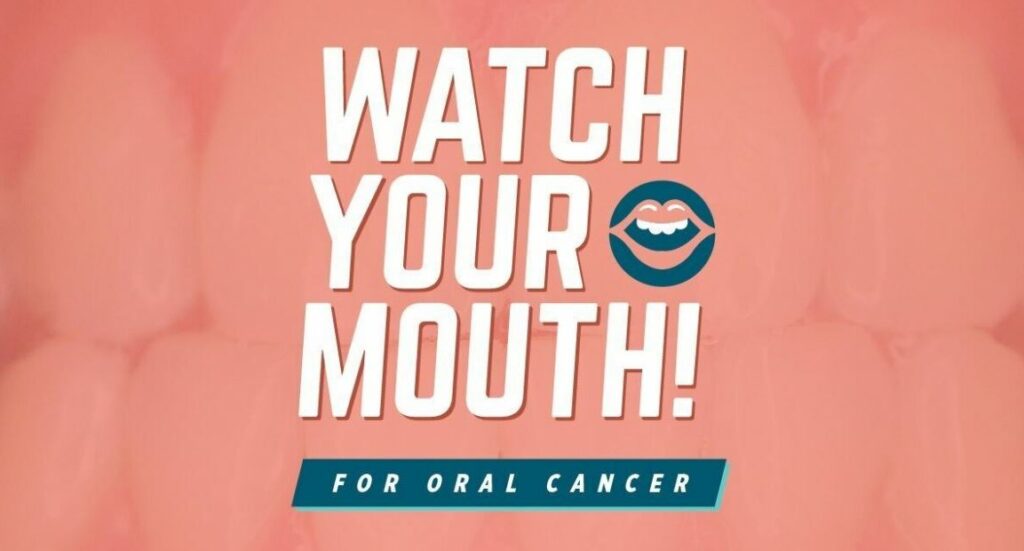
What is Life Saving Preventative Dentistry and how can it save your life? In simple terms, your dental exam can expose and help diagnose gum disease and oral cancer early. Let’s discuss.

Your Dentist is a Super Hero

You know that seeing your dentist is important and helps keep your mouth healthy and clean, but did you know that getting regular dental checkups is the most important procedure against oral cancer? Your dentist is doing a lot more than just checking up on your smile and cavities.

Dr. Skrobanek is a Super Hero. The preventative dentistry he provides can detect early signs of cancer, gum disease, and other major health problems; not to mention the little problems that can be treated. All in all, preventative dentistry could just save your life.

The Test of Time with Life Saving Preventative Dentistry

Your smile was meant to last a lifetime. That’s why it’s so important to take care of your teeth, so they can function well and last as long as they’re supposed to. Ultimately, the best thing you can do for your teeth’s durability is seeing your dentist for life saving preventative dentistry that includes regular dental exams, cleanings, and oral cancer screenings.

According to the Oral Health Foundation“Dental appointments shouldn’t just be made when you have a problem that needs to be addressed. Prevention is always better than needing a cure and there are plenty more reasons why it’s important to maintain regular visits to your local dental practice.”

Some of these reasons include:

  • Prevention of plaque, tartar, decay
  • Helps keep gum disease away
  • Checking for oral cancer and other health issues
  • Getting advice on your specific needs/oral health goals

Preventative dentistry focuses on dental care practices, good oral health, oral hygiene education, and early detection – which is what’s happening during your routine dental exam. So, your dentist may talk with you about what steps to take to avoid cavities, tooth decay, best oral health practices, and so on.

Oral Cancer Screenings

When your dentist does an oral cancer screening, they’re looking for abnormalities in the mouth tissue. This can be lumps, pimples, patches that are rough, or teeth placement changes. This is done both visually and by feeling around the mouth. Diagnosing oral cancer in its very early stages is critical because each year, over 7,500 deaths are caused by oral cancer alone.

The screening will be painless and easy, and it could be the difference of early detection or not. If something looks like it may be oral cancer, your dentist may suggest a biopsy of some tissue. Early detection can significantly increase the chances for a full recovery and can make treatment easier as well. 

Learn more from The American Dental Association about Detecting Oral Cancer Early.

Your mouth is the gateway to your entire body and its health determines your overall health. We believe that brushing and flossing daily, and regular dental exams and cleanings are key to a beautiful smile and a happy, healthy you!

Overall Checkup and The Importance of Oral Health

Oftentimes, we don’t notice some oral health problems unless they cause us pain or discomfort. Maybe we have a signs and symptoms of a problem that we never would’ve noticed until later on, when issues have progressed. 

Related Article: 11 Things Your Dentist Wants You to Do Differently

The good news is, your dentist can look for multiple signs and symptoms that show in our mouths – such as oral cancer, Crohn’s Disease, and other serious health problems. So, when you get your regular dental exam, you’re doing so much more for your overall health and wellbeing than just getting your teeth cleaned. How amazing is that?

Early diagnosis through dental exams can sometimes determine health issues such as:

  • Crohn’s Disease
  • Diabetes
  • Oral Cancer
  • Anemia
  • GERD
  • Intense stress
  • Osteoporosis
  • Dementia
  • Rheumatoid Arthritis
  • Heart Disease

As you can see, Dr. Skrobanek offers life saving preventative dentistry each time you visit his office. That’s one of the main reasons we schedule your next appointment after your dental exam and cleaning, so we can help you manage your oral health and stay healthy.

10 Easy Steps to Improve Your Smile

A healthy smile isn’t always achieved overnight, but takes a variety of methods to help create and maintain. Here are 10 easy steps you can take to help improve the appearance and health of your teeth, mouth, and gums.

  1. Brush your teeth twice a day
  2. Floss every day
  3. See your Hygienist twice each year
  4. Stop Smoking
  5. Drink plenty of water
  6. Buy a quality toothbrush
  7. Limit coffee, tea, and red wine
  8. Choose whitening products carefully
  9. Improve other health conditions
  10. Get dental treatment in a timely manner

It can take some time before you start to notice changes from whitening or improved oral hygiene. While these changes don’t come overnight, they are certainly worth the time and effort, both for the sake of your smile and your overall health. You should also have regular dental checkups and cleanings. Why? Read more about “Why it’s important to schedule your dental exam twice a year”.

A Healthy Smile Can BOOST Your Immune System

You may not realize that a healthy smile can boost your immune system and don’t forget about the importance of healthy gums! They may not seem like the star of the show, but they’re just as important as every other part of your mouth, and have to be taken care of to maintain a bright and healthy smile. Even if you take care of your teeth and don’t have any cavities to worry about, you’re not immune to gum disease. 

To learn more about Gum Disease, enjoy our blog: BOOST Your Immune System thru Oral Care and Gum Health

GPS Dental Offers Life Saving Preventative Care

That’s why our expert team at GPS Dental strives to educate our patients on healthy habits that can do more than keep your smile bright. Life saving preventative care is one of the main reasons it’s always important to see Dr. Skrobanek every 6 months for proper checkups at GPS Dental, so your he can check for all the signs of a healthy mouth. A healthy mouth, teeth and gums has all the makings for a beautiful smile!

Dr. Gary P. Skrobanek is a dental implant dentist and his experienced, friendly team at GPS Dental offer affordable family dentistry and gentle dental care in the San Antonio, TX area. Our Brooks City Base dentist office is conveniently located and offers early morning appointment times Monday through Friday to meet your needs. At GPS Dental, we provide most dental services, from family and general dentistry to dental implantssleep apneaTMJ / TMD Treatmentcosmetic dentistry and much more. We accept most dental insurance plans and offer affordable financial solutions for any budget. Call us at (210) 633-3477 to make an appointment.