



When most people think about diabetes, they think about blood sugar, diet, medication and regular visits with their physician.
Your gums probably are not the first thing that comes to mind.
But they deserve a place in the conversation.
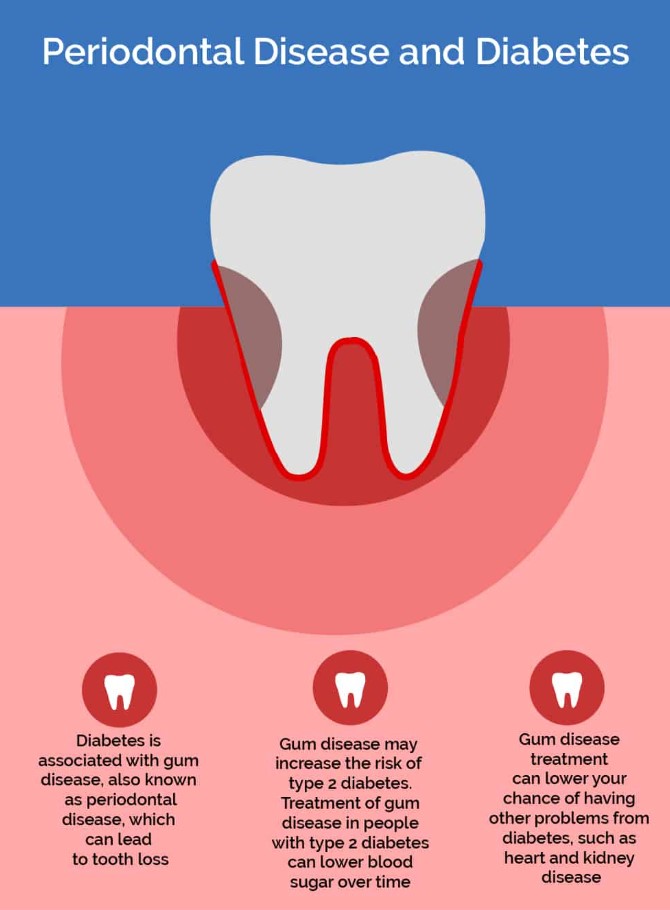
Research has shown an important relationship between diabetes and periodontal disease, commonly called gum disease. People with diabetes can have an increased risk of developing gum disease, particularly when blood sugar is not well controlled. At the same time, inflammation associated with periodontal disease may make blood sugar management more challenging.
In other words, the relationship can work in both directions.
At GPS Dental in San Antonio, we believe understanding connections like this is an important part of preventive dental care. Your mouth is not separate from the rest of your body, and protecting your oral health can be an important part of protecting your overall health.
What Is Gum Disease?
Gum disease is an infection and inflammatory condition affecting the tissues that surround and support your teeth.
It often begins with gingivitis.
When plaque accumulates around the gumline, the gums may become red, swollen or prone to bleeding. At this early stage, the condition can often be improved with professional dental care and consistent oral hygiene.
When gum disease progresses into periodontitis, however, the infection and inflammation can affect deeper supporting structures around the teeth, including bone.
Without appropriate treatment and ongoing maintenance, periodontal disease can eventually contribute to loose teeth and tooth loss.
One of the challenges is that gum disease is not always painful.
That means it can progress without the kind of obvious warning signal that sends someone running to the dentist.
What Does Diabetes Have to Do With Your Gums?
Diabetes affects the body’s ability to regulate glucose in the blood and can influence many systems throughout the body.
When blood sugar remains elevated, the body’s response to infection and its ability to heal can be affected. This can make periodontal infections more difficult to control and may increase the risk of gum disease becoming more severe.
The connection becomes particularly important for people whose diabetes is not well controlled.
But there is another side to the relationship.
Periodontal disease creates chronic inflammation in the body. That inflammatory burden may make blood glucose management more difficult in people with diabetes.
This is why researchers and health care professionals often describe diabetes and periodontal disease as having a bidirectional relationship.
Diabetes can affect gum health, and gum health may influence diabetes management.
That does not mean dental treatment replaces diabetes treatment. It does mean your dental team can be an important part of your overall health care team.
Warning Signs of Gum Disease
Because periodontal disease can progress quietly, knowing what to watch for is important.
Possible warning signs include:
- Gums that bleed when brushing or flossing
- Red, swollen or tender gums
- Persistent bad breath
- Gums pulling away from the teeth
- Teeth appearing longer because of gum recession
- Pus around the gumline
- Changes in the way your teeth fit together
- Loose or shifting teeth
If you notice any of these symptoms, schedule a dental evaluation rather than waiting to see whether the problem disappears on its own.
And remember: the absence of symptoms does not necessarily mean your gums are healthy.
That is one reason routine dental examinations are so important.
Why Professional Dental Care Matters
Brushing and flossing at home are essential, but they are only part of maintaining healthy gums.
Plaque that remains on the teeth can eventually harden into tartar, also called calculus. Once this happens, it cannot be completely removed with an ordinary toothbrush or floss.
Professional dental cleanings remove these deposits and allow your dental team to closely evaluate your gum health.
During an examination, Dr. Skrobanek may assess the tissues surrounding your teeth and look for signs of inflammation, recession or periodontal disease. When appropriate, dental X-rays can also help evaluate the bone supporting your teeth.
For patients who already have periodontal disease, a regular cleaning may not be enough. Periodontal treatment and a customized maintenance schedule may be recommended based on the severity of the condition and the patient’s individual needs.
If You Have Diabetes, Tell Your Dentist
Your dentist needs to know about your overall health — not just your teeth.
If you have diabetes, let your dental team know.
It is also helpful to provide an updated list of medications and tell us about significant changes in your health or treatment.
Why?
Because health conditions and medications can affect oral health, healing and treatment planning.
The more complete information we have, the better we can personalize your dental care.
Communication between patients, dentists and medical providers can be especially valuable when managing chronic health conditions.
What Can You Do at Home?
Fortunately, many of the habits that support good gum health are simple.
Brush thoroughly twice a day. Use a soft-bristled toothbrush and fluoride toothpaste, paying special attention to the gumline.
Clean between your teeth every day. Floss or another interdental cleaning method can reach areas your toothbrush cannot.
Manage your diabetes according to your medical provider’s recommendations. Keeping blood glucose within your recommended range supports many aspects of your health, including your mouth.
Do not smoke. Tobacco use significantly increases the risk of periodontal disease and can make treatment less successful.
Pay attention to changes. Bleeding, swelling, recession or persistent bad breath should not simply be ignored.
Keep regular dental appointments. Your recommended schedule should be based on your individual oral health and periodontal needs.
Can Treating Gum Disease Improve Diabetes?
This is an area that continues to be studied.
Research suggests that treating periodontal disease may result in modest short-term improvements in blood sugar control for some people with diabetes.
However, periodontal treatment is not a replacement for diabetes treatment, medication, nutrition, exercise or care from your physician.
The bigger message is that oral health and overall health are connected.
Managing inflammation and infection in the mouth is worthwhile for your dental health regardless — and for someone living with diabetes, healthy gums deserve particular attention.
Prevention Is Better Than Waiting for Symptoms
There is a theme we return to frequently at GPS Dental:
Do not wait until something hurts.
Gum disease is an excellent example of why.
A person can have significant periodontal inflammation without experiencing a toothache. By the time teeth become loose or painful, the disease may already have caused considerable damage to the supporting structures.
Regular examinations give us an opportunity to identify changes earlier.
And when we have cared for you over time, we have something especially valuable: your history.
We can compare today’s findings with previous examinations and X-rays, recognize changes and develop recommendations based on your mouth rather than treating every patient exactly the same.
That continuity is a major part of the relationship-focused care Dr. Skrobanek believes in.
Your Mouth Is Part of Your Body
For years, dentistry and medicine were often thought of as completely separate areas of health care.
Today, we understand more about the many ways oral and systemic health can intersect.
Diabetes and periodontal disease provide an important example.
If you have diabetes, caring for your gums should be part of your overall health routine. And even if you do not have diabetes, maintaining healthy gums can help protect your teeth for a lifetime.
Brush.
Floss.
Pay attention to changes.
Follow your physician’s recommendations for managing diabetes.
And keep your dental team informed about your health.
At GPS Dental in San Antonio, our goal is not simply to treat teeth. We want to help our patients understand their oral health, prevent problems whenever possible and maintain healthy smiles for years to come.
If you have diabetes, have noticed bleeding or swollen gums, or simply cannot remember the last time your gum health was evaluated, contact GPS Dental to schedule an appointment with Dr. Skrobanek.
Your gums may seem like a small part of your health.
But taking care of them can make a very big difference.
Dr. Gary P. Skrobanek is a dental implant dentist and his experienced, friendly team at GPS Dental offer affordable family dentistry and gentle dental care in the San Antonio, TX area. Our Brooks City Base dentist office is conveniently located and offers early morning appointment times Monday through Friday to meet your needs. At GPS Dental, we provide most dental services, from family and general dentistry to dental implants, sleep apnea, TMJ / TMD Treatment, cosmetic dentistry and much more. We accept most dental insurance plans and offer affordable financial solutions for any budget. Call us at (210) 633-3477 to make an appointment.