



Category Archives: Oral Health
Your Oral Health: Personalized Dental Care is Important
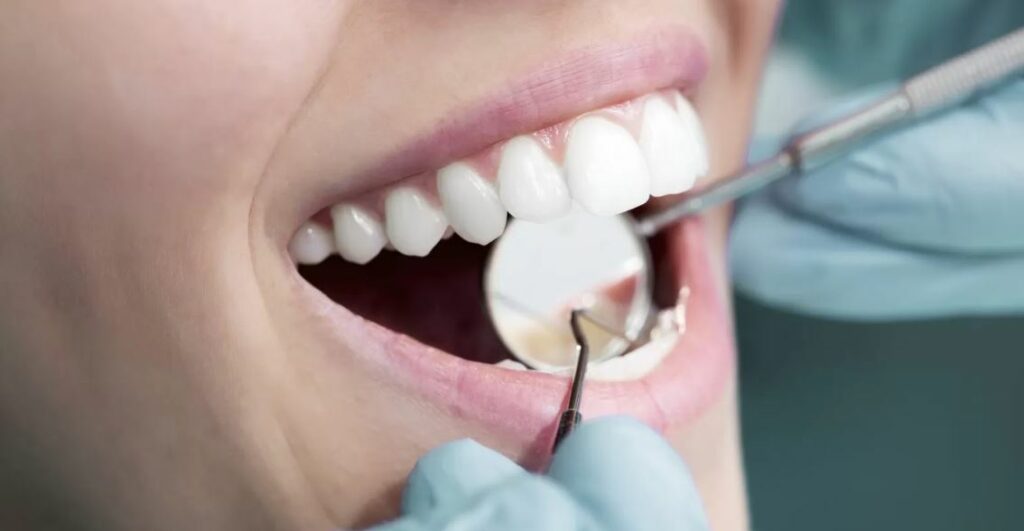
GPS Dental Offers a Personalized Approach
Why is it important to have a personalized approach to dental care instead of a cookie-cutter approach? A personalized approach to dental care is essential for several reasons, as it offers distinct advantages over a cookie-cutter or one-size-fits-all approach:
- Individualized Treatment Plans: Every patient has unique oral health needs, risk factors, and treatment goals. A personalized approach allows dentists to create customized treatment plans tailored to each patient’s specific requirements, addressing their immediate concerns while considering their long-term oral health.
- Early Detection and Prevention: Personalized dental care emphasizes preventive measures and early detection of oral health issues. Dr. Skrobanek and his team can identify potential problems and intervene before they become more severe, helping patients avoid costly and complex treatments.
- Patient Comfort and Trust: Building a strong patient-dentist relationship is fundamental to effective care. A personalized approach fosters trust and open communication, making patients feel comfortable discussing their concerns, asking questions, and actively participating in their treatment decisions.
- Optimized Treatment Outcomes: By tailoring treatment plans to individual patients, the GPS Dental Team can optimize treatment outcomes. This leads to better results, improved oral health, and greater patient satisfaction.
- Respect for Patient Preferences: Personalized care respects each patient’s preferences, including their treatment preferences, budget considerations, and any specific dental anxieties they may have. Dr. Skrobanek works in partnership with patients to make informed decisions about their care.
- Cost-Effective Care: Although personalized care may involve a detailed assessment and treatment planning, it often leads to more cost-effective care in the long run. By addressing issues early and tailoring treatments, patients can avoid more extensive and expensive interventions.
- Educational Opportunities: The GPS Team provides patients with personalized oral health education. This education is crucial for patients to understand their unique risk factors and the specific steps they need to take to maintain their oral health.
- Specialized Care: Some individuals may require specialized dental care due to medical conditions, age, or specific dental needs. A personalized approach ensures that patients receive the appropriate care and referrals to specialists when necessary.
- Adaptation to Changing Needs: Over time, a patient’s oral health needs may change. A personalized approach allows for ongoing adjustments to the treatment plan, ensuring that it remains relevant and effective.
- Prevention of Over-Treatment: In a personalized approach, the focus is on addressing only what is necessary. This helps prevent over-treatment, which can occur in a cookie-cutter model driven by financial incentives.
- Ethical Patient-Centered Care: A personalized approach is consistent with ethical principles that prioritize the best interests of the patient. This approach is integral to maintaining the ethical standards of the dental profession.
- Overall Health Considerations: A personalized approach also considers a patient’s overall health and how oral health is interconnected with systemic health. Dr. Skrobanek and his expert team can provide guidance on the links between oral health and conditions like diabetes, cardiovascular disease, and more.
In summary, a personalized approach to dental care ensures that patients receive treatments and recommendations tailored to their unique needs and preferences. This approach results in better oral health outcomes, increased patient satisfaction, and a higher standard of care that respects both the individuality of patients and ethical principles.
Related Article: Dental Health Facts: What Dentists Wish You’d Do Differently
GPS Dental is Accepting New Patients
If you’re looking for a new dental home that offers personalized dental care, Dr. Skrobanek and his Team at GPS Dental look forward to meeting you during your dental exam and cleaning. Preventative dental care and dental exams can detect signs of disease elsewhere in the body. Experts say infections inside your mouth can cause health problems in other parts of the body and signal diseases such as leukemia and diabetes. You may want to think twice before delaying your dental checkup, as you could be delaying early diagnosis.
Dr. Gary P. Skrobanek is a dental implant dentist and his experienced, friendly team at GPS Dental offer affordable family dentistry and gentle dental care in the San Antonio, TX area. Our Brooks City Base dentist office is conveniently located and offers early morning appointment times Monday through Friday to meet your needs. At GPS Dental, we provide most dental services, from family and general dentistry to dental implants, sleep apnea, TMJ / TMD Treatment, cosmetic dentistry and much more. We accept most dental insurance plans and offer affordable financial solutions for any budget. Call us at (210) 633-3477 to make an appointment.
Oral Health: Wishing You & Your Little Goblins a Cavity-Free Halloween
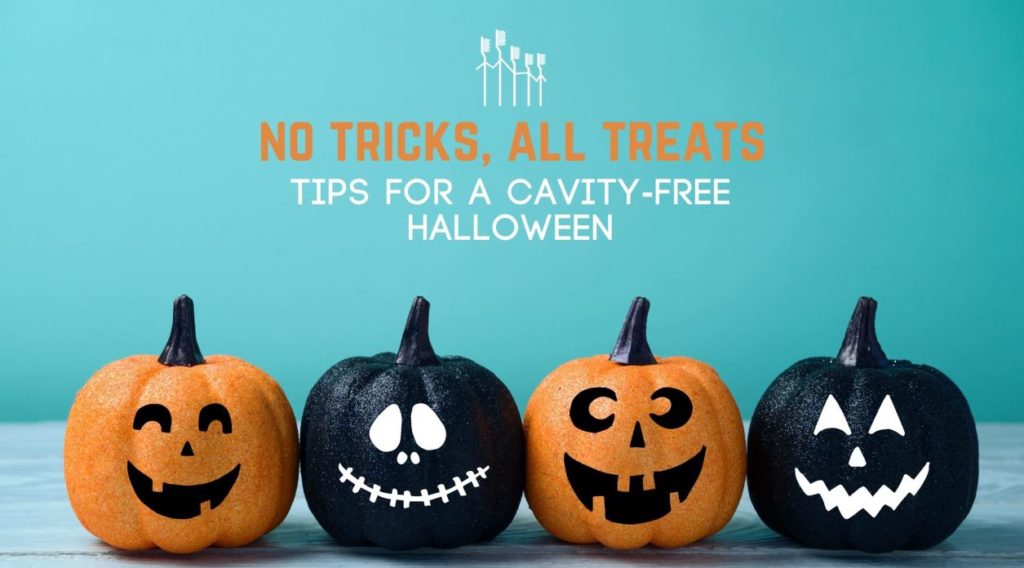
Halloween is the scariest holiday — for your teeth. During this holiday season, it might feel impossible to keep your kids (and yourself … I know it’s impossible for me to stay away from my favorites) away from the sweets. Use these tips to limit candy consumption and keep your kid’s teeth healthy and happy for a cavity-free Halloween.
Many people know that eating too much of anything is a bad idea, especially during the Halloween and Holiday Seasons! Cutting down on sugary snacks is one way to keep your pearly white smile healthy. Unfortunately, sometimes it can go sour and tooth decay can happen. Do you know how?
Your Sweet Tooth and Decay
When you eat sugar, there is a series of events that begin to happen as soon as you pop that sweet treat in your mouth; however, sugar alone does not cause tooth decay. If your teeth are not properly cleaned, the tooth enamel can begin to wear down and cavities can form.
Cavities can Develop
Your mouth is filled with hundreds of bacteria, many of which benefit the health of your teeth; however, some are harmful. These harmful bacteria feed on the sugars that are left on your teeth when they are not brushed after that sugary snack. They create acid that destroys your tooth enamel. Your tooth enamel is the shiny, outer layer that protects your teeth; if this layer becomes compromised, decay and cavities can form and leave tiny holes in your teeth. If the cavity isn’t treated properly, additional issues, such as gum disease and tooth loss can occur. See how your sweet tooth can go sour, quickly?
Preventing Cavities is Pretty Simple
- Brush your teeth regularly, especially after sweet treats and before bedtime
- Avoid sugar when possible (this includes snacks, gum and beverages)
- Eat healthy foods that are rich in fiber
- Make regular trips to visit your dentist
Have a Cavity-Free Halloween
With Halloween just around the corner, which for most children means bags of free candy and easy access to all kinds of sweets. It’s also a pretty tempting holiday for adults. Here are 5 ways everyone can stay mouth healthy during your cavity-free Halloween and every day.
Stay away from things that stick
Besides how often you snack, the length of time sugary food is in your mouth plays a role in tooth decay. Unless it is a sugar-free product, candies that stay in the mouth for a long period of time subject teeth to an increased risk for tooth decay. The stickier candies, like taffy and gummy bears, also take longer to get washed away by saliva.
Think twice before picking hard candies
Besides how often you snack, the length of time sugary food is in your mouth plays a role in developing cavities. Unless it is a sugar-free product, candies that stay in the mouth for a long period of time subject teeth to an increased risk for tooth decay.
Try and eat candy with meals
We know candy can be hard to resist, especially after all that hard work trick or treating for it! If you can, try and eat Halloween candy and other sugary foods with meals or shortly after mealtime. That’s because saliva production increases during meals and helps cancel out acids produced by bacteria in your mouth and helps rinse away food particles.
Avoid beverages with added sugar
When teeth come in frequent contact with beverages that contain sugar, the risk of tooth decay is increased. Drinking water can also help prevent tooth decay and who needs extra calories from sugary sweet drinks?!
Chew Gum that has the ADA Seal
Instead of candy, consider gum. Studies show that chewing sugarless gum for 20 minutes after meals helps reduce tooth decay, because increased saliva flow helps wash out food and neutralize the acid produced by dental plaque bacteria.
Remember, Candy Causes Tooth Decay
Here’s the recap: The outer layer of our teeth is called the enamel. It’s a resilient and shiny substance on the surface of your teeth that keeps the inner layer of your teeth, the dentin, safe from damage. But when sugars mix with bacteria in our mouths, an acidic environment leaves enamel vulnerable to harm and decay.
Remember, Not All Candy is Created Equal
What are the worst and best to give Trick-or-Treaters to preserve the health of their teeth for a cavity-free Halloween?
WORST:
- Gummies, Taffy, and Caramels: Anything containing chewy or sticky ingredients is harder to remove from teeth and can easily lead to cavities
- Hard Candy: Like chewy candy, they are hard to fully clean off of teeth
- Sour Candy: As it is highly acidic and can erode the enamel of the teeth
BEST:
- Sugar-Free Candy: While it’s less fun, you can rest assured knowing that damage won’t be done to teeth
- Sugar-Free Gum: A great way for older kids to keep breath fresh and teeth clean
- Chocolate, especially DARK Chocolate: It’s the most easily removable of all sugary candy, but remember the extra ingredients, like caramel, may cause problems!
Handy Halloween Candy Facts
With Halloween comes a ton of parties, trick or treating, and, of course, sweets. 4% of all candy consumption occurs on this spooktacular holiday. We’ve gathered up some fun facts in our “Halloween Candy Facts” below.
Consider our tricky tips below for a safe and healthy Halloween season:
- Only 4% of candy consumption occurs on the day of Halloween
- Almost 3 out of every 4 households will be handing out Halloween treats in the U.S. this year!
- Experts estimate that $3.1 Billion will be spent on Halloween candy this year
- 25% of the candy industry’s revenues come from Halloween-related sales
- The average household will spend $44 just to purchase Halloween candy
- Consumers are seeing a price increase of around 13% over their bulk candy purchases for Halloween 2021
- 76% of households serve Hershey’s Kisses at Halloween
- Candy corn is the most popular candy-related search for search engines
- 3 out of 4 households will put the purchased Halloween candy in-sight at home
- From a health standpoint, it’s actually better to eat more candy at once than spread it out during the day; because the added saliva cancels out the acids that can ruin teeth
- Many candies have more than 15 ingredients in them, with many of them being different types of sugars
- Pro Tip: Freeze It!! Chocolate can last up to 6 months in the freezer
Sorting after Trick or Treating
Many families return home with their sweet loot and start a sorting ritual. If you don’t typically do this, consider it this year. Throw out any candies or treats that aren’t properly wrapped. Recent articles are pointing more and more toward drugs being presented as candy. Protect your family by making sure anything they consume won’t hurt their mouth. Remember, if your goal is a cavity-free Halloween and your haul is excessive, consider putting some of your chocolate in the freezer. It will keep nicely for up to 6 months.
Battling Decay After All the Sweets
If you want to be sure you or your family members’ teeth don’t suffer extreme consequences for all that Halloween candy consumption, then encourage and increase these healthy oral habits even more than you already do to ensure a cavity-free Halloween:
- Be sure you are brushing your teeth for 2 minutes twice daily. Around Halloween, it might even be worth it to brush after eating the candy, or a third time midday.
- Increase flossing from 1 to 2 times daily for the week following Halloween.
- Even if you don’t normally choose to use mouthwash, doing so around Halloween and throughout the holidays is a great idea. It can keep sugars at bay and strengthen teeth with the fluoride often included in it.
- Drinking lots of water can help keep your mouth flushed out and sugars to a minimum.
- Eating healthy foods to balance out sugar intake is a wonderful way to keep blood sugar from spiking and your teeth free from decay. Munching fresh apples, carrots, celery, and other fibrous produce can actually scrub away plaque buildup and sugars in your mouth, and offer hydration that has been depleted.
- Consider scheduling teeth cleaning after Halloween or in January following all the major Holidays of the year. If any damage is done, we’ll be sure to find it and prevent it from getting any worse.
Preventing Tooth Decay:
Preventing the unhealthy aftermath of your sweet tooth is important and the best way to do that is to take proper care of your teeth and have a cavity-free Halloween. Limiting the sugar intake in treats and snacks is obvious, but when we talk to our patients, we find out that sometimes the sugars sneak up on them (and they don’t even realize it)! That’s right, gum and beverages are just as guilty at leaving their marks on your teeth. If you drink soda, it doesn’t make any difference whether it’s sugar-free or not because these drinks will leave acid on your teeth that begin to wear down the enamel too. Opting for healthy choices, like water or milk are always better options for your oral health (just make sure they’re not “flavored water”… see how sneaky??)
Brushing and flossing away the plaque (twice each day) will make it harder for a cavity to develop because you are strengthening your enamel at least twice every day. By adding regular visits to your dentist for thorough dental exams, you’re well on your way to preventing cavities and keeping your mouth healthy.
GPS Dental Wishes You a Cavity Free Halloween
With these tips, you’re sure to have a wonderful time this Halloween Weekend without compromising on the health of your mouth. We hope everyone has a safe and wonderful Cavity-Free Halloween!
Dr. Gary P. Skrobanek’s experienced and friendly team at GPS Dental offers affordable dental care for all ages in San Antonio, TX area. Our Brooks City Base dentist office is conveniently located and offers early morning appointment times Monday through Friday to meet your needs. At GPS Dental, we promote dental health awareness to our patients and provide most dental services, from family and general dentistry to dental implants, sleep apnea, TMJ / TMD Treatment, cosmetic dentistry and much more. We accept most dental insurance plans and offer affordable financial solutions for any budget. Call us at 210-633-3477 to make an appointment.
Breast Cancer Oral Health Link: Does Gum Disease Increase the Risk?
Postmenopausal Women with Gum Disease Seem to Have Higher Breast Cancer Risk
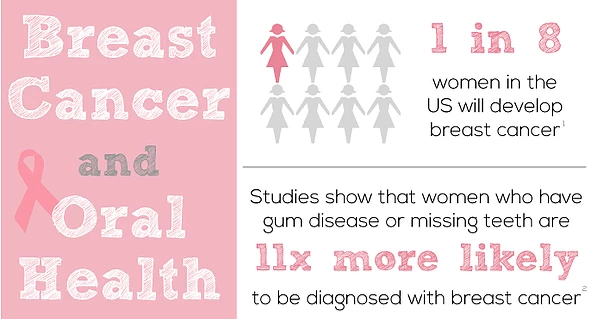
Research suggests that postmenopausal women with gum disease are more likely to develop breast cancer than postmenopausal women who don’t have gum disease. Why? Let’s discuss the breast cancer oral health link.
If a woman has a history of smoking, the risk of breast cancer may be even higher
Gum disease, also called periodontal disease, can range from simple inflammation of the gums, called gingivitis, to periodontitis, when the gums pull away from the teeth leaving open spaces that become infected. The bacteria causing the infection and the body’s response to the infection can break down the bone and connective tissue that hold your teeth in place. If periodontitis isn’t treated, the teeth may become loose and must be removed.
Gum disease can be prevented by regular tooth brushing and flossing.
Gum disease has been associated with several other diseases, including heart disease, stroke, and diabetes. Past research has found links between gum disease and oral, esophageal, head and neck, pancreatic, and lung cancer
So … are there any links between gum disease and breast cancer?
A study has found that postmenopausal women with gum disease were more likely to develop breast cancer than postmenopausal women who didn’t have gum disease.
If the women had a history of smoking, the risk of breast cancer was even higher.
The study was published online on Dec. 21, 2015 by the journal Cancer Epidemiology, Biomarkers & Prevention. Read the abstract of “Periodontal Disease and Breast Cancer: Prospective Cohort Study of Postmenopausal Women.” The research is part of the very large Women’s Health Initiative Observational Study, commonly called the WHI. The WHI is looking for links between health, diet, lifestyle, and genetic factors and health problems, such as cancer.
In this study:
- the researchers monitored 73,737 postmenopausal women in the WHI who had never been diagnosed with breast cancer.
- About 26% of the women told the researchers they had gum disease.
- After about 6.5 years, 2,124 women had been diagnosed with breast cancer.
- Overall, the risk of breast cancer was 14% higher in women who had gum disease compared to women who didn’t have gum disease.
- So, if average breast cancer risk is about 12%, a woman with gum disease had about a 13.5% risk of breast cancer.
“We thought that periodontal bacteria — either the bacteria themselves or the inflammation that’s part of having periodontal disease — has an effect on other parts of the body, including breast tissue. We know there are bacteria in breast tissue, and we know there are bacteria in mother’s milk. Women who had periodontal disease had a small increase in the risk of breast cancer overall,”
said Jo Freudenheim, Ph.D., distinguished professor of epidemiology and environmental health at the University of Buffalo and lead author of the study.
Does Smoking Have an Effect?
Because earlier studies have shown that the effects of gum disease can be more severe if a person smokes, the researchers also grouped the women by smoking history:
- Among women who had quit smoking within the last 20 years, women with gum disease had a 36% higher risk of breast cancer than women who didn’t have gum disease.
- Among women who had never smoked, women with gum disease had a 6% higher risk of breast cancer than women who didn’t have gum disease.
- Among women who had quit smoking more than 20 years ago, women with gum disease had an 8% higher risk of breast cancer than women who didn’t have gum disease.
“There’s been an explosion of information recently that makes it clear that many different parts of the body that were thought to be sterile contain bacteria and other microbes,” Dr. Freudenheim said. “These bacteria may influence diseases that were previously thought to have no infectious component.”
Gum Disease and Breast Cancer
The researchers said there are several possible reasons for the association between gum disease and breast cancer:
Bacteria in the mouth can get into the bloodstream through tooth brushing, flossing, and chewing. Even though the bacteria are cleared out of the body quickly, the cumulative exposure to tissues can be considerable. It could be that these bacteria affect breast cancer.
Inflammation in one part of the body, such as the gums, may have an impact on other diseases.
Other Factors Increase the Risk
There may be other factors that increase the risk of both gum disease and breast cancer.
“This is a new area, so we have to be careful in how we interpret our findings,” said Dr. Freudenheim. “We can’t say, ‘if you treat periodontal disease it will reduce cancer risk.’ There are new methodologies that allow us to measure things we weren’t able to before. We are now beginning to understand how much the interaction of the microbiome affects our health both in terms of acute infections and chronic diseases.”
Decrease Your Risk for Breast Cancer
Now that you know of the breast cancer oral health link. Doing all that you can do to keep your breast cancer risk as low as it can be makes good sense.
Here are steps you can take to control several risk factors:
- exercising regularly
- eating a healthy diet
- maintaining a healthy weight
- not smoking
- avoiding alcohol
- taking good care of your teeth and gums
Decrease Your Risk for Gum Disease
Decreasing your risk is important because we know about the breast cancer oral health link, where gum disease increases breast cancer risk. According to the Centers for Disease Control, gum disease can be kept in check by:
- Brushing and flossing your teeth every day to remove the bacteria that cause gum disease
- Seeing a dentist at least once a year for a checkup, or more frequently if you have any of the warning signs of gum disease:
- red/swollen gums
- tender/bleeding gums
- loose teeth
- bad breath or a bad taste in the mouth that won’t go way
- gums that have pulled away from your teeth
- sensitive teeth
Learn more: Avoid Gum Disease: What You Need to Know
Making a Difference One Dental Exam at a Time
Now you understand why keeping your gums healthy is such an important task – the breast cancer oral health link where gum disease increases breast cancer risk! AND you know what to do to help keep you and your smile in the best possible health and avoid Gum Disease. Why almost half of Americans suffer some form of gum disease, why wait??
Regular dental exams and cleaning is wonderful preventative care. Although you may be brushing and flossing really well at home, tartar and plaque is impossible to remove with regular brushing and flossing, and can build-up over time. Dentists are able to use specific tools to remove that plaque and tartar, keeping our mouth cleaner and our chances of other complications much lower.
When almost half of Americans suffer some form of gum disease, why wait?
Now you understand why keeping your gums healthy is such an important task – they keep your teeth in place! AND you know what to do to help keep you and your smile in the best possible health and avoid Gum Disease.
At GPS Dental, we take your oral health seriously and want to help you avoid gum disease by checking your oral health and every scheduled cleaning. We are also happy to answer any gum disease questions you have. Take the time to be extra diligent in your normal oral health routine to reduce your risk for gum disease.
If you have questions or concerns about your gum health, please give us a call, Dr. Skrobanek and his experienced team at GPS Dental in San Antonio will be happy to schedule your dental appointment and help you keep your gums, teeth and mouth healthy. Please call our office at 210-633-3477 to schedule your dental appointment.
Dr. Gary P. Skrobanek’s experienced and friendly team at GPS Dental offers affordable dental care for all ages in San Antonio, TX area. Our Brooks City Base dentist office is conveniently located and offers early morning appointment times Monday through Friday to meet your needs. At GPS Dental, we promote dental health awareness to our patients and provide most dental services, from family and general dentistry to dental implants, sleep apnea, TMJ / TMD Treatment, cosmetic dentistry and much more. We accept most dental insurance plans and offer affordable financial solutions for any budget. Call us at 210-633-3477 to make an appointment.
The information in this blog has been provided by Breastcancer.org. For more information on breast cancer risk and other steps you can take to minimize your risk, visit the Breastcancer.org Lower Your Risk section.
Avoid Gum Disease: What You Need to Know
You may not have heard of Periodontal Disease, if you visit your dentist regularly and you haven’t – that’s probably a good sign! Poor dental hygiene can lead to problems that are more severe than the average cavity or case of bad breath. Periodontal Disease is also known as Gum Disease and almost 50% of adults have some form it.
Gum disease is most commonly the result of poor dental hygiene and is the inflammation of the tissue around the teeth, according to www.medicinenet.com. Here’s the scary part – if left untreated, it can lead to even more serious problems, ranging from tooth loss to heart disease. Knowing the signs, symptoms, and treatment for various stages of gum disease can set you on a proactive path to avoid gum disease and a disappointing trip to the dentist.
Signs & Symptoms of Gum Disease
Do your gums bleed when you brush your teeth? If so, you can assume your gums are sick. Symptoms are key … if you are experiencing ANY gum bleeding, notice any gum pain or mouth sores, and/or pick up on a sour taste in your mouth, do not hesitate – it’s time to schedule a visit to your dentist! Remember, you can avoid gum disease and even reverse the early stages of Gum Disease, but the only way to keep Gingivitis from progressing into Periodontal Disease and other problems is dental treatment.
Someone with gum disease may have the following symptoms/signs:
- White spots on the gums
- Gums that are pulling away from the teeth or receding gums
- Painful to chew
- Sensitive teeth and gums
- Loose teeth
- Bright red, swollen, tender gums
- Gums that bleed easily – even during normal daily cleaning
- You may have a bad taste in your mouth or bad breath
- Uneven bite
- Ill-fitting dentures
If you are unsure if your symptoms are caused by gum disease, consult your dentist for clarification and make sure to stay on top of regular scheduled professional dental cleanings to reduce your risks.
Related Article: The Dangers of Gum Disease
Stages of Gum Disease
- Early Stage: Gingivitis – this early stage of gum disease is characterized by the inflammation of the gums and is usually caused by an abundance of tartar or plaque in the mouth. Often, swollen gums bleed easily when brushing or flossing and this beginning stage of the disease is a warning sign to a more serious condition, Periodontitis.
- Progressed Stage: Periodontitis – If Gingivitis progresses, plaque will extend from the gums to the bone. Once the bone gets the infection, they can form deep gum pockets and collect even more bacteria and plaque and can lead to bone loss or even tooth loss. However, there are different forms of Periodontitis and it is more serious than it may seem at first.
- Aggressive Periodontitis:
- rapid gum recession
- occurring during a period of growth in young people
- due to vitamin depletion, not bacteria
- Chronic Periodontitis:
- periods of rapid progression and then periods of remission
- can happen on its own or in response to dental treatment
- Aggressive Periodontitis:
Periodontal disease starts with a sticky film of plaque bacteria that forms on your teeth, just like tooth decay (when you’re getting a cavity). If plaque is not removed, it will collect around your gum line and they’ll become inflamed and irritated. This early stage of gum disease is called Gingivitis. The good news is that you can avoid gum disease and it can be reversed easily with consistent and thorough brushing and flossing.
However, if it is not removed regularly, this plaque will harden into tartar. Your gums become increasingly red, swollen, and inflamed as tartar builds up around the gum line and they will eventually pull away from the tooth, forming a loose pocket. As more bacteria and tarter accumulate in these “pockets”, the destructive toxins begin to infect and destroy the gums, bone and ligaments that support your teeth. This advanced phase of Gum Disease is called Periodontitis, or Periodontal Disease. If left untreated, periodontal disease can lead to tooth loss, because the gums can no longer hold your teeth in place.
Tooth Loss Statistics
Here are a few staggering statistics we’d like to share with you:
- Missing 1 tooth: the average person age 20-39
- Missing 3+ teeth: the average 40-49-year old
- Missing 8 teeth: the average 60+ person
We know what you’re thinking … I had my 4 wisdom teeth pulled!! No wonder these numbers are so high!!
Bad News: These statistics do NOT include wisdom teeth that have been removed AND this tooth loss is typically caused by gum disease. Now you understand why it’s our goal to help you AVOID Gum Disease!
Related Article: Tooth Replacement: Are You a Dental Implant Candidate?
Prevention Methods and Treatment
Gum disease is extremely common among adults, but the good news is that it can be easily prevented with good, daily dental care. Hygiene within your mouth is linked to your overall wellbeing, so the importance of preventing gum disease is high. You can avoid gum disease by simply brushing and flossing daily, as well as getting regular professional cleanings from your dentist are all it takes to heavily reduce your risk for gum disease.
However, if gum disease is found, usually the treatment method is simple and your dentist will usually recommend upping your normal hygiene routine at home; making sure you are following the recommended daily guidelines. If Periodontitis is found, a deeper cleaning may be needed to remove the high levels of plaque and bacteria that has infiltrated your gums and bone. This treatment is often called Scaling or Root Planing.
Related Article: Gum Disease Treatments by WebMD
Gum Disease Can Affect More Than Your Smile
Cosmetic: It’s a well-known fact that people with a healthy smile tend to look younger. However, Periodontitis affects much more than the aesthetic look of your pearly white smile and is important for more than cosmetic reasons.
Function: It’s also easy to understand that it’s easier to talk and chew when your teeth are functional and it’s less costly to keep all of your own teeth.
Overall Health: Gum disease is also a systemic disease that is related to the body’s reaction to bacteria that can have far-reaching effects on your overall health. By completely avoiding periodontal disease or treating it, you’re helping to protect your body from other systemic inflammatory conditions, such as heart disease, diabetes, and autoimmune conditions. As well as, osteoporosis, respiratory disease, and cancer.
Gum Disease and Stress: You may think about stress being a factor behind many health problems, but the truth is, stress can also have a negative effect on your oral health as well. Stress can make it harder for our bodies to fight viruses and other harmful bacteria in the body, leaving you more vulnerable to infections. This means that if you’re dealing with gum disease, your body will have a harder time dealing with it and healing.
Teeth grinding, gum disease, and bruxism can all be results from too much stress in your life. Also, if stress is causing you to grind your teeth, smoke cigarettes, or clench your jaw, then it could contribute to gum disease as well. Stress can also make us forget to brush and floss as often as needed, so remember to stay on top of your oral health and self-care routines at home.
Related Article: Mental Health Awareness: There is an Oral and Mental Health Link
What do Healthy Gums Look Like?
Healthy gums are pink, firm, and they do not bleed.
Avoid gum disease by keeping your gums firm, pink and healthy isn’t difficult, but it does require consistent healthy oral care habits. Your main focus is to always keep the harmful oral bacteria to a minimum!
Daily Tips & Tricks for Healthy Gums:
- Use a soft-bristled toothbrush and fluoride toothpaste to brush thoroughly at least twice a day.
- Replace toothbrushes every 3 months; frayed bristles don’t clean as well (and old toothbrushes can store bacteria).
- Flossing once a day is a must.
- Rinse with an antimicrobial mouthwash to reduce bacteria in the mouth.
- Fight dry mouth by sipping water throughout the day, chew sugarless gum or suck on sugarless lozenges. Dry mouth creates an environment where bacteria can thrive. Numerous medications and certain illnesses can cause dry mouth.
- Schedule routine dental appointments every 6 months that include a professional cleaning.
- Stop Smoking! Tobacco, of any kind, increases the risk of gum disease and makes it harder for gums to heal.
- DO NOT VAPE! Vaping is not an alternative, even if you’re not using nicotine.
- If you are Diabetic, you need to be diligent about keeping your diabetes under control, since high sugar levels can increase your risk for gum disease.
- Opt for healthy snacks. Healthy foods can help lower the risk of gum disease. Bacteria love sugar, so as an alternative, consume water, milk, yogurts, apples, and other healthy options.
If you have children, take this opportunity to review their dental care routines and emphasize the importance of daily tooth care. A clean mouth can´t get sick!
Related Article: Boost Your Immune System through Oral Care and Gum Health
When almost half of Americans suffer some form of gum disease, why wait?
Now you understand why keeping your gums healthy is such an important task – they keep your teeth in place! AND you know what to do to help keep you and your smile in the best possible health and avoid Gum Disease.
At GPS Dental, we take your oral health seriously and want to help you avoid gum disease by checking your oral health and every scheduled cleaning. We are also happy to answer any gum disease questions you have. Take the time to be extra diligent in your normal oral health routine to reduce your risk for gum disease.
If you have questions or concerns about your gum health, please give us a call, Dr. Skrobanek and his experienced team at GPS Dental in San Antonio will be happy to schedule your dental appointment and help you keep your gums, teeth and mouth healthy. Please call our office at 210-633-3477 to schedule your dental appointment.
Dr. Gary P. Skrobanek’s experienced and friendly team at GPS Dental offers affordable dental care for all ages in San Antonio, TX area. Our Brooks City Base dentist office is conveniently located and offers early morning appointment times Monday through Friday to meet your needs. At GPS Dental, we promote dental health awareness to our patients and provide most dental services, from family and general dentistry to dental implants, sleep apnea, TMJ / TMD Treatment, cosmetic dentistry and much more. We accept most dental insurance plans and offer affordable financial solutions for any budget. Call us at 210-633-3477 to make an appointment.
Oral Health: Coping Methods for Easing Dental Anxiety

Easing Dental Anxiety
If you’ve ever dealt with nerves, the jitters, or anxiety about visiting your dentist, know that you are not alone … let’s talk about easing dental anxiety.
According to article, Why Are People Afraid of the Dentist? Observations and Explanations,
“Dental anxiety, or dental fear, is estimated to affect approximately 36% of the population, with a further 12% suffering from extreme dental fear. This anxiety can have serious repercussions in terms of an individual’s oral health, and it is considered to be a significant barrier to dental attendance resulting in poor attendance.”
Read More:
- Do You Suffer from Dental Anxiety? Seven Tips to Ease Your Anxiety
- Why are people afraid of the dentist?
Downside of Avoiding Dental Offices
Seeing your dentist for routine checkups and maintenance is too important to your health and wellbeing to skip. When you don’t see your dentist, you’re at a much higher risk for:
- Cavities
- Bad breath
- Tooth loss
- Infection
- Gum disease
- Discolored teeth
- Plaque and tartar
More Tips from the American Dental Association: Coping with Dental Anxiety
Easing Dental Anxiety: Tips and Tricks
Rather than postponing or cancelling visits, let’s look at some of the coping mechanisms for dental anxiety.
Related Article: Easing Dental Anxiety: Coping Methods Can Help
Psychological Coping Mechanisms
- Meditation
- Deep breathing
- Guided imagery – visualizing happy thoughts, nostalgic thoughts
- Distraction (tv, music, stress ball, etc.)
- Using a weighted blanket
Bring a Friend
Ask your dentist if a relative or a friend can accompany you to your dental appointment. Having a familiar person nearby may calm nerves and make you feel safe.
Medication
In some cases, medication may help with dental anxiety. Analgesia is an over-the-counter medication that are sometimes used to reduce pain and anxiety, or sometimes, dentists will use laughing gas to ease anxiety.
Make Sure to Speak Up
Let our dental office know beforehand that you experience dental anxiety. It can make a world of difference if Dr. Skrobanek and his Team are aware of your anxiety and can be prepared prior to your appointment. You can also agree on a signal with Dr. Skrobanek if you ever need to take a break. Don’t be afraid to ask questions, sometimes knowing exactly what will happen, and when, can alleviate some nerves.
A Few More Tips
- Avoid caffeine and sugar before any appointments – these can make you jittery and more anxious. Instead, eat a high protein snack or meal.
- Choose an appointment time that is the least stressful for you.
- Arrive on time for your appointment – try not to arrive too soon.
Easing Dental Anxiety at GPS Dental
The mouth is a great window to the rest of your body, so when you visit us at GPS Dental, we can take a peek into your overall health during your regular dental cleanings and exams. This could save you money, time, and protect your health down the road. Learn how HERE.
When your Dr. Skrobanek catches a problem early, there’s a much better chance of figuring out what’s going on and treating it early, with a higher success rate. Oftentimes, dentists can detect warning signs before we experience any symptoms. Actually, oral health is an easy way to boost your immune system, learn more HERE.
Luckily, when depression or anxiety takes a toll on oral health, there are ways to fight back. The simplest step in easing your dental anxiety that you can take is to maintain your oral health by brushing twice a day, flossing daily and scheduling regular dental appointments with Dr. Skrobanek and his team at GPS Dental. Keeping up these basic oral health habits can go a long way to keeping your mouth in tip-top shape.
Dr. Gary P. Skrobanek and his experienced, friendly team at GPS Dental offer affordable family dentistry and gentle dental care in the San Antonio, TX area. Our Brooks City Base dentist office is conveniently located and offers early morning appointment times Monday through Friday to meet your needs. At GPS Dental, we provide most dental services, from family and general dentistry to dental implants, sleep apnea, TMJ / TMD Treatment, cosmetic dentistry and much more. We accept most dental insurance plans and offer affordable financial solutions for any budget. Call us at (210) 633-3477 to make an appointment.
Staying Hydrated is beneficial to your Oral Health and Your Body

You’ve probably heard that drinking water can help clear up your skin, keep your body healthy, rejuvenate your muscles, get rid of waste, etc. There are so many benefits to staying hydrated and many of them are widely known. Essentially, there’s no better drink than water, and it makes sense with our bodies being 60% water. What sometimes isn’t known is how great drinking water is for your oral health. A simple and easy way to help keep your teeth healthy and strong is to drink more water!
Learn more about The Best Beverage
Related Article: Children’s Dental Health: Why is Drinking Water Important?
Staying Hydrated: The 4 Major Oral Health Benefits of Drinking Water
- Strengthens Teeth. In the United States, fluoride is added to our water and it’s a huge contributor to your oral health. Fluoride is often known nature’s cavity fighter and that’s exactly what is does for us when you drink water with fluoride. It blends with your teeth’s enamel and can even prevent tooth decay and plaque.
- Cleans and Keeps Your Mouth Clean. When you drink something after you consume food, it helps to wash away leftover food in your mouth, and water is the best option for this. When you consume drinks filled with sugar, your tooth enamel suffers and gets worn down due to a build-up of bacteria from all the sugar. With water, there’s no sugar involved, and it can wash down the food you eat, dilute the acid in your mouth, and also clean up any debris in your mouth so bacteria have less to cling to. That fluoride we talked about earlier will also coat your teeth and defend your teeth against any harmful acids. Watch this quick video: Drinking Water for Good Oral Health
- Keeps Dry Mouth Away. Surprisingly, tooth decay loves a dry mouth and this is because saliva is our biggest defender against tooth decay (which makes staying hydrated even more important). So, when your mouth is dry, you’re fighting against more and more bacteria. Drinking water helps keep the dry mouth away by creating more saliva in your mouth.
- Fights Bad Breath. You might think that a swish of mouthwash is the only way to curb a case of bad breath, but water comes to the rescue again. In the morning, we’re essentially dealing with dry mouth after sleeping for hours, and our bad breath is a result of that. Bacteria has been working hard overnight to give us bad breath, and drinking water when we wake up can help with the dreaded morning breath smell, and, of course, contribute to good oral health.
Related Article: Buy a New Toothbrush for the Sake of Your Oral Health
The reasons to drink water are plenty, and knowing how big of an effect water can have on our oral health makes it even more imperative to staying hydrated by drinking water every day.
GPS Dental Wants You to Have a Healthy Smiles
As you know, it’s important for everyone to have a solid foundation of oral health habits. Not only does that include brushing and flossing daily, but also having healthy habits — including drinking water! Why is drinking water important for you and your family? I hope we answered that question in this blog. Dr. Skrobanek and his Team love to talk about dental health and look forward to answering any of your questions during your next dental appointment.
Dr. Gary P. Skrobanek’s experienced and friendly team at GPS Dental offers affordable dental care for all ages in San Antonio, TX area. Our Brooks City Base dentist office is conveniently located and offers early morning appointment times Monday through Friday to meet your needs. At GPS Dental, we promote dental health awareness to our patients and provide most dental services, from family and general dentistry to dental implants, sleep apnea, TMJ / TMD Treatment, cosmetic dentistry and much more. We accept most dental insurance plans and offer affordable financial solutions for any budget. Call us at 210-633-3477 to make an appointment.
Mental Health Awareness: There is an Oral and Mental Health Link
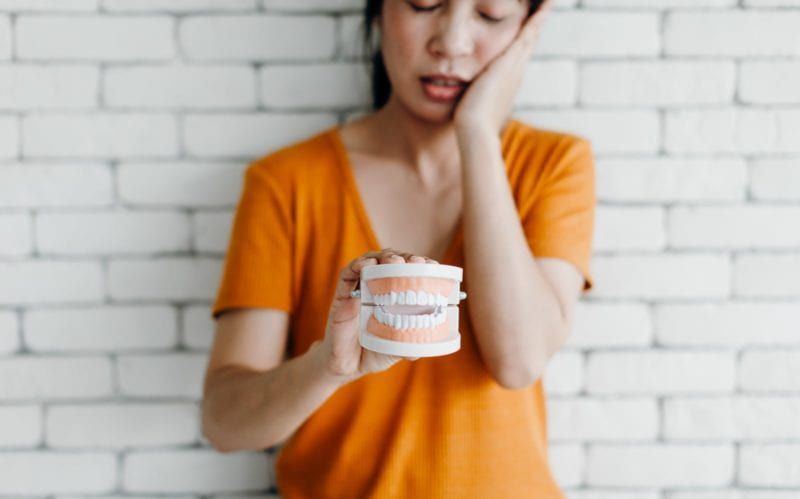
Oral and Mental Health Link
When you’re brushing your teeth every night before bed, you’re probably not thinking about how your oral health can affect your overall wellbeing and mental health. It seems like a big leap to take when relating your teeth to your mental health, but studies show that oral and mental health link is real.
Susan Albers, PsyD, psychologist for Cleveland Clinic, says that “Mental health impacts your overall health, including your oral health or the health of your teeth and your gums. Dentists are sometimes the first professional to identify and diagnose a mental health issue and they make a lot of referrals to counselors and therapists.”
Related Article: A Deep Dive into the Connections Between Oral and Behavioral Health
Anxiety, Stress Contribute to Your Oral Health
If you’re experiencing stress in your daily life, you could be clenching or grinding your teeth without even knowing. This can cause pain, dental wear, and facial pain. If you’re busy and struggling to juggle your schedule, you may be missing your morning or evening tooth brushing, flossing, etc. When our mental health is struggling, how well we take care of ourselves can certainly struggle as well.
- Anxiety can give us dental anxiety, meaning we’re scared to visit the dentist and may avoid doing so.
- Depression or low energy levels can leave us unmotivated and we may forget to take care of our teeth and gums.
- Depression and anxiety can increase our pain levels and may make us worried about getting any dental work done.
Over time, neglecting our oral health can lead to issues such as:
- Gum disease
- Dry mouth
- Tooth loss
Related Article: Are You Clenching or Grinding Your Teeth While You Sleep?
According to Steve Kisley, MD, PhD, “A strong interaction exists between oral health and mental health. People with mental illness, particularly severe mental illness, are at greater risk of oral health problems because of poor nutrition and oral hygiene; the heavy consumption of sugary drinks; comorbid substance misuse including tobacco, alcohol, or psychostimulants; and financial or other barriers to accessing dental care.”
Read more of Kisley’s study HERE.
Do You Have Stressed Out Oral Health?
You may think about stress being a factor behind many health problems, but now that we know the truth is, stress can also have a negative effect on your oral health as well due to the oral and mental health link.
There are six main ways that stress can affect your oral health, including:
- Teeth Grinding: If you grind your teeth, you probably do it while you sleep that can cause headaches, a sore jaw, and damage to your teeth. Severe teeth grinding can cause oral health issues, such as loose teeth or even broken or lost teeth. Stress and anxiety are a major cause of teeth grinding. Meditation, counseling and exercise are some ways to reduce the stress that causes teeth grinding. Your dentist can also make you a tooth guard to wear at night.
- TMJ Disorder: TMJ stands for temporomandibular joints. These are the joints that you use to move your lower jaw. They are located just below your ear. Swelling or stiffness in these joints can cause a TMJ disorder. Symptoms can include pain, clicking and popping. Stress is a major cause of TMJ problems. For instance, stress can cause you to clench your jaw and grind your teeth.
- Gum Disease: Stress makes it harder for your body to fight off infections. Gum disease is an infection of your gums that can cause loose teeth, bleeding gums, and bad breath. Stress can also contribute to gum disease if it causes you to grind your teeth, clench your jaw, or smoke cigarettes.
- Canker Sores: If you are like most people, you have suffered through occasional attacks of these painful and annoying mouth ulcers. Triggers include vitamin B deficiency and any type of mouth injury or irritation. Several studies now show that stress is another big trigger for canker sores. If you still get a canker, your doctor or dentist may prescribe a gel or cream to relieve the pain.
- Biting Your Nails: Nail biting can move your teeth out of position. It can also damage your teeth. The germs from your fingernails can be transferred to your mouth and can lead to mouth infections.
- Burning Mouth: Burning mouth syndrome is a dry, hot and burning feeling in your mouth. Stress, anxiety and depression may be part of the problem. Dry mouth syndrome is more common in women after menopause, so hormone changes may also be involved. Treatment for dry mouth syndrome can include stress counseling and antidepressant medication. Stress-related smoking and drinking can make burning mouth worse.
Each of these issues can be results from too much stress in your life. However, there are steps you can take to keep your mouth healthy, so you don’t have stressed out oral health!
Related Article: Daily Stress: The Mental Health Dental Health Link
Healthy Mind, Healthy Smile
To help our oral health and in turn, our mental health, here are a few tips!
- Eat a well-balanced diet
- Brush your teeth twice a day with a quality toothbrush
- Floss your teeth daily
- Visit your dentist regularly – they are often our first line of defense
- Try adding in exercise and relaxation into your weekly routine
- Seek help from a health care professional if you’re concerned about your mental health
Related Article from WebMD: How Does Your Oral Health Affect Your Mental Health?
Solution for Grinding Your Teeth – Mouthguard
Dr. Skrobanek can help prevent cracked and fractured teeth by designing a mouthguard or oral appliance to wear at night to keep you from clenching and grinding your teeth. We know there’s a dental health mental health link and thankfully, mouthguards are a wonderful way to protect your teeth at night. They can also help with sleep apnea and snoring. Each mouthguard will be custom-made by Dr. Skrobanek to fit your mouth comfortably and will keep your teeth separated so they don’t grind together.
There’s more good news: Custom mouthguards or oral appliance therapy is covered by many insurance plans and the team at GPS Dental can help answer any questions you may have about your coverage.
Related Articles:
GPS Dental Wants You to be Healthy
As you know, the oral and mental health link is so important; however, when your body is stressed, it can lead to having stressed out oral health! A solid foundation that includes brushing and flossing daily is key for you and your family. Dr. Skrobanek and his Team can help you maintain or improve your oral health, because they can assess your situation and customize a treatment plan at whatever stage you find yourself.
It’s also important to stay up to date on your cleanings and routine visits to your dentist. In the meantime, having a strong and steady oral health routine – brushing twice a day and flossing once – is the best thing you can do for your oral health! Remember to schedule your dental exam and cleaning at GPS Dental. We look forward to seeing you at your next dental appointment.
Dr. Gary P. Skrobanek and his experienced, friendly team at GPS Dental offer affordable family dentistry and gentle dental care in the San Antonio, TX area. Our Brooks City Base dentist office is conveniently located and offers early morning appointment times Monday through Friday to meet your needs. At GPS Dental, we provide most dental services, from family and general dentistry to dental implants, sleep apnea, TMJ / TMD Treatment, cosmetic dentistry and much more. We accept most dental insurance plans and offer affordable financial solutions for any budget. Call us at (210) 633-3477 to make an appointment.
Thyroid Disease: Link Between Hashimoto’s and Gum Disease
Link between thyroid disease, Hashimotos, and Gum Disease
You may have heard the common phrase, “all disease starts in the gut.” A phrase that was coined over 2,000 years ago, which has been attributed to Hippocrates, the Greek founder of medicine. While that phrase is true, it’s also true that the mouth is often the window to the entire body. Meaning that if something isn’t right in your system, it’ll show signs in your mouth.
This means that your mouth is connected to more than just your teeth or even your gut – it’s connected to your thyroid, liver, kidneys, and all other parts of your body. In the past few years, the scientific community has determined the link between thyroid disease, and Hashimoto’s, with gum disease. According to Dr. Izabella Wentz, a doctor of pharmacy, “the same bacteria that contribute to gum disease or periodontitis produce an inflammatory response associated with Hashimoto’s thyroiditis—the underlying cause of hypothyroidism.”
Learn more from Dr. Wentz: Periodontitis, a Trigger for Hashimoto’s?
Gum Disease/Periodontitis
Gum disease, also known as periodontitis, happens when your gums become inflamed from bacteria in the mouth. This can lead to:
- Loose teeth
- Receding gum line
- Bone loss in the jaw
- Tooth loss
Gum disease is common and effects up to half of Americans over the age of 30, according to the Centers for Disease Control. If you’re seeing blood when brushing or flossing your teeth, it could be the first sign of gum disease, so it’s important to stay on top of your oral health routine and to see your dentist regularly for checkups and cleanings. So, what’s the link between Hashimoto’s and gum disease? The proof is in the bacteria.
Case Study:
Please read the below clinical case report of Hashimoto’s thyroiditis and its impact on the treatment of chronic periodontitis (link below):
Linking Bacteria to Thyroid Disease and Hashimoto’s
According to Dr. Wentz, the link is in molecular mimicry. While that may sound confusing, let’s break down the basics of it all:
- The bacteria in our mouth, which is causing gum disease, is also causing inflammation in the rest of our body.
- People with Hashimoto’s often have gum disease. When they experience flare-ups in their disease, they also experience flare-ups in their gums – showing a connection.
“Molecular mimicry is an autoimmune theory suggesting that bacterial cells or other proteins (such as food proteins) have a similar appearance to the cells that make up parts of the human body, or “self-antigens.”, says Dr. Mentz.
So, when bacteria are around, our body is not only attacking the bacteria, but also parts of our body that have similar proteins. Meaning our body could be attacking the bacteria in our gums, and also the proteins in our thyroid.
The relationship from the National Library of Medicine: Relationship between hypothyroidism and periodontitis: A scoping review
Gum Disease is linked to other diseases. Learn more:
- Dental Health Awareness: Gum Disease and Heart Disease
- Whole Body Health: Oral Care Impacts Heart Disease and Diabetes
- Oral Bacteria: Are Healthy Teeth Just About a Pretty Smile?
- Gum Disease: Can a Simple Cavity Turn into Gum Disease?
- Why is it Important to Schedule Your Dental Exam Twice a Year?
Protect Your Thyroid and Your Mouth
The evidence for good dental hygiene is stronger than ever. Regular brushing and flossing are essential for not only good oral health, but good overall health. The thyroid can have huge impacts on all aspects of your body, and your mouth could very well be impacted through gum disease. If you’re concerned about signs of thyroid or Hashimoto’s, speak with your doctor about testing your thyroid.
GPS Dental Offers Help
Now that you understand a little more about the link between Hashimoto’s and Gum Disease, GPS Dental can help. At GPS Dental, we offer treatment for our patients with Gum Disease with thorough dental cleanings that you may not find through other dental offices. Call 210-633-3477 to schedule your dental exam and cleaning, remember it can lead to early detection and diagnosis of disease. Make sure to mention any changes in your health, new medications, and especially if you are seeing blood after brushing or flossing your teeth.
Dr. Skrobanek and his team at GPS Dental are accepting new patients and look forward to meeting you and your family.
Dr. Gary P. Skrobanek is a dental implant dentist and his experienced, friendly team at GPS Dental offer affordable family dentistry and gentle dental care in the San Antonio, TX area. Our Brooks City Base dentist office is conveniently located and offers early morning appointment times Monday through Friday to meet your needs. At GPS Dental, we provide most dental services, from family and general dentistry to dental implants, sleep apnea, TMJ / TMD Treatment, cosmetic dentistry and much more. We accept most dental insurance plans and offer affordable financial solutions for any budget. Call us at (210) 633-3477 to make an appointment.
Dental Health for Children: Dental Sealants Can Protect From Cavities
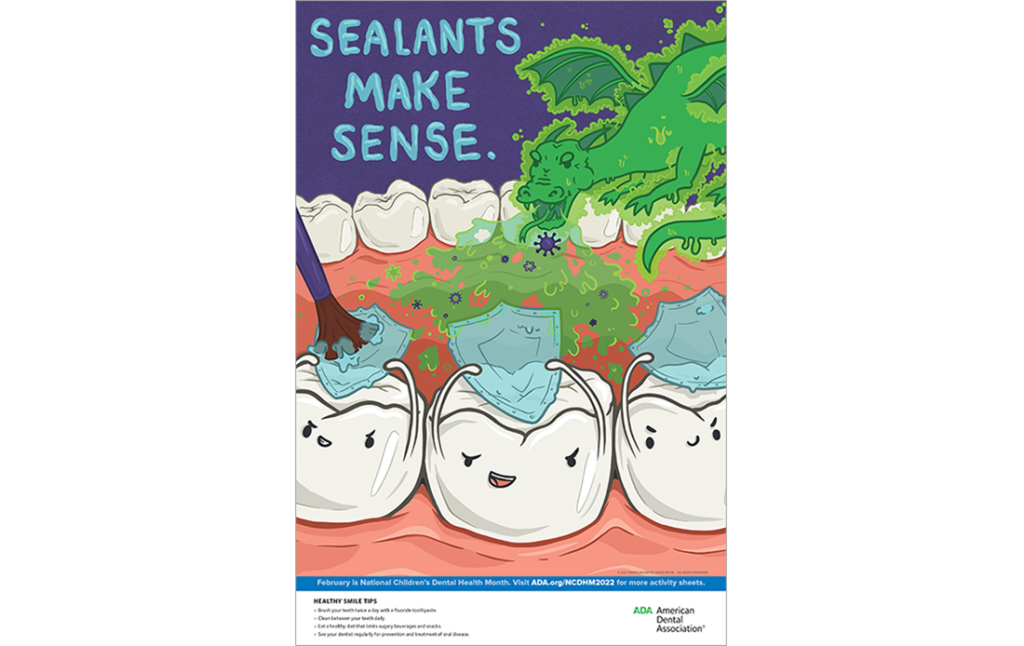
The February 2022 National Children’s Dental Health Month theme is: Sealants Make Sense. This month-long national health observance brings together thousands of dedicated professionals, healthcare providers, and educators to promote the benefits of dental health for children, their caregivers, teachers and many others.
Dental Sealants for Children
Sealants are a fast and easy way of protecting your child’s teeth that act as barriers to cavity-prone areas. They are usually applied to the chewing surfaces of back teeth and sometimes used to cover deep pits and grooves. Both primary and permanent teeth can benefit from sealants. Now you know why “Sealants Make Sense”!
Toothbrushes Cannot Reach Everything
Thorough brushing and flossing help remove food particles and plaque from smooth surfaces of teeth. But toothbrush bristles cannot reach all the way into the depressions and grooves to remove food and plaque. Sealants protect these vulnerable areas by “sealing out” plaque and food.
About Sealants
Sealants are easy for your dental team to apply. The sealant is painted onto the tooth enamel, where it bonds directly to the tooth and hardens. This plastic resin bonds into the depressions and grooves (pits and fissures) of the chewing surfaces of back teeth. The sealant acts as a barrier, protecting enamel from plaque and acids. As long as the sealant remains intact, the tooth surface will be protected from decay. Sealants hold up well under the force of normal chewing and may last several years before a reapplication is needed. During your regular dental visits, your dentist will check the condition of the sealants and reapply them when necessary.
The likelihood of developing pit and fissure decay begins early in life, so children and teenagers are obvious candidates. But adults can benefit from sealants as well.
Dental Health for Children
While this year’s theme may focus around dental sealants, Children’s Dental Health Month is really about the importance of oral health in our children. At GPS Dental, we’re dedicated to helping families understand the importance of good dental care at an early age. In fact, the American Association of Pediatric Dentists recommends that parents find a dentist for their child as early as their first tooth loss or first birthday.
When you come and see us early on for family dentistry, we can assess your child’s gums and you can ask us any questions you’d like. It’s a great way to establish your child’s dental routine, monitor their oral health, and implement any preventative measures.
Download dental health for children posters, worksheets, and more HERE!
Protect those Baby Teeth
While we know about the importance of taking care of our adult teeth, tiny baby teeth and children’s teeth also need good oral care to prevent bacteria and decay. It’s important to implement brushing every day, and help your child floss. In infants or baby teeth, it’s helpful to limit the amount of sugary liquids and remember our theme of water: nature’s drink! Instead of sending your child to bed with a bottle full of milk, formula, or juice, use water instead. It’s the safest option and doesn’t include any sugary risks.
Learn More about Dental Health for Children
A few tips:
- Clean your infant’s gums daily. You can do this with a damp washcloth and gently wipe over the gums after each feeding to clear away bacteria.
- Start a brushing routine with the appearance of their first tooth. Brush the tooth with small brush and tiny amount of toothpaste.
- Once your child’s teeth touch, you can begin flossing.
- Replace your child’s toothbrush every three to four months.
Baby teeth are important for children to:
- Chew and eat foods. Children need to eat healthy foods every day to grow and be strong. Children with tooth decay are less likely to eat crunchy foods, such as fresh fruits and vegetables. Being able to eat these foods promotes good nutrition and a healthy weight.
- Speak clearly. Children who lose baby teeth too early may have trouble making certain sounds. This can make it hard to understand the child. A child may need speech therapy to improve speech problems that may develop because of missing teeth.
- Have self-confidence. Children with decayed front teeth tend to not smile or may cover their mouth when talking. Sometimes they stop playing with other children. A healthy smile helps give children the self-confidence needed to have good social experiences.
- Stay healthy. Tooth decay in baby teeth can lead to infections that can cause fever and pain. If not treated, the infection from tooth decay can spread to other parts of the head and neck and lead to severe swelling.
- Keep space for adult teeth. Baby teeth hold space for adult teeth growing in the jaw. If a baby tooth is lost too early, other teeth that are already in the mouth will move into the space. It can block out the adult tooth trying to come in and cause crowding. The upper and lower jaws may not meet properly because of the crooked teeth.
- Related Article: Oral Diseases and Tooth Loss… GPS Dental Can Help
Tips for Visiting the Dentist:
- If your child asks what will happen at the dentists office, give a simple answer. For example, say:
- “They may count how many teeth you have.”
- “They may clean your teeth to make them shiny and bright!”
- If you don’t like visiting the dentist, don’t share that information with your child. That might make your child worry about going, too.
- Set up a pretend dental chair. Pretend to be the dentist or dental hygienist. Look in your child’s mouth and count her teeth; then talk to her about brushing her teeth.
- Read books or watch videos with your child about visiting the dental clinic. Don’t use books or videos that have words like hurt, pain, shot, drill, afraid, or any other words that might scare your child.
- Let your child bring his favorite toy or blanket to the clinic.
- If you find out that your child will receive a small toy or new toothbrush at the end of the visit, remind your child of this reward.
- Plan a fun activity for after their visit to the dentist.
We love our little patients and strive to make their dental visits comfortable and fun! When they enjoy visiting Dr. Skrobanek and his Team, they will likely brush their teeth regularly and look forward to their next visit! We will do our best to schedule your children’s visits together, if that makes it easier for you to bring everyone at the same time!
Thank you for giving your child healthy dental habits that will last a lifetime!
Dr. Gary P. Skrobanek’s experienced and friendly team at GPS Dental offers affordable dental care for all ages in San Antonio, TX area. Our Brooks City Base dentist office is conveniently located and offers early morning appointment times Monday through Friday to meet your needs. At GPS Dental, we promote dental health awareness to our patients and provide most dental services, from family and general dentistry to dental implants, sleep apnea, TMJ / TMD Treatment, cosmetic dentistry and much more. We accept most dental insurance plans and offer affordable financial solutions for any budget. Call us at 210-633-3477 to make an appointment.
BOOST Your Immune System thru Oral Care and Gum Health

When you look at someone’s smile, you probably notice their teeth, or maybe how bright their smile is. However, you may not realize that a healthy smile can boost your immune system and don’t forget about the importance of healthy gums! They may not seem like the star of the show, but they’re just as important as every other part of your mouth, and have to be taken care of to maintain a bright and healthy smile. Even if you take care of your teeth and don’t have any cavities to worry about, you’re not immune to gum disease.
Related Article: The Health Risks of Gum Disease
What is Gum Disease?
Basically, gum disease happens when plaque builds up along and under the gum line. Filled with bacteria, plaque is a sticky film-like substance that can cause infections, gum disease, and even tooth decay. Plaque is also the culprit behind gingivitis, which is the earliest stage of gum disease.
When you begin experience gingivitis, your gums may become:
- Red
- Swollen
- Inflamed
- Tender
- Prone to bleeding
Stages of Gum Disease
At this early stage of gum disease: your teeth and bone holding your teeth where they are aren’t yet impacted and the damage can be controlled and is reversible. With diligent brushing and flossing, and twice-a-year dental cleanings with your dentist, your gum disease can improve significantly and can go away.
The later stages of gum disease: also known as periodontitis, aren’t as easy to reverse. Unlike gingivitis, periodontitis affects the bone and teeth. Sometimes teeth may need to be removed and more advanced treatment by your dentist will be needed to combat the later stages of gum disease.
Please note, if you have periodontitis, it’s not something you can reverse on your own. You need professional help to control the infection, which may include different types of treatment, as well as medications from your dentist.
Causes of Gum Disease:
- Poor dental hygiene
- Sugar and acid
- Tooth abnormalities
- Poor dental work
- Wisdom teeth
- Tooth grinding
Symptoms of Gum Disease Can Range from:
- chronic bad breath
- red, swollen gums
- bleeding when you brush
- painful chewing
- loose or sensitive teeth
- sensitive or receding gums
Sometimes there are no signs of gum disease, which is why it’s essential to visit your dentist every six months for a checkup.
Related Article: Oral Diseases and Tooth Loss
The Impact of Gum Disease
While knowing about and treating gum disease is extremely important for your dental/oral health, it’s also crucial to remember that your body is all connected, so if one area suffers, your whole body with feel the effects. The same can be said about gum disease. It affects more than just your mouth.
Did you know that 85% of Americans suffer from gum disease, yet only 60% of those infected know they have gum disease? Gum disease is an infection of the tissues and bone that support your teeth and is the leading cause of tooth loss. However, the impact can extend beyond your mouth.
Also known as periodontitis, gum disease can significantly affect your general health.
Research shows that there is a connection between gum disease and other serious conditions such as:
- osteoporosis
- oral and pancreatic cancer
- brain stroke
- dementia
- heart disease
- rheumatoid arthritis
- dementia
- gum disease may be linked to Alzheimer’s disease and other forms of dementia from oral bacteria that spread through the blood stream
- gum disease also impacts those with diabetes by making it difficult to regulate blood glucose levels
- Read More: Oral Disease: The Top 3 that Could Impact Your Health
If you have one of these systemic conditions, it is important to talk to your dentist about your risk for gum disease and the best treatment options.
Related Articles:
- Gum Disease: Can a Simple Cavity Turn into Gum Disease?
- Strengthen Your Immune System through Oral Hygiene
Learn more about Preventing Gum Disease from the American Heart Association.
Gum Disease is Treatable
The three goals of treatment involve:
- Reducing inflammation
- Decreasing pocket depth (the space between your tooth and gum)
- Stopping bone loss
Initial treatment options can include Laser Pocket Disinfection or scaling and root planning (also known as deep cleaning). There are surgery options for advanced gum disease as well. Consult with Dr. Skrobanek for a customized treatment plan to restore the health of your gums.
Is Your Smile Healthy??
As the gateway into the body, the mouth provides a point of entry for bacteria and germs to enter your respiratory system and blood stream. Boost your immune system by maintaining good oral health to keep it robust and working properly.
A healthy mouth is a great asset! Our teeth play such important roles in our lives – they help us chew our food, talk and speak to others, and give our face its beautiful shape. Not only that, but our smiles give us confidence and influence our careers, social lives, relationships, and more. How do you know if your smile is healthy? Let’s take a look at the many signs, visible and invisible, of a healthy smile.
Signs of a Healthy Smile
There are both visible and invisible signs that you have a healthy smile.
Here are some visible signs:
- White teeth, free of excess stains: Teeth that are very yellow could indicate tooth decay.
- An aligned bite: When the top and bottom jaw align, wear and tear is distributed evenly when chewing and biting.
- Smooth, pink tongue: Sometimes we can have a white film on the tongue from decayed particles from food. Proper tongue cleaning can often get rid of this film. Canker sores or red patches on the tongue could indicate health problems.
- Firm, pink gums: White, red, or dark pink gums could indicate inflammation or gum disease.
- Gums that aren’t recessed too low: 3 millimeters is the max amount gums should recede from the teeth.
Let’s look at some invisible signs of a healthy smile:
- Fresh breath: Although it’s impossible to have fresh breath all the time (especially after we wake up in the morning) but, the constant presence of bad breath, even after brushing and flossing, is often an indicator of tooth decay.
- A moist mouth: Although the word “moist” may be uncomfortable for a lot of us to say, the truth is, a moist mouth is a healthy mouth. A mouth that is dry cannot wash away bacteria with saliva – which is our natural mouthwash.
- Free of pain or discomfort: Pain let’s us know that something isn’t quite right. If we’re experiencing any toothaches or discomforts in the mouth, something needs to be checked out.
- No sensitivity: Tooth disease often manifests with tooth sensitivity. If your teeth are pain-free, then chances are they’re healthy and don’t have cavities.
Related Articles:
10 Ways to Improve Your Smile
A healthy smile isn’t always achieved overnight, but takes a variety of methods to help create and maintain. Here are 10 easy things you can do to help improve the appearance and health of your teeth and boost your immune system.
- Floss every day
- See your Hygienist twice each year
- Brush your teeth twice a day
- Buy a quality toothbrush
- Stop Smoking
- Drink plenty of water
- Limit coffee, tea, and red wine
- Choose whitening products carefully
- Improve other health conditions
- Get dental treatment in a timely manner
It can take some time before you start to notice changes from whitening or improved oral hygiene. While these changes don’t come overnight, they are certainly worth the time and effort, both for the sake of your smile and your overall health. You should also have regular dental checkups and cleanings. Why? Read more about “Why it’s important to schedule your dental exam twice a year”.
Boost Your Immune System with a Healthy Smile at GPS Dental
You can boost your immune system by keeping a healthy mouth. That’s why our expert team at GPS Dental strives to educate our patients on healthy habits that can do more than keep your smile bright. That’s why it’s always important to see Dr. Skrobanek every 6 months for proper checkups at GPS Dental, so your he can check for all the signs of a healthy mouth. A healthy mouth, teeth and gums has all the makings for a beautiful smile!
Dr. Gary P. Skrobanek is a dental implant dentist and his experienced, friendly team at GPS Dental offer affordable family dentistry and gentle dental care in the San Antonio, TX area. Our Brooks City Base dentist office is conveniently located and offers early morning appointment times Monday through Friday to meet your needs. At GPS Dental, we provide most dental services, from family and general dentistry to dental implants, sleep apnea, TMJ / TMD Treatment, cosmetic dentistry and much more. We accept most dental insurance plans and offer affordable financial solutions for any budget. Call us at (210) 633-3477 to make an appointment.