



Category Archives: Oral Health
Holiday Treats – If You Sip & Snack All Day, You’ll Risk Tooth Decay!

During the holiday season, everyone finds pleasure in being among family and friends. It is a time to be jolly and engage in the holiday’s festivities. This celebratory period is marked by treats, festive drinks, and a vast array of foods.
Almost everyone finds it hard to ignore the sweets and delicious foods that are displayed for all to enjoy. As individuals socialize, snacking and sipping is inevitable. You don’t have to stop the impulse to snack entirely but be aware of how eating and drinking frequently can have a harmful impact on your oral health.
Tooth Decay: Sweet Treats
Sweets are practically a necessity for the holiday season. Chocolates, brownies, fudge, candy canes, cookies, cakes, fruit cake, and figgy pudding are just some of the treats that people expect to see on their tables. They are delicious, and they are staples of this joyous time. However, indulging can be horrible on the teeth because sugar creates a breeding ground for bacteria in the mouth.
The high sugar content found in these foods provides sustenance for oral bacteria. As bacteria and sugar react, they produce acids that attack the teeth. As these sugars remain on your teeth and are steadily introduced to your mouth throughout the day, you leave your teeth and gums vulnerable to decay.
Related Article: Dental Health Awareness: Gum Disease & Heart Disease
Tooth Decay: Sugary Drinks
Hot cocoa with various toppings, fruit punches, cocktails, wine, and other festive drinks all contain sugar. As these are consumed with other sweet substances, they accelerate the process that causes tooth decay. They cling to teeth and the acid produced through the interaction with bacteria, strip away enamel. When this layer of protection is penetrated, teeth become weak and susceptible to cavities.
Alcohol is known for its unpleasant effect on the body. Its sugar content coupled with its dehydrating properties, make alcohol risky for your oral health. As alcohol is consumed, it clings to the teeth, feeding existing bacteria. It also causes dehydration by slowing down the production of saliva and inhibiting its ability to flush away bacteria and food or drink particles, causing them to linger in the mouth. Staining also results from alcohol consumption.
What Can I Do to Avoid the Negative Effects of Alcohol and Sugar on My Oral Health?
Sweets can be consumed during the holiday season, but adopting specific habits can help to counteract the effects of holiday treats on teeth. For instance, rinsing your mouth between indulgences, as well as using mini toothbrushes to clear away foods from teeth can be very beneficial. Drink water between alcoholic drinks to prevent dry mouth (and stay hydrated), wash away bacteria and restore moisture. Last but not least, brushing teeth twice a day, flossing, and using mouthwash should be implemented to guarantee the removal of food and sugars, which can cause plaque build-up and tooth decay.
GPS Dental Offers Holiday Cleanings
At GPS Dental, we understand that sweets are some of the traditional items that many expect to see and eat during the holiday season. However, eating them in moderation or adopting practices that aid in neutralizing the effects of sugar are strongly recommended.
After the holiday season has passed, we encourage you to come in for a check-up and cleaning. We can work with you to ensure that no adverse changes have occurred in your mouth, impacting your oral health. Contact the office of GPS Dental to book an appointment.
Dr. Gary P. Skrobanek’s experienced and friendly team at GPS Dental offers family dentistry for all ages in San Antonio, TX area. Our Brooks City Base dentist office is conveniently located and offers early morning appointment times Monday through Friday to meet your needs. At GPS Dental, we promote dental health awareness to our patients and provide most dental services, from family and general dentistry to dental implants, sleep apnea, TMJ / TMD Treatment, cosmetic dentistry and much more. We accept most dental insurance plans and offer affordable financial solutions for any budget. Call us at 210-633-3477 to make an appointment.
Top 10 Causes of Sensitive Teeth
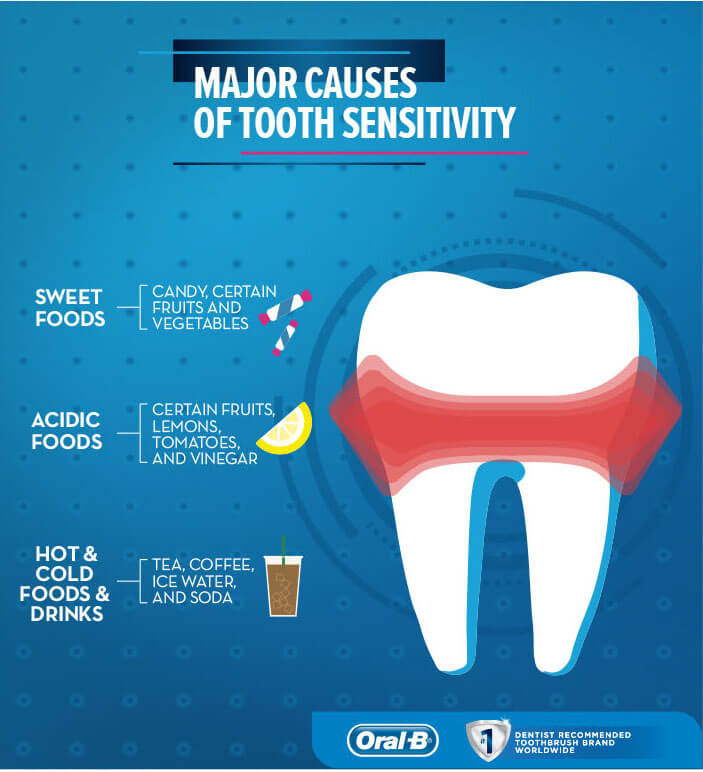
Many individuals suffer symptoms of sensitive teeth which typically consist of discomfort or pain while eating, drinking, and breathing. Causes of sensitive teeth can vary from deteriorated tooth enamel to unprotected tooth roots.
If you are suffering from sensitive teeth and wondering how you can prevent this condition, continue reading for the 10 common causes of sensitive teeth as well as suggestions on how to avoid or diminish sensitive teeth.
-
Brushing Too Aggressively
Keeping your teeth clean and free of plaque is fundamental to your oral health. However, using a hard bristle brush or brushing teeth harshly can wear down the enamel and be one of the top causes of sensitive teeth. Once this protective coating is damaged or worn down entirely, the dentin underneath is exposed. This tissue inside the tooth is highly sensitive to stimuli. Using a softer bristle brush and brushing less vigorously is your best course.
-
Chipped or Cracked Teeth
If you have a chipped or cracked tooth and notice pain resonating from that particular tooth, this is a severe condition and one of the top causes of sensitive teeth. The discomfort experienced is most likely resulting from plaque and food debris seeping into your teeth, accessing the pulp, and causing an infection. Extraction, a root canal, or another dental procedure will have to be done to treat the infection and thereby alleviate the pain.
Related Article: Chipped Tooth? 3 Ways to Make it Look Like New
-
Cavity
In some instances, a cavity causes sensitive teeth. Much like cracks or chips in a tooth, a cavity also provides an opening to deep layers of the tooth. Poor oral hygiene and regular consumption of sugary foods and drinks will lead to sensitive teeth.
-
Worn Filling
The purpose of a filling is to repair cavities and openings in the teeth. However, over time, these fillings can wear down. As they do, an entrance to the tooth is once again revealed. Relieve sensitive teeth from this cause with a secure filling.
-
Teeth Grinding (TMJ)
People who grind their teeth will wear them down, resulting in extreme discomfort and causes tooth sensitivity. Ask your dentist about bruxism. A mouthguard might be suggested for your sensitive teeth.
Related Article: Are You Experiencing Jaw Pain? You could have TMJ!
-
Acidic Foods or Drinks
A typical cause of sensitive teeth is the persistent consumption of acidic foods or drinks. The chemicals contained in these items attack the enamel of the teeth causing it to wear down and lose its strength. Decreasing the consumption of these items (such as wine, soda, coffee, and some fruits) can reduce tooth sensitivity.
-
Gum Disease
Gum disease results from poor oral hygiene habits. With severe plaque build-up, bacteria can collect heavily on the gums. It causes sore and bleeding gums and discomfort while chewing. More severely, it can attack the bone of the teeth often resulting in deterioration, pain, and eventually tooth loss.
Related Article: Dental Health Awareness: Gum Disease & Heart Disease
-
Excessive Plaque
Gingivitis is the preceding stage of gum disease and occurs when plaque builds up on the teeth and along the gum line. It causes red, swollen, tender gums. If left untreated, gingivitis leads to gum recession, that will expose the root of the teeth. This state of vulnerability leads to very sensitive teeth.
Related Article: Bad Teeth? You May Need Perio Treatment
-
Extreme Use of Mouthwash
Using mouthwash is a good addition to your routine of flossing and brushing. However, when used in excess, it can rank on the list of causes of sensitive teeth. Some mouthwashes contain alcohol, which can wear down the enamel. Consider using a milder mouthwash, without alcohol to limit enamel erosion.
-
Dental Procedures
Dental procedures are often performed to correct an existing issue. However, they may result in sensitive teeth immediately afterward. This discomfort should only last a short period. If you notice the pain continues after the estimated recovery period, contact your dentist about your sensitive teeth.
GPS Dental Can Help with Sensitive Teeth
If you have sensitive teeth, visit GPS Dental. Our dental professionals can identify the underlying causes of your tooth pain. For more information on our services, how we can help you, or to book your next appointment, contact us.
Dr. Gary P. Skrobanek’s experienced and friendly team at GPS Dental offers family dentistry for all ages in San Antonio, TX area. Our Brooks City Base dentist office is conveniently located and offers early morning appointment times Monday through Friday to meet your needs. At GPS Dental, we promote dental health awareness to our patients and provide most dental services, from family and general dentistry to dental implants, sleep apnea, TMJ / TMD Treatment, cosmetic dentistry and much more. We accept most dental insurance plans and offer affordable financial solutions for any budget. Call us at 210-633-3477 to make an appointment.
5 Common Reasons You Have Tooth Pain after Root Canal

A root canal is a common procedure that dentists perform to treat certain types of tooth pain. During the procedure, the dentist will carefully remove dead, infected, and damaged pulp from the inside of the affected tooth (developed teeth can survive without the pulp), thereby eliminating the source of the pain.
Although this procedure is highly effective for treating pain, sometimes patients still experience tooth pain after root canal, and today we’ll tell you five of the most common reasons why.
-
Tooth Pain After Root Canal: Post-Procedure Inflammation
One of the most common causes of post-root canal tooth pain is inflammation, which can be caused by the procedure itself or because the infection caused the tooth ligament to become swollen. In these cases, the swelling will subside in the days and weeks following the root canal, and the pain will resolve on its own.
-
Tooth Pain After Root Canal: Infection
A root canal is often performed to remove infected pulp from inside the tooth, so it’s possible that there’s still some bacteria present after the procedure, and this can lead to infected tissue and more pain. Like with swelling, the problem should resolve itself once your immune system attacks and kills the bacteria, but if the problem persists, your doctor or dentist may recommend antibiotics.
-
Tooth Pain After Root Canal: Fillings That Are Too Large
After your dentist removes the pulp from inside your tooth, the empty space is filled with a rubber-like material. If too much filling material is used, however, it will cause the tooth to sit higher, and this will cause pain any time you bite down. Although this problem won’t resolve on its own, your dentist can fix the issue easily by adjusting the filling.
-
Tooth Pain After Root Canal: An Incomplete Root Canal
Some teeth, especially the molars, can have multiple canals, and it’s possible for a dentist to miss one or more of these during the procedure. In these instances, the initial cause of the pain never gets fixed, so you’ll still experience pain even after the root canal. Similarly, if the dentist happens to miss any of the damaged nerves inside the tooth that need to be removed, you may still experience pain when that tooth comes in contact with heat, cold, or something acidic.
-
Tooth Pain After Root Canal: Damage to the Surrounding Tissue
During the root canal, tissue damage can occur if bacteria is accidentally injected into the surrounding tissue, if too much filling material is used and flows past the root tip, or if a file used to clean the inside of the tooth slips beyond the root tip and pokes into the tissue below. In these cases, the pain will disappear when the damaged tissue heals.
Root canals are an effective method for addressing problems caused by damaged or infected pulp, and this procedure is usually effective at eliminating tooth pain. However, if your tooth pain persists after the root canal, these are common issues that might explain the problem. In most cases, the tooth pain will resolve on its own, but if the pain is excessive or continues for more than five days, consult a dental professional as soon as possible.
Related Article: Brooks City Base Dentist: GPS Spotlight on Dr. Gary Skrobanek
Dr. Gary P. Skrobanek’s experienced and friendly team at GPS Dental offers family dentistry for all ages in San Antonio, TX area. Our Brooks City Base dentist office is conveniently located and offers early morning appointment times Monday through Friday to meet your needs. At GPS Dental, we promote dental health awareness to our patients and provide most dental services, from family and general dentistry to dental implants, sleep apnea, TMJ / TMD Treatment, cosmetic dentistry and much more. We accept most dental insurance plans and offer affordable financial solutions for any budget. Call us at (210) 633-3477 to make an appointment.
My Teeth Are Sensitive: Why and What You Can Do About It
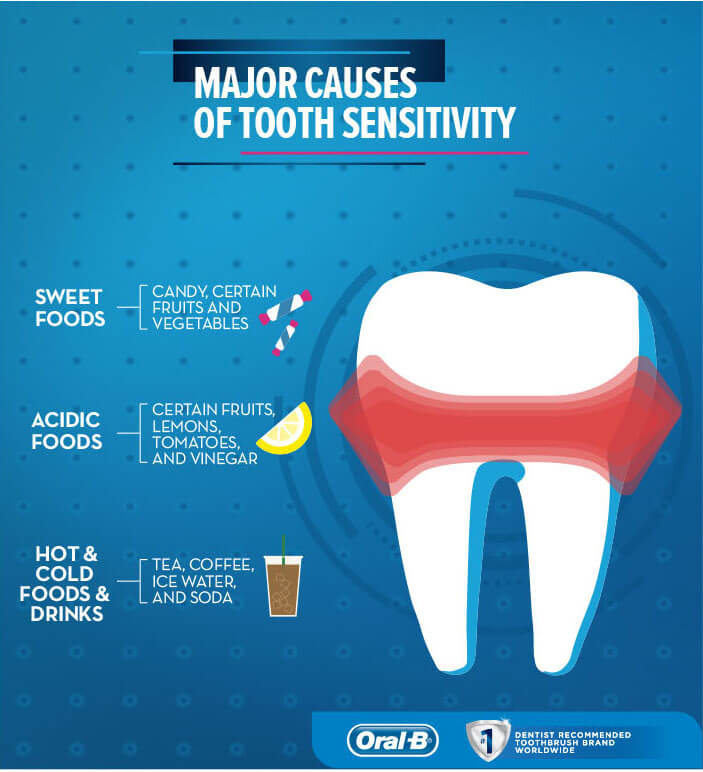
Having sensitive teeth can make eating and drinking more of a chore than something to enjoy, and unfortunately, millions of Americans suffer from pain caused by sensitive teeth. If you’re one of them, then it’s important to pay attention to what foods trigger the pain so that you can take care when consuming your favorite foods and drinks with them. However, it’s even more important to understand why my teeth are sensitive so you can take steps to reduce it.
My Teeth Are Sensitive: Substances and Activities That Trigger Tooth Pain
Tooth sensitivity is different for everybody, but certain things commonly trigger this type of pain, and they include:
- Consuming acidic foods or beverages
- Exposure to cold temperatures (including foods, drinks, and even the air)
- Eating hot foods and drinks
- Brushing too hard
- Flossing your teeth
My Teeth Are Sensitive: Why Teeth Become Sensitive
The reason some people have tooth sensitivity is something called dentin, which is one of the primary substances that make up human teeth. In a healthy tooth, the nerves of the tooth are protected from things like hot, cold, and acid by dentin, which is in turn protected by enamel. But when the enamel wears away, it can expose the dentin below, leaving the nerves susceptible to temperature and other elements. When the nerves are exposed to these things, it triggers pain in your teeth and mouth.
My Teeth Are Sensitive: Factors That Can Exacerbate Sensitivity
Many activities and substances can actually make tooth pain worse, including anything that will wear away the enamel on your teeth or expose the roots of your teeth.
These things include:
- brushing too hard
- using a hard-bristled toothbrush
- gingivitis
- receding gums
- grinding your teeth or clenching your jaw
- eating acidic foods or beverages too often (this can include mouthwash and whitening toothpaste)
Other factors that can worsen tooth sensitivity include having:
- cracked teeth
- excessive plaque build-up
- tooth decay
Great, My Teeth Are Sensitive. So What Can I Do About It?
There’s good news for people who are suffering from sensitive teeth: there are treatments that can reduce the pain you experience when you eat and drink. You can mitigate the pain by brushing your teeth with a soft-bristled brush, using desensitizing toothpaste, rinsing your mouth daily with an alcohol-free fluoridated mouthwash, avoiding acidic foods and beverages, and using a straw to consume cold or acidic substances.
Finally, it’s also a great idea to schedule an appointment with Dr. Gary Skrobanek at GPS Dental in San Antonio because he may be able to suggest dental procedures or solutions that may further reduce pain, including crowns, bonding, root canals, fixing cracks, or even a custom mouthguard to protect your teeth and enamel from nighttime grinding.
Related Article: Signs of Sleep Apnea: The Bedtime Battle
Sensitive teeth can make life a pain and turn every meal into a minefield of figuring out where to chew comfortably; you might even be avoiding certain foods and doing what you can to prevent pain. Fortunately, there are things you can do to reduce pain caused by tooth sensitivity. Along with proper oral hygiene habits and avoiding certain substances, you can also talk to Dr. Skrobanek about what procedures might help make your teeth less sensitive.
More about Dr. Gary Skrobanek, DDS: Brooks City Base Dentist: GPS Spotlight on Dr. Gary Skrobanek
Dr. Gary P. Skrobanek’s experienced and friendly team at GPS Dental offers family dentistry for all ages in San Antonio, TX area. Our Brooks City Base dentist office is conveniently located and offers early morning appointment times Monday through Friday to meet your needs. At GPS Dental, we promote dental health awareness to our patients and provide most dental services, from family and general dentistry to dental implants, sleep apnea, TMJ / TMD Treatment, cosmetic dentistry and much more. We accept most dental insurance plans and offer affordable financial solutions for any budget. Call us at (210) 633-3477 to make an appointment.
Dental Health Awareness: Gum Disease & Heart Disease
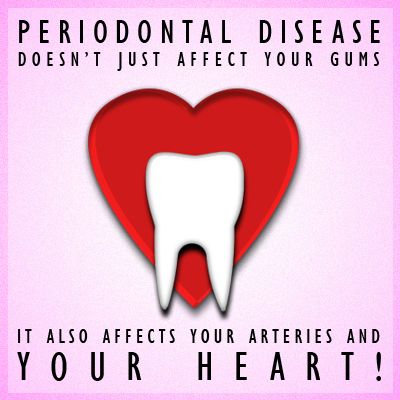
Periodontal Disease is a Pre-Cursor to Heart Disease
Every now and again, you’ll have a heart-in-mouth moment that leaves you speechless or struggling to find the right words to say. Once you learn how much your heart health works in conjunction with your oral hygiene, you’ll have one less thing to worry about. As innocuous as it seems, how you maintain your teeth affects your most vital organs. Gum disease of any kind can lead to heart problems if you don’t address it right away.
Dental Health Awareness: How Are They Connected?
Periodontal disease is a type of infection in and around your teeth structure that can affect your gums and tissues.
If you have this disease, you are more likely to be at risk of suffering a heart attack, in fact, you are two to three times more likely to experience one, according to Harvard University. Why? Any inflammation or swelling caused by periodontal disease can lead to hardened arteries. Consequently, the blood flow to your heart is slowed. Your gums are full of blood vessels. Once bacteria infects those gums, your bloodstream is likelier to be affected by the bacteria, which can cause inflammation throughout your body. The presence of additional toxins can affect your heart, leading to heart disease or even a stroke.
Related Articles:
How are Diabetes and Oral Health Related?
Show Your Teeth Some Love: Gum Disease & Your Heart
Dental Health Awareness: How Do You Get Periodontal Disease?
Periodontal disease can derive from several internal bodily issues, but also poor lifestyle choices. Practices influencing the development of this disease are not brushing or flossing your teeth enough, bad eating habits, and lack of exercise. If you are a frequent smoker or have diabetes, you’re also prone to periodontal disease, which, in turn, makes you a higher risk for heart problems.
Gingivitis, which involves the swelling and bleeding of gums, is the most notable precursor to periodontal disease. ‘Peri’ means around and ‘odontal’ refers to teeth. So if immediate action is not taken, the structure that surrounds your teeth within your jawbone weakens. At some point, your teeth may loosen, leading to potential extraction.
The bacteria in dental plaque is a primary cause of this disease. Having superior dental health awareness and scheduling regular check-ups will help you eliminate that plaque as soon as possible to reduce any chances of contracting the disease.
Dental Health Awareness: Can Preventing Periodontal Disease Eliminate Heart Disease?
There’s no definitive proof that limiting or eliminating periodontal disease has a direct effect on preventing heart disease. However, it can diminish any risk of getting it.
Routine brushing and flossing help your teeth stay in excellent condition. If you do have gingivitis or signs of it, you should seek attention from your dentist, and it helps to ask for a demonstration on how to brush and floss properly. It could also be beneficial to get as many cleanings as required by Dr. Skrobanek at GPS Dental.
Improved lifestyle habits as well as fixing any misaligned or crowded teeth can reduce your chances of getting this debilitating oral disease. Stress and fluctuating hormones are also possible triggers that you need to note if you want to curb this disease from happening or spreading.
Strong dental health awareness and paying attention to your overall health can ensure that your mouth and heart are as healthy as possible. Let GPS Dental direct your path towards exemplary oral hygiene and find out how you can prevent or eliminate periodontal disease now.
Dr. Gary P. Skrobanek’s experienced, friendly team at GPS Dental offers affordable dentistry and is a gentle family dentist in San Antonio, TX area. Our Brooks City Base dentist office is conveniently located and offers early morning appointment times Monday through Friday to meet your needs. At GPS Dental, we promote dental health awareness to our patients and provide most dental services, from family and general dentistry to dental implants, sleep apnea, TMJ / TMD Treatment, cosmetic dentistry and much more. We accept most dental insurance plans and offer affordable financial solutions for any budget. Call us at (210) 633-3477 to make an appointment.
Dangers of Vaping: Can it harm your smile, gums & teeth?

Vaping refers to the act of using an e-cigarette. It was first introduced to the market in 70’s, but it did not receive the recognition it has presently. Only recently, which has primarily transpired over the past few years, vaping has become increasingly popular. Many individuals, mainly younger people, find enjoyment in inhaling and exhaling the vapors that e-cigarettes produce. The addition of various flavors, as well as the experience, makes it appealing for vapers to engage.
With its insurgency over the years, many individuals have questioned the dangers of vaping. As a deliverer of nicotine, the concern has been whether using an e-cigarette has the same effects on the body as smoking. Similarly, the oral health implications attached to nicotine users is also questionable for the use of e-cigarettes. The question that arises is: Can vaping harm your smile, gums, and teeth?
Your Oral Health is Important
Many individuals dismiss the importance of maintaining a healthy mouth. Far too often, improper oral hygiene results in decaying teeth, gum disease, and many other oral deficiencies. Poor oral health has been linked to heart disease and many other health-related issues such as cancer. With this in mind, finding out how vaping can play a detrimental role in your oral health is critical. Much like other parts of the body, the well being of your mouth is also fundamental to your overall health. So, keeping your gums and teeth in excellent condition is critical.
Related Article: Oral Cancer Screening … You Need to Know
What Can Smoking Do To Your Oral Health?
One of the unpleasant habits that dentists wish for their patients to dismiss is smoking. Tobacco is a harmful drug that can have long-term effects on your oral health. Smoking and especially chewing tobacco can increase a person’s chance of acquiring severe oral cancer. Additionally, gum disease, tooth decay, stains, tooth loss, disfigurement of taste buds, loss of taste and smell as well as a number of their adverse factors can result. Many are unaware of the detrimental impact smoking can cause to their mouth.
How Do The Dangers of Vaping Compare?
Due to the commonality of smoke that is emitted from traditional cigarettes and e-cigarettes, the assumption held is that vaping delivers the same negative effects as smoking. However, although this is true in some regard, there is a distinction. Nicotine, which is heavily found in cigarettes, and is mostly responsible for the adverse health issues attached to smoking, can also be found in some e-cigarettes, but not all. There lies the the main dangers of vaping, the nicotine.
Nicotine has been confirmed to impair proper blood flow to the gums and as a result, deprives the gums of oxygen and crucial nutrients. With this impairment, gums are subjected to decay. Gingivitis and periodontal disease can also result from excessive exposure to nicotine. Increased muscle activity, due to nicotine’s stimulating nature, can prompt teeth grinders to engage excessively in this action. Over time, tooth sensitivity, loss of teeth, broken teeth, damages to the bone structure and other consequences can result from grinding teeth persistently.
If You Vape, Consider Heading to Your Dentist on a Regular Basis
Despite the presence of nicotine in some e-cigarettes, many argue that it is less harmful than traditional cigarettes, but there are still dangers of vaping. However, despite this claim, individuals should consider periodical check-ups with their dentist. Doing so will keep you attuned to your oral health. However, to avoid the setbacks that can arise with the use of nicotine, considering e-cigarettes that are absent of nicotine is the best solution.
Whether you are engaging in vaping or not, pay attention to our oral health. At GPS Dental, Dr. Gary Skrobanek and his expert team are committed to helping our clients maintain the well being of their mouths. Consider contacting our team of friendly personnel to assist you with your dental needs.
Dr. Gary P. Skrobanek is a dental implant dentist and his experienced, friendly team at GPS Dental offer affordable family dentistry and gentle dental care in the San Antonio, TX area. Our Brooks City Base dentist office is conveniently located and offers early morning appointment times Monday through Friday to meet your needs. At GPS Dental, we provide most dental services, from family and general dentistry to dental implants, sleep apnea, TMJ / TMD Treatment, cosmetic dentistry and much more. We accept most dental insurance plans and offer affordable financial solutions for any budget. Call us at (210) 633-3477 to make an appointment.
Get Your Oral Cancer Screening – April is Oral Cancer Awareness Month
 Don’t wait until April, Get Your Oral Cancer Screening Today!
During April oral health professionals and those affected by oral cancer work diligently to advocate for education and prevention; as its Oral Cancer Awareness Month. Although this month is especially important in educating individuals on what oral cancer looks like and the available preventative steps that can lower risk, it’s vital that people monitor their oral health year-round.
Oral cancer can affect anyone, making it critical that you know what warning signs and symptoms point to the early stages of various types of oral cancer.
Oral Cancer Screening: Are There Detectable Early Signs of Oral Cancer?
There are a variety of different warning signs and early-stage symptoms associated with oral cancer. However, it’s important to note that oral cancer is a broad term for a wider range of cancer that occurs in the mouth. The common types of oral cancer include:
- Sinus cancer
- Throat cancer
- Lip cancer
- Tongue cancer
- Cancer in the cheeks
- Cancer in the hard and soft palates of the mouth
With regular oral cancer screening appointments, there are significant symptoms of oral cancer that can be detected by your oral health professional.
These warning signs and symptoms include:
- Oral bleeding in any area of the mouth.
- Irregular bumps or rough patches on the lips or inside the oral cavity.
- A loss of sensation or persistent numbness on the tongue, neck, face, or mouth.
- Difficulty chewing, swallowing, talking, or moving the jaw in any fashion.
- A recurring sore throat.
- Patches or areas of the mouth that are discolored.
Oral Cancer Screening: What Causes Oral Cancer?
Education is key and we like to take advantage of the additional emphasis that April has to focus on Oral Cancer Awareness Month, so let’s discuss the causes. There are many reasons that oral cancer can develop in a person, but there are some factors that can increase your risk of developing oral cancer. Along with many other harmful diseases, tobacco use can negatively impact your health, including in your mouth. Regular and heavy alcohol consumption is another factor associated with an increased risk of oral cancer.
Poor diet, HIV infection, UV rays, and poor oral hygiene also negatively impact your health and increase your risk of developing oral cancer.
Oral Cancer Screening: What Can Be Done to Prevent Oral Cancer?
Your best bet in catching oral cancer during its early stages is with a regular oral cancer screening performed by a trusted oral health professional, like Dr. Gary Skrobanek and his expert team at GPS Dental in San Antonio. They have the knowledge and experience to identify potential symptoms of various types of oral cancer and can connect you with the medical services you need.
Related Article: Oral Cancer Screening – You Need to Know!
In addition to an oral cancer screening during each of your dental appointments from Dr. Skrobanek, you can complete self-directed oral inspections. Inspect your mouth monthly for the warning signs listed above. For a more complete and thorough inspection, you can use a small light and mirror to see otherwise blocked areas. Upon finding anything suspicious, immediately contact your oral health professional.
Related Article: Why We Perform Oral Cancer Screenings during Dental Checkups
Dentists and doctors alike will also recommend that people cut out tobacco use completely, as it is known to impact your overall health negatively. At GPS Dental, we’re dedicated to helping our patients maintain a healthy mouth and a healthy life. To schedule your oral cancer screening, contact us today.
Dr. Gary P. Skrobanek is a dental implant dentist and his experienced, friendly team at GPS Dental offer affordable family dentistry and gentle dental care in the San Antonio, TX area. Our Brooks City Base dentist office is conveniently located and offers early morning appointment times Monday through Friday to meet your needs. At GPS Dental, we provide most dental services, from family and general dentistry to dental implants, sleep apnea, TMJ / TMD Treatment, cosmetic dentistry and much more. We accept most dental insurance plans and offer affordable financial solutions for any budget. Call us at (210) 633-3477 to make an appointment.
Dental Health Services for Your Children
Help your children “Defeat Monster Mouth”!!
February is National Children’s Dental Health Month, and the American Dental Association is asking people to “Defeat Monster Mouth.” At GPS Dental, we strive to work with our little patients and educate them and their families by offering dental health services for all ages.
National Children’s Dental Health Month is an annual month-long health focus that brings together teachers, dental professionals and health care providers to work with children and their caregivers to promote the benefits of good oral health. Offering dental health services and helping children develop healthy dental habits at an early age are important to Dr. Gary Skrobanek. Visiting GPS Dental for regular dental appointments will help get them started down the path for a lifetime of healthy teeth and gums.
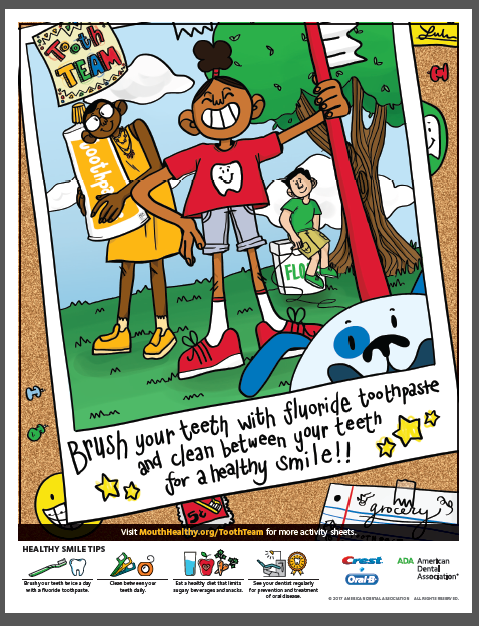
We wanted to highlight this year’s ADA slogan, “Defeat Monster Mouth” because it can help children make an association with keeping their mouth, teeth and gums healthy. We’ve included one of the posters that feature the McGrinn Twins, Flossy and Buck, Den Smiley and K-9, the dog. They are fighting to defeat “Plaqster the Monster” to win the battle of good oral health! Notice that the poster demonstrates effective ways to defeat monster mouth and maintain good oral health by brushing and flossing!
Dental Health Services: Let’s talk about healthy habits
These five steps will help you remember how to care for your mouth, teeth and gums and are super easy:
Brushing:
Even though everyone knows that brushing your teeth is a key component of their overall dental health. But, some are not aware of the correct way to brush their teeth.
Here’s a quick reminder of the correct way to brush:
- Select a soft-bristled toothbrush to remove plaque
- Spend at least two minutes twice a day brushing your teeth with fluoride toothpaste
- Be thorough and make sure to tilt your toothbrush a 45-degree angle to clean both the inner and outer surfaces of your teeth, as well as the chewing surfaces.
- Use short, precise strokes in a back-and-forth motion and be gentle
- Brush your tongue, it’s important to your overall oral hygiene and will help keep your breath fresh.
- Pro Tip: Sometimes setting a timer or playing a favorite song or video that lasts at least two minutes is an easy way to get this young habit started!
Here’s a quick video your kiddos will like: No More Nasties, Brushing for Kids
Flossing:
Make sure you’re cleaning between your teeth each day; otherwise, you’re not cleaning 40% of your teeth’s surfaces. Bedtime is usually the best time to floss, so you can make sure all those food particles have been cleared away from those hard to reach places and don’t start to leave decay.
According to the ADA, here’s a quick, easy 1-2-3 reminder of how to floss your teeth:
- Pull 18 to 24 inches of dental floss from the floss dispenser.
- Wrap the ends of the floss around your index and middle fingers.
- Hold the floss tightly around each tooth in a C shape; move the floss back and forth in a push-pull motion and up and down against the side of each tooth.
Here’s a quick video: How to Floss
Spit:
Have you heard that it’s better for the enamel on your teeth to spit your toothpaste out after you brush, but not rinse your mouth with water? Why? Because rinsing your mouth will wash away your toothpaste’s protective fluoride that you want to leave behind when you brush your teeth, so it continues to be effective. Not only does it strengthen the enamel on your teeth, it also reduces the amount of acid that the bacteria on your teeth produce. This will help reduce cavities.
Eating Healthy Snacks:
Pick healthy snacks, like fruits and veggies. Steer clear of those sugary treats and remember that the worst culprits are the chewy, sour / sweet candies that kids love.
More information about Why Candy is Bad for Your Teeth
Related Article: On-the-Go Snacks for Healthier Smiles and Happier Parents
Dental Appointments:
Remember to visit Dr. Skrobanek at GPS Dental twice each year for your oral exam and cleaning! Our dental health services for children include X-rays, professional cleanings, dental sealants, and treatment for cavities.
Here are a couple of activities that you can print out for your kiddos:
Now you can understand why the expert team at GPS Dental is so focused on the dental health services they offer and helping their little patients develop healthy dental habits. We want kiddos to have a lifetime of healthy teeth and gums!
Dr. Gary P. Skrobanek and his experienced, friendly team at GPS Dental offer affordable family dentistry and gentle dental care in the San Antonio, TX area. Our Brooks City Base dentist office is conveniently located and offers early morning appointment times Monday through Friday to meet your needs. At GPS Dental, we provide most dental services, from family and general dentistry to dental implants, sleep apnea, TMJ / TMD Treatment, cosmetic dentistry and much more. We accept most dental insurance plans and offer affordable financial solutions for any budget. Call us at (210) 633-3477 to make an appointment.
How are Diabetes and Oral Health Related?
Diabetes and Oral Health
As you probably already know, there are many people who suffer from the condition known as diabetes. What you might not know is that approximately 9.3 percent of people in the United States alone have been diagnosed with or suffer from some form of diabetes. However, 1 in 4 suffers are still not aware of their condition and are not receiving the treatment they need. Nor do most people realize how diabetes and oral health are connected.
With such astronomical numbers, chances are likely that you’ve either met or know someone personally who suffers from diabetes, and therefore have at least some understanding of what living with diabetes is like. However, understanding the full extent of living with this disease and the challenges a diabetic must face is another thing entirely. From following a strict diet, to altering one’s daily activity routine, managing such issues are certainly very very important.
Nevertheless, one issue that always remains paramount in successfully managing diabetes and oral health, as failure to maintain one’s oral health can stir up a hornet’s nest of problems that are almost certainly guaranteed to result in disastrous or potentially fatal consequences.
Diabetes and Oral Health: Periodontal Disease is a Diabetic’s Nightmare
When assessing a person’s overall health, oral health is perhaps one of the most overlooked. Often times it’s the rarely-acknowledged aspects that can play a major role in many serious health problems that a person may be experiencing. While most of us have surely forgotten to brush our teeth on one occasion or another, all too often when we do brush we simply scrub for a moment or two, then spit and continue to go about our day. Certainly, this is an easy habit to get into, but if this continues long enough you may find yourself facing several oral heath issues, including that of periodontal disease.
Whether commonly known as periodontal disease, periodontitis, perio or simply gum disease, this condition is commonly thought of as something of a nuisance that merely discolors your teeth or gives you bad breath. This however is a gross misconception, as truthfully periodontal disease is a progressive infection that begins in the gums surrounding your teeth, and eventually spreads throughout the mouth causing major inflammation and damage to everything it reaches. In some of the more severe cases, gum disease has been known to almost entirely destroy a sufferer’s jawbone, or even spread into other regions of body, thereby triggering additional illnesses or interacting with preexisting ones.
Related Article: Bad Teeth? You May Need Perio Treatment
Diabetes and Oral Health: Signs and Symptoms
While the symptoms of diabetes are certainly notable, as it affects nearly all aspects of your health; however, if left unchecked and it may likely begin interacting with and affecting your oral health almost immediately. Therefore, some of the telltale signs of this internal interaction are, but are not limited to:
- Swollen or bleeding gums
- Frequent bouts of thirst and or dry mouth
- Prolonged or slow-healing sores or wounds
- Difficulty tasting certain foods
- Increased susceptibility to additional oral infections or complications
Diabetes and Oral Health: Five Steps To A Healthier Future
Although the sometimes-toxic relationship between diabetes and oral health care can be extremely devastating if untreated, there are ways to reduce or even prevent any further damage from occurring. However, please keep in mind that that doing so will require making it a routine requirement to manage your blood glucose level, while simultaneously practicing the proper oral hygiene required.
- Always remember to brush and floss: While this may seem rather obvious, it’s important to remember that consistency is without doubt, one of the key aspects in successful maintenance of any sort, and your teeth are certainly no exception! Therefore, taking time to both brush and floss everyday is a mandatory first step; remember sometimes it is the simple things that matter most!
- Use proper technique: Again, this may seem obvious, but its very important to stress how proper technique can play a major factor in oral health. Because it’s so routine, many people brush their teeth without even giving it a second thought. Yes, it IS an easy habit to get into, but by taking a few extra minuets daily to thoroughly brush ALL your teeth, and then floss them afterwards can really make a big difference! Also remember brushing at least three times a day will give you the best results, when it comes to brushing, three is the magic number.
- Schedule routine dental appointments: To properly maintain both oral and general health, its imperative that you schedule routine checkups with Dr. Skrobanek at GPS Dental. Generally, most dentists recommend that you make at least two appointments per year; however, as mentioned earlier diabetics are always at an increased risk of developing periodontal disease, and additional appointments might be necessary.
- Maintain a healthy diet and exercise regularly: While certainly sticking to a healthy diet and exercising is a great idea for anyone, when managing diabetes, it becomes just that much more important. Whether signing up for a gym membership, or just taking the time once a day to walk or jog, finding a way to stay active is the key to not only healthier life, bur a happier one too!
- Don’t Smoke: It’s no secret by now that smoking is bad for you. As smoking can certainly put you at risk for gum disease and additional complications with diabetes. If you are unable to quit and need help, contact your doctor or other credible organizations for assistance; for example: The American Lung Association and The American Cancer Society.
Related Article: Dental Appointment: Includes an Oral Cancer Screening
Diabetes and Oral Health: Fear Not!
Although diabetes can be worrisome issue, and can create very serious repercussions if left untreated, the purpose of this information is not to scare you. But rather to inform you of the potential health hazards of untreated diabetes, particularly that of gum disease and its often-dangerous relationship with diabetes and oral health. Just remember that there are many methods to successfully managing this issue and numerous sources are available to help you. If you have further questions or concerns, please contact us at GPS Dental!
Dr. Gary P. Skrobanek and his experienced, friendly team at GPS Dental offer affordable family dentistry and gentle dental care in the San Antonio, TX area. Our Brooks City Base dentist office is conveniently located and offers early morning appointment times Monday through Friday to meet your needs. At GPS Dental, we provide most dental services, from family and general dentistry to dental implants, sleep apnea, TMJ / TMD Treatment, cosmetic dentistry and much more. We accept most dental insurance plans and offer affordable financial solutions for any budget. Call us at (210) 633-3477 to make an appointment.