




Tag Archives: periodontal disease

Why the Oral Microbiome Matters: How Your Mouth Reflects and Affects Your Overall Health

Why the Oral Microbiome Matters: How Your Mouth Reflects and Affects Your Overall Health

When people think about dental health, they often focus on cavities, cleanings, or cosmetic concerns. But one of the most fascinating — and increasingly important — topics is rarely discussed: the oral microbiome. That’s the diverse community of bacteria, fungi, viruses, and other microorganisms living in your mouth.

At GPS Dental, Dr. Skrobanek and our team believe this topic is not just interesting — it’s essential. Because new research shows that what’s happening in your mouth affects far more than just your teeth and gums. It connects deeply with your overall wellness, especially in the age of increasing awareness around systemic health issues such as diabetes, heart disease, immune function, and more.

Here’s what you need to know about the oral microbiome, why keeping it in balance is important, and what you can do to protect it.


What Is the Oral Microbiome?

Your mouth is one of the most microbiologically rich environments in your body. From your tongue to the nooks between teeth, your gums, palate, and even under the tongue, hundreds of species of microorganisms live there. They include bacteria that are beneficial, commensal (neutral), and potentially harmful.

In health, there is a balanced ecosystem. Good bacteria help control harmful bacteria, aid in digestion, protect the mucosal barriers, and even influence immune responses. But when the balance gets disturbed — a state called dysbiosis — problems begin: overgrowth of disease-causing organisms, inflammation, and risk of both local (in the mouth) and systemic health issues.


How the Oral Microbiome Impacts Systemic Health

Recent studies have found strong connections between changes in the oral microbiome and several systemic diseases. Here are some of the ways your oral health can influence your body as a whole:

  1. Heart Disease & Cardiovascular Health
    Chronic gum disease and certain oral bacteria have been linked to inflammation and plaques in arteries, increasing risk of heart disease and stroke. IFM+2PubMed+2
  2. Diabetes
    Not only does poor oral health make blood sugar control more difficult, but diabetic conditions can worsen oral dysbiosis, creating a vicious cycle. The immune system changes in diabetes can cause more aggressive periodontal disease. PubMed+1
  3. Inflammatory and Autoimmune Conditions
    Diseases like rheumatoid arthritis, lupus, and others have been shown to alter the oral microbiota, increasing some bacterial species associated with disease, reducing beneficial ones. Conversely, oral infections may influence or worsen systemic inflammation. SAGE Journals+2MDPI+2
  4. Adverse Pregnancy Outcomes
    Some studies point out that mothers with poor oral health and more harmful bacteria are at higher risk for premature birth, low birth weight, or preeclampsia. Oral bacteria may enter systemic circulation or provoke inflammatory responses. PubMed+1
  5. Cancer & Other Emerging Links
    Emerging research suggests that dysbiosis in the oral microbiome may correlate with risk of some cancers (e.g. oral cancer, possibly pancreatic) and may be a factor in overall immune health and tumor pathology. PubMed+1

Why This Matters Right Now

There are a few reasons why revisiting the oral microbiome is especially relevant:

  • We’re seeing more awareness of how chronic inflammation, immune dysregulation, and systemic disease are connected. Oral health is now recognized by medical fields as part of that picture.
  • Patients are increasingly interested in holistic health, prevention, and not just treating issues once they appear. Understanding how the mouth contributes to—or safeguards against—disease aligns well with that shift.
  • For San Antonio and similar areas, where rates of diabetes, heart disease, obesity, and other systemic concerns are significant, anything we can do to reduce inflammation and bacterial load is valuable.

Signs That Your Oral Microbiome Might Be Out of Balance

How do you know if something might be off in your mouth’s microbial ecosystem? Here are some possible indicators:

  • Persistent bad breath despite good brushing and flossing
  • Chronic gum inflammation, bleeding gums, or gums that recede
  • Tooth decay recurring despite good care
  • Dry mouth (xerostomia), especially at night
  • Mouth sores, infections, or slow healing after procedures
  • Maybe even general health signs: fatigue, poor blood sugar control, or frequent illness

If you notice any of these, it may be a signal that your oral microbiome is struggling.


What GPS Dental Can Do to Help

At GPS Dental, Dr. Skrobanek and our team take oral-systemic connections seriously. Here’s how we are helping patients protect not just their smile but their overall health:

  1. Routine Exams That Look Deeper
    During your checkups and cleanings, we don’t just remove plaque — we assess gum health, look for signs of inflammation or infection, and check for factors that could cause imbalance.
  2. Periodontal Care When Needed
    For patients with periodontitis or other gum disease, we offer more frequent maintenance visits, thorough cleaning below the gum line (scaling/root planing), monitoring, and when needed, adjunctive therapies to reduce harmful bacterial overload.
  3. Patient Education
    We’ll talk about habits that impact the oral microbiome: sugar intake, hygiene routines, smoking or vaping, dry mouth, and even stress. You’ll gain knowledge to keep your oral bacteria balanced.
  4. Technology & Diagnostic Tools
    Using digital imaging, thorough charting, maybe even microbiome tests or saliva diagnostics in the future ‒ GPS Dental is committed to staying current and using tools that help track and understand microbial health.
  5. Collaborative Care
    Because your oral health is connected to your overall health, we’ll work with your physician or specialists when needed (diabetes care, cardiology, etc.) to coordinate care that supports your whole-body wellness.

What You Can Do at Home to Support a Healthy Oral Microbiome

While dental visits are essential, your daily habits play a huge role. Here are some steps you can take:

  • Brush twice a day using good technique and fluoride toothpaste
  • Floss daily to disrupt biofilms between teeth
  • Stay hydrated; saliva helps flush out bacteria and neutralize acids
  • Limit sugary snacks and acidic drinks that feed harmful bacteria
  • Avoid tobacco and limit alcohol use
  • Manage conditions like dry mouth, possibly with saliva substitutes or rinses
  • Consider probiotics or mouth rinses if recommended by your dental provider

Final Thoughts

The oral microbiome is no longer just a curiosity — it’s a living ecosystem that has real effects on your teeth, gums, and the rest of your body. When it’s balanced, the mouth works in harmony with overall health. When it’s not, there can be ripple effects far beyond cavities.

At GPS Dental, our goal is to help you maintain a healthy microbiome, reduce risks, prevent disease, and enjoy not just a beautiful smile, but a healthier life. If you haven’t had a full periodontal check, or you’ve noticed any warning signs above, now is a great time to schedule an appointment.

📞 Call us today at (210) 633-3477 to talk about your oral health beyond just teeth — your whole-body health starts with your smile.

Dr. Gary P. Skrobanek is a dental implant dentist and his experienced, friendly team at GPS Dental offer affordable family dentistry and gentle dental care in the San Antonio, TX area. Our Brooks City Base dentist office is conveniently located and offers early morning appointment times Monday through Friday to meet your needs. At GPS Dental, we provide most dental services, from family and general dentistry to dental implantssleep apneaTMJ / TMD Treatmentcosmetic dentistry and much more. We accept most dental insurance plans and offer affordable financial solutions for any budget. Call us at (210) 633-3477 to make an appointment. 

Why Staying on Top of Periodontal Appointments Is So Important

At GPS Dental in San Antonio, we know that life can get busy — work, family, errands, and everything in between. But if you’ve been diagnosed with periodontal disease, also known as gum disease, keeping up with your periodontal appointments is one of the most important things you can do for your health. Missing or delaying these visits doesn’t just put your smile at risk — it can have consequences for your overall health too.

In this blog, we’ll explain why staying on top of your perio appointments matters so much, what these visits involve, and how Dr. Skrobanek and the team at GPS Dental can help you protect your smile for the long term.

What Is Periodontal Disease?

Periodontal disease is an infection of the gums and supporting structures of your teeth. It often begins with gingivitis — red, swollen, and bleeding gums — but can progress into more advanced stages where bacteria attack the bone and tissues that hold your teeth in place.

Left untreated, gum disease can lead to:

  • Receding gums
  • Tooth mobility (loose teeth)
  • Tooth loss
  • Jawbone deterioration

And unfortunately, gum disease isn’t rare — the CDC reports that nearly half of adults over 30 have some form of it.

Why Perio Appointments Are Different Than Regular Cleanings

When you’re diagnosed with periodontal disease, your dental cleanings change. Instead of two checkups per year, you may need to come in every 3–4 months for what’s called periodontal maintenance.

These visits go beyond a standard cleaning:

  • The hygienist removes plaque and tartar buildup both above and below the gumline.
  • The gum pockets around your teeth are measured and monitored for changes.
  • Inflammation and infection are controlled before they cause further damage.

Skipping these appointments allows bacteria to rebuild quickly, which can cause the disease to progress silently and aggressively.

The Connection Between Gum Health and Overall Health

Here’s something many people don’t realize: gum disease isn’t just about your mouth. It’s closely linked to whole-body health.

Research has connected periodontal disease with:

  • Heart disease – Bacteria from gum infections can enter your bloodstream and contribute to heart problems.
  • Diabetes – Gum disease makes it harder to manage blood sugar levels.
  • Stroke – Chronic inflammation from gum disease increases the risk.
  • Pregnancy complications – Gum infections are linked to premature births and low birth weights.

That means by keeping up with your periodontal maintenance visits, you’re not only protecting your teeth and gums — you’re also lowering your risk for serious health conditions.

What Happens If You Skip Appointments?

It might seem harmless to put off a perio appointment or two, but here’s what can happen when you fall behind:

  1. Plaque and tartar buildup returns quickly – Brushing and flossing at home can’t reach deep into gum pockets where harmful bacteria thrive.
  2. Gum infection worsens – Inflammation spreads, causing more bone and tissue damage.
  3. Tooth loss becomes more likely – Once the bone support is gone, teeth may loosen or fall out.
  4. Treatment becomes more invasive and expensive – Advanced gum disease can require scaling and root planing, gum surgery, or even tooth replacement.

Simply put: sticking to your perio appointments now helps prevent bigger problems down the road.

How GPS Dental Helps Manage Periodontal Disease

At GPS Dental, Dr. Skrobanek and our skilled hygienists focus on keeping gum disease under control so you can keep your natural teeth for life. When you come in for a perio maintenance visit, here’s what you can expect:

  • A gentle, thorough cleaning above and below the gums
  • Pocket depth measurements to track gum health
  • Personalized recommendations for at-home care
  • Monitoring of risk factors like diabetes, smoking, or medications
  • A friendly team that’s committed to your comfort and long-term health

Our goal is not only to treat periodontal disease but to empower you to manage it successfully between visits.

Tips for Caring for Your Gums at Home

While perio appointments are the backbone of managing gum disease, what you do at home matters too. Here are some key tips:

  • Brush twice daily with a soft-bristled toothbrush.
  • Floss or use interdental brushes daily.
  • Use an antibacterial mouth rinse if recommended by your dentist.
  • Avoid smoking or vaping, which worsen gum disease.
  • Eat a balanced diet rich in vitamins and minerals that support gum health.

Remember: your daily habits combined with regular perio visits are the recipe for long-term success.

Don’t Wait — Protect Your Smile Today

If you’ve been diagnosed with periodontal disease, keeping up with your periodontal maintenance visits isn’t optional — it’s essential. Each appointment gives Dr. Skrobanek and the GPS Dental team the chance to stop gum disease from progressing, protect your smile, and even support your overall health.

Life gets busy, but your health is worth it. Call GPS Dental in San Antonio today to schedule your next appointment and keep your gums — and your body — healthy and strong.

✨ At GPS Dental, we don’t just treat teeth — we keep smiles healthy. ✨

Dr. Gary P. Skrobanek is a dental implant dentist and his experienced, friendly team at GPS Dental offer affordable family dentistry and gentle dental care in the San Antonio, TX area. Our Brooks City Base dentist office is conveniently located and offers early morning appointment times Monday through Friday to meet your needs. At GPS Dental, we provide most dental services, from family and general dentistry to dental implantssleep apneaTMJ / TMD Treatmentcosmetic dentistry and much more. We accept most dental insurance plans and offer affordable financial solutions for any budget. Call us at (210) 633-3477 to make an appointment. 

Understanding Gum Disease: Causes, Prevention, and Treatment

Gum disease, also known as periodontal disease, is a common yet serious condition that affects the gums and supporting structures of the teeth. Left untreated, it can lead to tooth loss and other health complications. At GPS Dental, we believe in educating our patients on the importance of gum health and providing effective treatments to keep your smile strong and healthy. Let’s discuss the causes, symptoms, prevention, and treatment options for gum disease, as well as why maintaining healthy gums is essential for overall well-being.

What is Gum Disease?

Gum disease is an infection of the tissues that support your teeth. It is caused by the buildup of plaque, a sticky film of bacteria that forms on teeth. When plaque isn’t removed through regular brushing and flossing, it hardens into tartar, leading to inflammation and infection in the gums. There are two main stages of gum disease:

1. Gingivitis (Early Stage)

Gingivitis is the mildest form of gum disease and is characterized by red, swollen gums that may bleed when brushing or flossing. At this stage, the condition is reversible with good oral hygiene and professional dental cleanings.

2. Periodontitis (Advanced Stage)

If left untreated, gingivitis can progress into periodontitis, a more severe form of gum disease. Periodontitis causes the gums to pull away from the teeth, forming pockets that become infected. This can lead to bone loss, loose teeth, and eventually tooth loss if not managed properly.

Causes and Risk Factors of Gum Disease

Several factors contribute to the development of gum disease, including:

  • Poor Oral Hygiene: Not brushing and flossing regularly allows plaque and tartar to build up, increasing the risk of gum infections.
  • Smoking and Tobacco Use: Smoking weakens the immune system, making it harder for the body to fight off infections, including gum disease.
  • Genetics: Some individuals are more genetically prone to gum disease, even if they practice good oral hygiene.
  • Hormonal Changes: Pregnancy, menopause, and other hormonal fluctuations can make gums more sensitive and susceptible to gum disease.
  • Chronic Health Conditions: Diabetes, heart disease, and autoimmune disorders can increase the likelihood of developing gum disease.
  • Poor Diet: A diet lacking in essential nutrients, particularly vitamin C, can weaken gum tissue and make it more vulnerable to infection.

Signs and Symptoms of Gum Disease

Recognizing the early signs of gum disease can help prevent severe complications. Common symptoms include:

  • Red, swollen, or tender gums
  • Bleeding gums when brushing or flossing
  • Persistent bad breath
  • Receding gums (gums pulling away from teeth)
  • Loose or shifting teeth
  • Pain when chewing
  • Pus between teeth and gums

If you experience any of these symptoms, it’s essential to visit a dentist as soon as possible for evaluation and treatment.

How to Prevent Gum Disease

Preventing gum disease is easier than treating it. Here are some key steps to maintaining healthy gums:

1. Maintain Good Oral Hygiene

Brushing twice a day and flossing daily can help remove plaque and prevent tartar buildup. Using an antibacterial mouthwash can also help reduce bacteria in the mouth.

2. Visit Your Dentist Regularly

Professional cleanings and exams every six months allow your dentist to detect early signs of gum disease and remove tartar that cannot be eliminated by brushing and flossing alone.

3. Quit Smoking

Tobacco use is a significant risk factor for gum disease. Quitting smoking can greatly improve gum health and overall oral health.

4. Eat a Balanced Diet

Consuming a diet rich in vitamins and minerals, particularly vitamin C and calcium, can strengthen your gums and teeth.

5. Manage Health Conditions

If you have diabetes or other chronic conditions, keeping them under control can reduce your risk of gum disease.

Treatment Options for Gum Disease

If gum disease has already developed, several treatment options are available depending on its severity:

1. Professional Dental Cleanings

For patients with mild gingivitis, professional cleanings and improved oral hygiene may be enough to reverse the condition.

2. Scaling and Root Planing

This deep cleaning procedure removes plaque and tartar from below the gum line and smooths the roots of the teeth to promote healing.

3. Antibiotic Therapy

Antibiotic mouth rinses or gels can help control bacterial infections in the gums.

4. Laser Therapy

Laser treatment is a minimally invasive procedure that removes infected tissue and promotes gum healing.

5. Surgical Treatments

For advanced periodontitis, surgical procedures such as gum grafts or flap surgery may be necessary to restore gum tissue and bone support.

The Connection Between Gum Disease and Overall Health

Research has shown that gum disease is linked to several systemic health conditions, including:

  • Heart Disease: Bacteria from gum infections can enter the bloodstream and contribute to heart problems.
  • Diabetes: Gum disease can make it harder to control blood sugar levels, increasing the risk of complications in diabetic patients.
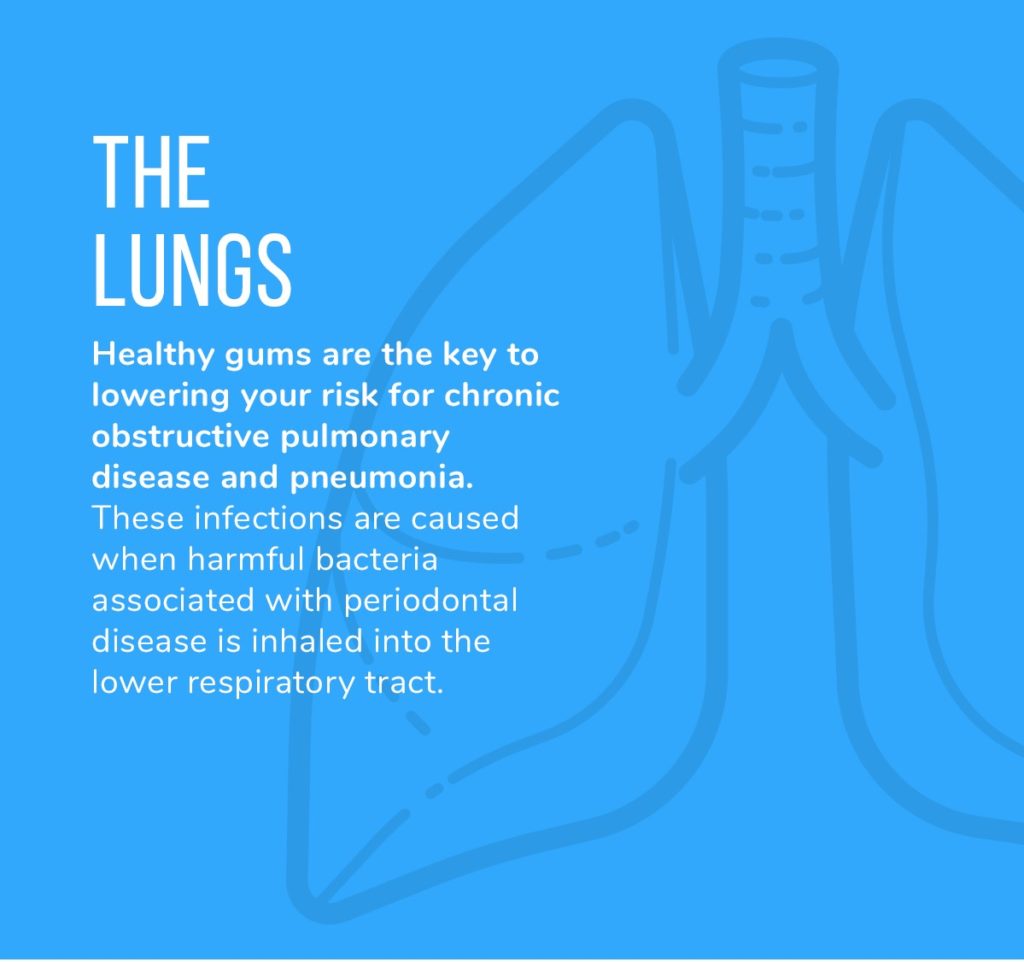
  • Respiratory Issues: Bacteria from the mouth can be inhaled into the lungs, leading to respiratory infections or worsening conditions like COPD.
  • Pregnancy Complications: Pregnant women with gum disease may be at a higher risk for premature birth and low birth weight.

Trust GPS Dental for Your Gum Health

At GPS Dental, Dr. Skrobanek and his expert team are dedicated to helping our patients maintain healthy gums and prevent gum disease. Our team provides comprehensive periodontal care, including early detection, deep cleanings, and advanced treatment options. If you’re experiencing symptoms of gum disease or want to schedule a routine checkup, contact us today. Together, we can protect your smile and overall health for years to come!

Dr. Gary P. Skrobanek is a dental implant dentist and his experienced, friendly team at GPS Dental offer affordable family dentistry and gentle dental care in the San Antonio, TX area. Our Brooks City Base dentist office is conveniently located and offers early morning appointment times Monday through Friday to meet your needs. At GPS Dental, we provide most dental services, from family and general dentistry to dental implantssleep apneaTMJ / TMD Treatmentcosmetic dentistry and much more. We accept most dental insurance plans and offer affordable financial solutions for any budget. Call us at (210) 633-3477 to make an appointment. 

Avoid Gum Disease: What You Need to Know

You may not have heard of Periodontal Disease, if you visit your dentist regularly and you haven’t – that’s probably a good sign! Poor dental hygiene can lead to problems that are more severe than the average cavity or case of bad breath. Periodontal Disease is also known as Gum Disease and almost 50% of adults have some form it.

Gum disease is most commonly the result of poor dental hygiene and is the inflammation of the tissue around the teeth, according to www.medicinenet.com. Here’s the scary part – if left untreated, it can lead to even more serious problems, ranging from tooth loss to heart disease. Knowing the signs, symptoms, and treatment for various stages of gum disease can set you on a proactive path to avoid gum disease and a disappointing trip to the dentist.

Signs & Symptoms of Gum Disease

Do your gums bleed when you brush your teeth? If so, you can assume your gums are sick. Symptoms are key … if you are experiencing ANY gum bleeding, notice any gum pain or mouth sores, and/or pick up on a sour taste in your mouth, do not hesitate – it’s time to schedule a visit to your dentist! Remember, you can avoid gum disease and even reverse the early stages of Gum Disease, but the only way to keep Gingivitis from progressing into Periodontal Disease and other problems is dental treatment.

Someone with gum disease may have the following symptoms/signs:

  • White spots on the gums
  • Gums that are pulling away from the teeth or receding gums
  • Painful to chew
  • Sensitive teeth and gums
  • Loose teeth
  • Bright red, swollen, tender gums
  • Gums that bleed easily – even during normal daily cleaning
  • You may have a bad taste in your mouth or bad breath
  • Uneven bite
  • Ill-fitting dentures

If you are unsure if your symptoms are caused by gum disease, consult your dentist for clarification and make sure to stay on top of regular scheduled professional dental cleanings to reduce your risks.

Related Article: The Dangers of Gum Disease

Stages of Gum Disease

  • Early Stage: Gingivitis – this early stage of gum disease is characterized by the inflammation of the gums and is usually caused by an abundance of tartar or plaque in the mouth. Often, swollen gums bleed easily when brushing or flossing and this beginning stage of the disease is a warning sign to a more serious condition, Periodontitis.
  • Progressed Stage: Periodontitis – If Gingivitis progresses, plaque will extend from the gums to the bone. Once the bone gets the infection, they can form deep gum pockets and collect even more bacteria and plaque and can lead to bone loss or even tooth loss. However, there are different forms of Periodontitis and it is more serious than it may seem at first.
    • Aggressive Periodontitis:
      • rapid gum recession
      • occurring during a period of growth in young people
      • due to vitamin depletion, not bacteria
    • Chronic Periodontitis: 
      • periods of rapid progression and then periods of remission 
      • can happen on its own or in response to dental treatment

Periodontal disease starts with a sticky film of plaque bacteria that forms on your teeth, just like tooth decay (when you’re getting a cavity). If plaque is not removed, it will collect around your gum line and they’ll become inflamed and irritated. This early stage of gum disease is called Gingivitis. The good news is that you can avoid gum disease and it can be reversed easily with consistent and thorough brushing and flossing.

However, if it is not removed regularly, this plaque will harden into tartar. Your gums become increasingly red, swollen, and inflamed as tartar builds up around the gum line and they will eventually pull away from the tooth, forming a loose pocket. As more bacteria and tarter accumulate in these “pockets”, the destructive toxins begin to infect and destroy the gums, bone and ligaments that support your teeth. This advanced phase of Gum Disease is called Periodontitis, or Periodontal Disease. If left untreated, periodontal disease can lead to tooth loss, because the gums can no longer hold your teeth in place.

Tooth Loss Statistics

Here are a few staggering statistics we’d like to share with you:

  • Missing 1 tooth: the average person age 20-39
  • Missing 3+ teeth: the average 40-49-year old
  • Missing 8 teeth: the average 60+ person

We know what you’re thinking … I had my 4 wisdom teeth pulled!! No wonder these numbers are so high!!

Bad News: These statistics do NOT include wisdom teeth that have been removed AND this tooth loss is typically caused by gum disease. Now you understand why it’s our goal to help you AVOID Gum Disease!

Related Article: Tooth Replacement: Are You a Dental Implant Candidate?

Prevention Methods and Treatment

Gum disease is extremely common among adults, but the good news is that it can be easily prevented with good, daily dental care. Hygiene within your mouth is linked to your overall wellbeing, so the importance of preventing gum disease is high. You can avoid gum disease by simply brushing and flossing daily, as well as getting regular professional cleanings from your dentist are all it takes to heavily reduce your risk for gum disease.

However, if gum disease is found, usually the treatment method is simple and your dentist will usually recommend upping your normal hygiene routine at home; making sure you are following the recommended daily guidelines. If Periodontitis is found, a deeper cleaning may be needed to remove the high levels of plaque and bacteria that has infiltrated your gums and bone. This treatment is often called Scaling or Root Planing.

Related Article: Gum Disease Treatments by WebMD

Gum Disease Can Affect More Than Your Smile

Cosmetic: It’s a well-known fact that people with a healthy smile tend to look younger. However, Periodontitis affects much more than the aesthetic look of your pearly white smile and is important for more than cosmetic reasons.

Function: It’s also easy to understand that it’s easier to talk and chew when your teeth are functional and it’s less costly to keep all of your own teeth.

Overall Health: Gum disease is also a systemic disease that is related to the body’s reaction to bacteria that can have far-reaching effects on your overall health. By completely avoiding periodontal disease or treating it, you’re helping to protect your body from other systemic inflammatory conditions, such as heart disease, diabetes, and autoimmune conditions. As well as, osteoporosis, respiratory disease, and cancer.

Gum Disease and Stress: You may think about stress being a factor behind many health problems, but the truth is, stress can also have a negative effect on your oral health as well. Stress can make it harder for our bodies to fight viruses and other harmful bacteria in the body, leaving you more vulnerable to infections. This means that if you’re dealing with gum disease, your body will have a harder time dealing with it and healing.

Teeth grinding, gum disease, and bruxism can all be results from too much stress in your life. Also, if stress is causing you to grind your teeth, smoke cigarettes, or clench your jaw, then it could contribute to gum disease as well. Stress can also make us forget to brush and floss as often as needed, so remember to stay on top of your oral health and self-care routines at home.

Related Article: Mental Health Awareness: There is an Oral and Mental Health Link

What do Healthy Gums Look Like?

Healthy gums are pink, firm, and they do not bleed.

Avoid gum disease by keeping your gums firm, pink and healthy isn’t difficult, but it does require consistent healthy oral care habits. Your main focus is to always keep the harmful oral bacteria to a minimum!

Daily Tips & Tricks for Healthy Gums:

  • Use a soft-bristled toothbrush and fluoride toothpaste to brush thoroughly at least twice a day.
  • Replace toothbrushes every 3 months; frayed bristles don’t clean as well (and old toothbrushes can store bacteria).
  • Flossing once a day is a must.
  • Rinse with an antimicrobial mouthwash to reduce bacteria in the mouth.
  • Fight dry mouth by sipping water throughout the day, chew sugarless gum or suck on sugarless lozenges. Dry mouth creates an environment where bacteria can thrive. Numerous medications and certain illnesses can cause dry mouth.
  • Schedule routine dental appointments every 6 months that include a professional cleaning.
  • Stop Smoking! Tobacco, of any kind, increases the risk of gum disease and makes it harder for gums to heal.
  • DO NOT VAPE! Vaping is not an alternative, even if you’re not using nicotine.
  • If you are Diabetic, you need to be diligent about keeping your diabetes under control, since high sugar levels can increase your risk for gum disease.
  • Opt for healthy snacks. Healthy foods can help lower the risk of gum disease. Bacteria love sugar, so as an alternative, consume water, milk, yogurts, apples, and other healthy options.

If you have children, take this opportunity to review their dental care routines and emphasize the importance of daily tooth care. A clean mouth can´t get sick!

Related Article: Boost Your Immune System through Oral Care and Gum Health

When almost half of Americans suffer some form of gum disease, why wait?

Now you understand why keeping your gums healthy is such an important task – they keep your teeth in place! AND you know what to do to help keep you and your smile in the best possible health and avoid Gum Disease.

At GPS Dental, we take your oral health seriously and want to help you avoid gum disease by checking your oral health and every scheduled cleaning. We are also happy to answer any gum disease questions you have. Take the time to be extra diligent in your normal oral health routine to reduce your risk for gum disease.

If you have questions or concerns about your gum health, please give us a call, Dr. Skrobanek and his experienced team at GPS Dental in San Antonio will be happy to schedule your dental appointment and help you keep your gums, teeth and mouth healthy. Please call our office at 210-633-3477 to schedule your dental appointment.

Dr. Gary P. Skrobanek’s experienced and friendly team at GPS Dental offers affordable dental care for all ages in San Antonio, TX area. Our Brooks City Base dentist office is conveniently located and offers early morning appointment times Monday through Friday to meet your needs. At GPS Dental, we promote dental health awareness to our patients and provide most dental services, from family and general dentistry to dental implantssleep apneaTMJ / TMD Treatmentcosmetic dentistry and much more. We accept most dental insurance plans and offer affordable financial solutions for any budget. Call us at 210-633-3477 to make an appointment.

Thyroid Disease: Link Between Hashimoto’s and Gum Disease

Link between thyroid disease, Hashimotos, and Gum Disease

You may have heard the common phrase, “all disease starts in the gut.” A phrase that was coined over 2,000 years ago, which has been attributed to Hippocrates, the Greek founder of medicine. While that phrase is true, it’s also true that the mouth is often the window to the entire body. Meaning that if something isn’t right in your system, it’ll show signs in your mouth.

This means that your mouth is connected to more than just your teeth or even your gut – it’s connected to your thyroid, liver, kidneys, and all other parts of your body. In the past few years, the scientific community has determined the link between thyroid disease, and Hashimoto’s, with gum disease. According to Dr. Izabella Wentz, a doctor of pharmacy, “the same bacteria that contribute to gum disease or periodontitis produce an inflammatory response associated with Hashimoto’s thyroiditis—the underlying cause of hypothyroidism.”

Learn more from Dr. Wentz: Periodontitis, a Trigger for Hashimoto’s?

Gum Disease/Periodontitis

Gum disease, also known as periodontitis, happens when your gums become inflamed from bacteria in the mouth. This can lead to:

  • Loose teeth
  • Receding gum line
  • Bone loss in the jaw
  • Tooth loss

Gum disease is common and effects up to half of Americans over the age of 30, according to the Centers for Disease Control. If you’re seeing blood when brushing or flossing your teeth, it could be the first sign of gum disease, so it’s important to stay on top of your oral health routine and to see your dentist regularly for checkups and cleanings. So, what’s the link between Hashimoto’s and gum disease? The proof is in the bacteria.

Case Study:

Please read the below clinical case report of Hashimoto’s thyroiditis and its impact on the treatment of chronic periodontitis (link below):

https://www.njcponline.com/article.asp?issn=1119-3077;year=2012;volume=15;issue=1;spage=112;epage=114;aulast=Patil#:~:text=The%20strongest%20type%20of%20causal,the%20outcome%20of%20periodontal%20therapy.

Linking Bacteria to Thyroid Disease and Hashimoto’s

According to Dr. Wentz, the link is in molecular mimicry. While that may sound confusing, let’s break down the basics of it all:

  • The bacteria in our mouth, which is causing gum disease, is also causing inflammation in the rest of our body.
  • People with Hashimoto’s often have gum disease. When they experience flare-ups in their disease, they also experience flare-ups in their gums – showing a connection.

“Molecular mimicry is an autoimmune theory suggesting that bacterial cells or other proteins (such as food proteins) have a similar appearance to the cells that make up parts of the human body, or “self-antigens.”, says Dr. Mentz.

So, when bacteria are around, our body is not only attacking the bacteria, but also parts of our body that have similar proteins. Meaning our body could be attacking the bacteria in our gums, and also the proteins in our thyroid.

The relationship from the National Library of Medicine: Relationship between hypothyroidism and periodontitis: A scoping review

Gum Disease is linked to other diseases. Learn more:

Protect Your Thyroid and Your Mouth

The evidence for good dental hygiene is stronger than ever. Regular brushing and flossing are essential for not only good oral health, but good overall health. The thyroid can have huge impacts on all aspects of your body, and your mouth could very well be impacted through gum disease. If you’re concerned about signs of thyroid or Hashimoto’s, speak with your doctor about testing your thyroid.

GPS Dental Offers Help

Now that you understand a little more about the link between Hashimoto’s and Gum Disease, GPS Dental can help. At GPS Dental, we offer treatment for our patients with Gum Disease with thorough dental cleanings that you may not find through other dental offices. Call 210-633-3477 to schedule your dental exam and cleaning, remember it can lead to early detection and diagnosis of disease. Make sure to mention any changes in your health, new medications, and especially if you are seeing blood after brushing or flossing your teeth.

Dr. Skrobanek and his team at GPS Dental are accepting new patients and look forward to meeting you and your family.

Dr. Gary P. Skrobanek is a dental implant dentist and his experienced, friendly team at GPS Dental offer affordable family dentistry and gentle dental care in the San Antonio, TX area. Our Brooks City Base dentist office is conveniently located and offers early morning appointment times Monday through Friday to meet your needs. At GPS Dental, we provide most dental services, from family and general dentistry to dental implantssleep apneaTMJ / TMD Treatmentcosmetic dentistry and much more. We accept most dental insurance plans and offer affordable financial solutions for any budget. Call us at (210) 633-3477 to make an appointment.

Is there a link between Pneumonia and Poor Oral Health?

Anyone and everyone can get pneumonia. In fact, according to a study by Science Daily, over 1 million Americans are infected with pneumonia every year. Furthermore, studies have also shown that there is a link between oral health and your risk for getting pneumonia – with people who never get dental checkups having an 86 percent higher risk of getting pneumonia.

More information about geriatric oral health and pneumonia risk HERE.

Pneumonia & Poor Oral Health: Pneumonia Prevention

Knowing that there is a link between pneumonia and poor oral health, one can assume that good oral health can help prevent pneumonia. According to scholar, Koichiro UEDA, “In recent years, the need for oral care in preventing aspiration pneumonia has been recognized across the academic disciplines.”

Pneumonia prevention consists of:

Regular Dental Cleanings

Regular cleanings and visits to the dentist will greatly reduce the number of harmful bacteria and plaque in the mouth. This keeps your mouth healthy and less at risk. On the flip side, when dental cleanings are ignored, there is a much greater risk for bacterial pneumonia because the bacteria are thriving in your mouth. According to Michelle Doll, MD, “In the case of bacteria that cause pneumonia, for example, they have to be inhaled to cause an infection. Getting regular cleanings and check-ups may reduce the amount of these bacteria.”

Read more on the importance of dental cleanings from Health.com HERE.

Related Articles:

Clean Teeth and Clean Lungs

Did you know that dental cleanings do much more than just clean your teeth and improve your oral health? They’re also beneficial for your lungs!

Here’s the basic rundown.

  • Dental cleanings reduce bacteria in the mouth.
  • When bacteria are reduced in the mouth, it doesn’t get into the lungs.
  • This also reduces your risk for lung infection and helps keep your lungs bacteria free.

Learn more from WebMD about oral health and lung health HERE.

As you can see the link between pneumonia and poor oral health is a true concern, especially for our older dental patients. It’s clear that oral health is connected to your overall health, so remember to take care of your smile and your body will thank you!

Dr. Gary P. Skrobanek’s experienced and friendly team at GPS Dental offers affordable dental care for all ages in San Antonio, TX area. Our Brooks City Base dentist office is conveniently located and offers early morning appointment times Monday through Friday to meet your needs. At GPS Dental, we promote dental health awareness to our patients and provide most dental services, from family and general dentistry to dental implantssleep apneaTMJ / TMD Treatmentcosmetic dentistry and much more. We accept most dental insurance plans and offer affordable financial solutions for any budget. Call us at 210-633-3477 to make an appointment.