



Tag Archives: oral hygiene

A Fresh Start for Your Smile: Post-Holiday Dental Tips to Kick Off a Healthy New Year

A Fresh Start for Your Smile: Post-Holiday Dental Tips to Kick Off a Healthy New Year

The holiday season brings joy, celebration, and memories with family and friends—but it also brings a LOT of sugary treats, busy schedules, late-night festivities, and stress. All of these things can take a toll on your teeth and gums without you even realizing it.

As we turn the page into a new year, it’s the perfect time to reset, refresh, and give your smile the care it deserves. At GPS Dental, we believe that strong oral health sets the foundation for total-body wellness. That’s why this follow-up blog focuses on what your smile needs after the holidays and how you can head into the new year healthier, brighter, and more confident.

Let’s dive into the best post-holiday strategies to protect your teeth and prioritize your oral health.

1. Give Your Smile a “Holiday Recovery Plan”

After weeks of cookies, candies, holiday drinks, and late-night snacks, your teeth have worked overtime. A post-holiday recovery doesn’t need to be complicated—it just needs to be consistent.

Start with the basics:

  • Brush twice a day for a full two minutes
  • Floss once daily
  • Use fluoride toothpaste
  • Rinse with an alcohol-free mouthwash

These foundational habits help reverse the effects of holiday indulgence and protect your enamel as you re-establish your routine.

Add a little extra support:

If your mouth feels sensitive, irritated, or dry after the holidays, consider:

  • A fluoride rinse
  • Switching to a soft-bristle toothbrush
  • Using toothpaste formulated for sensitivity

Small adjustments can make a big difference in restoring comfort.

2. Rebalance Your Diet for Stronger Teeth

Holiday meals are delicious—but they often come with sugary snacks, acidic beverages, and carb-heavy foods that weaken enamel and feed cavity-causing bacteria.

Now is the perfect time to rebalance your diet with smile-friendly foods:

Great choices include:

  • Crunchy fruits & veggies (apples, celery, carrots)
  • Calcium-rich foods (yogurt, cheese, leafy greens)
  • Lean proteins for gum health (salmon, chicken, beans)
  • Water, water, and more water

Cut back on:

  • Sugary desserts
  • Sticky candies
  • Acidic beverages like soda and wine
  • Constant snacking

A nutrient-rich diet supports healthier gums, stronger enamel, and fresher breath—something we all appreciate after the holiday rush!

3. Address Holiday Stress and Grinding

Holiday stress doesn’t disappear at midnight on New Year’s Eve. Many people carry tension into January, especially after weeks of travel, hosting, planning, and overscheduling.

Stress often shows up in your mouth through:

  • Jaw clenching
  • Teeth grinding (bruxism)
  • Worn or cracked teeth
  • Headaches
  • Jaw soreness

If you wake up with jaw pain or tightness, that’s a sign.

GPS Dental can create a custom nightguard to protect your teeth while you sleep. Wearing a nightguard can prevent fractures, enamel wear, and chronic pain—making it one of the best investments in your long-term dental health.

4. Make a Post-Holiday Cleaning Your First Appointment of the Year

During the holidays, plaque and tartar build up more quickly due to:

A professional dental cleaning is the perfect “reset button” for your smile.

  • Extra sugar intake
  • Interrupted routines
  • Increased snacking
  • Changes in travel or sleep patterns

Even the best brushing can’t remove hardened tartar, but a professional cleaning can. It also helps:

  • Freshen breath
  • Reduce gum inflammation
  • Remove surface stains
  • Catch early dental problems

Many patients tell us that a January cleaning helps them feel renewed and motivated—just like starting a fitness or wellness plan.

5. Set Smile Goals That Fit Your Lifestyle

The new year is a great time to think about what you want for your smile in the months ahead. Whether you’re focused on health, appearance, or comfort, creating specific goals helps you stay on track.

Here are some achievable smile goals for 2025:

  • Replace your toothbrush every 3 months
  • Floss every day
  • Schedule two cleanings this year
  • Reduce sugary beverages
  • Drink more water
  • Complete needed dental treatments
  • Explore cosmetic options if you want a confidence boost

GPS Dental can help you build a personalized plan based on your needs.

6. Consider the Long-Term Benefits of Preventive Care

Preventive dental care is one of the smartest and most cost-effective health decisions you can make. Small problems—like tiny cavities or early gum inflammation—are much easier (and less expensive) to treat early.

By prioritizing your dental health after the holidays, you’re:

  • Reducing your risk of dental emergencies
  • Improving your overall wellness
  • Supporting better digestion
  • Reducing inflammation in the body
  • Boosting self-confidence

A healthy smile doesn’t just look good—it contributes to long-term health in powerful ways.

7. Start the Year With a Confident Smile

January is a month of fresh starts, and your dental care should be part of that renewal. Whether you’re returning to routine, setting goals, or completing dental work you’ve been putting off, we’re here to support you.

Your smile deserves care, attention, and protection—especially after the busy holiday season. At GPS Dental, our team is committed to helping you maintain long-term oral health with comfortable, personalized care that supports your whole body wellness.

Let GPS Dental Help You Start the New Year With a Healthy, Happy Smile

Whether you need a cleaning, an exam, or help rebuilding healthy habits, GPS Dental is here for you.

Your smile made it through the holidays—now let’s make sure it thrives throughout the year.

Call us today to schedule your post-holiday appointment and start the new year smiling with confidence!

Dr. Gary P. Skrobanek is a dental implant dentist and his experienced, friendly team at GPS Dental offer affordable family dentistry and gentle dental care in the San Antonio, TX area. Our Brooks City Base dentist office is conveniently located and offers early morning appointment times Monday through Friday to meet your needs. At GPS Dental, we provide most dental services, from family and general dentistry to dental implantssleep apneaTMJ / TMD Treatmentcosmetic dentistry and much more. We accept most dental insurance plans and offer affordable financial solutions for any budget. Call us at (210) 633-3477 to make an appointment.
Holiday Smiles: How to Protect Your Teeth During the Festive Season and Start the New Year Right

Holiday Smiles: How to Protect Your Teeth During the Festive Season and Start the New Year Right

The holiday season is a time for celebration, laughter, and making memories with the people who matter most. From festive gatherings and sweet treats to late-night parties and travel, it’s a joyful but busy time of year. While you’re focused on wrapping gifts, planning meals, and soaking up holiday cheer, your dental health might not be top of mind—but it should be!

At GPS Dental, we want your smile to stay merry and bright throughout the season and into the new year. Here’s what you need to know about caring for your teeth during the holidays and how a little attention now can set you up for a healthier, happier year ahead.

1. Holiday Treats Are Fun—But They Can Be Tough on Teeth

Cookies, candies, pies, holiday cocktails, and sugary snacks seem to appear everywhere you go. While enjoying your favorite holiday treats is part of the fun, overindulging can impact your dental health.

Why Sugar Is a Problem

Sugar feeds oral bacteria, which then produce acids that attack tooth enamel. This increases the risk of cavities and gum irritation—especially when indulging becomes a daily habit throughout December.

Tips to Protect Your Smile

  • Limit sticky sweets like caramels, taffy, and gummies. They cling to teeth and are harder to wash away.
  • Drink water between treats to help rinse sugars and maintain saliva flow.
  • Avoid snacking all day. Frequent grazing means constant acid attacks on your enamel.
  • Follow the 20-minute rule: If you’re going to indulge, enjoy your treat within a 20-minute window instead of stretching it out over an hour or more.

Enjoy your favorites—just be mindful and consistent with your dental care routine.

2. Staying Hydrated Helps More Than You Think

Between festive cocktails, holiday coffee drinks, and long to-do lists, water often takes a backseat. But hydration is essential for good oral health.

Why Water Matters

  • It washes away food particles and sugars.
  • It stimulates healthy saliva production, which protects enamel.
  • It helps keep your breath fresh—especially during holiday events!

Try keeping a water bottle with you while shopping, traveling, or attending holiday functions. Your smile will thank you.

3. Holiday Stress Can Affect Your Smile

The holidays are joyful, but they can also be stressful. Stress may trigger teeth grinding or clenching (bruxism), jaw soreness, headaches, or chips and fractures in teeth. People often don’t realize they’re grinding until symptoms appear.

Ways to Protect Yourself

  • Practice deep breathing, stretching, or short breaks during the day.
  • Avoid chewing ice or hard candies, which can worsen jaw tension.
  • If grinding is a problem, talk to GPS Dental about a custom nightguard to protect your teeth while you sleep.

Managing stress benefits your whole body—including your smile.

4. Don’t Skip Your Dental Routine While Traveling

Whether you’re traveling or hosting family, it’s easy to fall out of your routine. But skipping brushing or flossing — even for a couple of days — can increase plaque buildup and irritation.

On-the-Go Dental Tips

  • Pack a travel toothbrush, toothpaste, and floss in your carry-on.
  • Keep a small dental kit in your purse or holiday bag when you’re on the move.
  • If you forget your toothbrush, rinse with water or chew sugar-free gum until you can get a replacement.

Little habits add up, especially during a busy season.

5. Start the New Year With a Healthier Smile

As the year winds down, it’s a great time to set dental goals for the new year. Many patients start fresh with healthy habits or schedule dental visits early to set the tone for the months ahead.

Consider These Smile-Boosting Resolutions

  • Brush twice and floss once daily.
  • Replace your toothbrush every 3 months or after illness.
  • Limit sugary drinks, especially sodas and sweet coffees.
  • Keep up with dental cleanings every 6 months.
  • Invest in needed treatments—small issues now can become major problems later.

The new year is the perfect time to commit to a brighter, healthier smile.

6. Schedule Your Post-Holiday Cleaning and Checkup

After weeks of travel, treats, and holiday gatherings, your teeth will appreciate some extra attention. A professional cleaning removes plaque and tartar that brushing alone can’t handle.

A post-holiday dental visit can help:

  • Catch cavities early
  • Remove stubborn tartar buildup
  • Treat gum irritation
  • Freshen your breath
  • Set dental goals for the year ahead

Plus, starting the year with a clean smile can boost your confidence and motivate you to maintain good habits.

7. Make the Most of Your Dental Benefits

Many insurance plans reset at the start of the year. If you have unused benefits, January is a smart time to schedule needed care, especially if you’ve reached your deductible or have coverage available.

Whether you want to plan fillings, crowns, or cosmetic improvements, using your benefits wisely can save money and help prioritize your health.

Let GPS Dental Help You Keep Your Smile Bright All Season Long

The holidays should be full of joy — not dental discomfort. With a few smart habits and regular checkups, you can enjoy the season without sacrificing your oral health. At GPS Dental, we’re here to support you with compassionate care, personalized attention, and a welcoming environment that keeps your smile in great shape all year long.

Start the new year right—schedule your appointment today and give yourself the gift of a healthier, brighter smile.

Dr. Gary P. Skrobanek is a dental implant dentist and his experienced, friendly team at GPS Dental offer affordable family dentistry and gentle dental care in the San Antonio, TX area. Our Brooks City Base dentist office is conveniently located and offers early morning appointment times Monday through Friday to meet your needs. At GPS Dental, we provide most dental services, from family and general dentistry to dental implantssleep apneaTMJ / TMD Treatmentcosmetic dentistry and much more. We accept most dental insurance plans and offer affordable financial solutions for any budget. Call us at (210) 633-3477 to make an appointment.
Understanding Your Dental Insurance: What Patients Need to Know Before the End of 2025

Understanding Your Dental Insurance: What Patients Need to Know Before the End of 2025
A follow-up guide from GPS Dental in San Antonio

At GPS Dental in San Antonio, we know that understanding dental insurance can feel confusing — even overwhelming. Every plan is different, and benefits can vary not just from company to company, but even between two employees on the same plan. That’s why we want to break it down clearly, so you can make informed decisions before your 2025 benefits expire.

This follow-up blog digs deeper into the details patients need to know — the fine print that can make a big difference in how much you save and how effectively you use your benefits.

1. Annual Maximums: Your Benefit Ceiling

The annual maximum is the total amount your dental insurance will pay toward your dental care in a given year. For most plans, this number ranges between $1,000 and $2,000.

Here’s the catch:
If you don’t use your full maximum by December 31, the remaining balance doesn’t roll over — it simply disappears.

👉 Example:
If your plan pays up to $1,500 per year and you’ve only used $400 by November, you still have $1,100 available — but only until December 31. After that, it resets to zero.

Tip: Ask our GPS Dental team to review your remaining benefits and identify which treatments make the most sense to complete this year.

2. Deductibles: What You Pay First

Just like with medical insurance, a deductible is the amount you must pay before your insurance starts covering certain procedures.

  • Deductibles often apply to restorative services, like fillings or crowns.
  • They usually don’t apply to preventive care, like cleanings and exams.

Most plans set a deductible between $25–$100 per person per year. Once you’ve met that deductible, your insurance begins paying its portion of the treatment cost for the rest of the year.

If you’ve already met your deductible for 2025, it’s smart to complete any remaining treatment now — before it resets in January.

3. Frequency Limitations: Why Timing Matters

Most dental plans have frequency limitations that determine how often you can receive certain procedures within a specific time frame. Common examples include:

  • Cleanings and exams: Every 6 months or twice per calendar year
  • Bitewing x-rays: Once per year
  • Full-mouth x-rays: Every 3–5 years
  • Fluoride treatments: Once or twice per year, sometimes only for patients under 18

These limits can affect when you’re eligible for certain services, so timing your appointments strategically helps maximize your benefits.

At GPS Dental, our scheduling team can help you coordinate appointments to stay within your plan’s frequency guidelines and avoid paying out-of-pocket unnecessarily.

4. Coverage Levels: The 100-80-50 Rule

Most insurance plans follow a tiered structure known as the 100-80-50 Rule:

  • 100% coverage for preventive services (cleanings, exams, x-rays)
  • 80% coverage for basic restorative work (fillings, extractions)
  • 50% coverage for major procedures (crowns, bridges, dentures)

Understanding these percentages can help you estimate your out-of-pocket costs and decide when to schedule bigger treatments.

Tip: Major treatments often have higher co-pays, so splitting them between 2025 and 2026 can spread out your costs while maximizing coverage from both years.

5. Waiting Periods and New Policy Details

If you recently got new dental insurance — whether through a job change or open enrollment — pay attention to waiting periods.

Some plans require you to wait 6–12 months before they’ll cover certain treatments like crowns, root canals, or periodontal therapy. However, preventive care is usually covered right away.

If you’re unsure what your waiting period covers, our insurance experts at GPS Dental can contact your provider directly and explain your eligibility before scheduling major procedures.

6. Understanding Pre-Authorizations and Estimates

For more extensive treatments, such as root canals, implants, or full-mouth restorations, insurance companies often recommend or require pre-authorization (sometimes called a “pre-determination”).

This step lets us submit your treatment plan to your insurance provider before treatment begins. You’ll then receive an estimate of what the insurance will pay and what your out-of-pocket responsibility will be.

It’s not a guarantee of payment, but it’s a useful way to budget and avoid surprises.

At GPS Dental, we handle this process for our patients — we’ll gather the documentation, x-rays, and clinical notes your insurance needs to provide a pre-authorization quickly.

7. Flex Spending Accounts (FSA) and Health Savings Accounts (HSA)

In addition to dental insurance, you might have access to a Flexible Spending Account (FSA) or Health Savings Account (HSA) through your employer.

Here’s the difference:

  • FSAs are use-it-or-lose-it. You must spend your funds by December 31, or you forfeit what’s left.
  • HSAs roll over from year to year, so you can save up for larger expenses.

Both types of accounts can typically be used for dental expenses like fillings, crowns, and even orthodontics. Using these funds before your FSA expires is a smart way to reduce your taxable income and get needed care.

8. Periodontal Maintenance and Ongoing Care

If you’ve been diagnosed with periodontal (gum) disease, your insurance may cover specialized maintenance visits several times per year.

However, many plans track these as separate benefits from standard cleanings, so missing or delaying appointments could mean losing covered visits for the year. Regular periodontal cleanings are essential to control infection and prevent more serious health issues — and staying on top of them helps you fully use your plan’s preventive and therapeutic coverage.

9. Common Mistakes That Cost Patients Money

Here are a few costly errors we see patients make each year:

  • Waiting until December to schedule — appointment slots fill up quickly!
  • Skipping the second cleaning because “my teeth feel fine.” (You’ve already paid for it through your premiums!)
  • Assuming all procedures are covered the same — every plan is different.
  • Not checking annual maximums — many patients are surprised to find they still have hundreds of dollars available.

Don’t let that happen to you! A quick review with our GPS Dental team can help you understand exactly what’s left on your plan.

10. Let GPS Dental Simplify the Process for You

We know insurance jargon isn’t anyone’s favorite topic — but understanding it helps you save money and protect your smile. At GPS Dental, our San Antonio team works with most major insurance plans, verifies benefits, submits claims, and provides treatment estimates so you always know what to expect.

Our goal is to make your dental care as easy and affordable as possible, while ensuring you never miss out on benefits you’ve earned.

Don’t Wait — Schedule Now Before the Year Ends!

The closer we get to the holidays, the busier our schedule becomes. Beat the rush by booking your preventive care or completing any pending treatment now.

📅 Call GPS Dental at (210) 633-3477 to schedule your appointment and review your remaining 2025 insurance benefits.
Let’s make sure every dollar you’ve paid toward your dental plan works for you — helping you start 2026 with a healthy, confident smile!

Dr. Gary P. Skrobanek is a dental implant dentist and his experienced, friendly team at GPS Dental offer affordable family dentistry and gentle dental care in the San Antonio, TX area. Our Brooks City Base dentist office is conveniently located and offers early morning appointment times Monday through Friday to meet your needs. At GPS Dental, we provide most dental services, from family and general dentistry to dental implantssleep apneaTMJ / TMD Treatmentcosmetic dentistry and much more. We accept most dental insurance plans and offer affordable financial solutions for any budget. Call us at (210) 633-3477 to make an appointment.

Why the Oral Microbiome Matters: How Your Mouth Reflects and Affects Your Overall Health

Why the Oral Microbiome Matters: How Your Mouth Reflects and Affects Your Overall Health

When people think about dental health, they often focus on cavities, cleanings, or cosmetic concerns. But one of the most fascinating — and increasingly important — topics is rarely discussed: the oral microbiome. That’s the diverse community of bacteria, fungi, viruses, and other microorganisms living in your mouth.

At GPS Dental, Dr. Skrobanek and our team believe this topic is not just interesting — it’s essential. Because new research shows that what’s happening in your mouth affects far more than just your teeth and gums. It connects deeply with your overall wellness, especially in the age of increasing awareness around systemic health issues such as diabetes, heart disease, immune function, and more.

Here’s what you need to know about the oral microbiome, why keeping it in balance is important, and what you can do to protect it.


What Is the Oral Microbiome?

Your mouth is one of the most microbiologically rich environments in your body. From your tongue to the nooks between teeth, your gums, palate, and even under the tongue, hundreds of species of microorganisms live there. They include bacteria that are beneficial, commensal (neutral), and potentially harmful.

In health, there is a balanced ecosystem. Good bacteria help control harmful bacteria, aid in digestion, protect the mucosal barriers, and even influence immune responses. But when the balance gets disturbed — a state called dysbiosis — problems begin: overgrowth of disease-causing organisms, inflammation, and risk of both local (in the mouth) and systemic health issues.


How the Oral Microbiome Impacts Systemic Health

Recent studies have found strong connections between changes in the oral microbiome and several systemic diseases. Here are some of the ways your oral health can influence your body as a whole:

  1. Heart Disease & Cardiovascular Health
    Chronic gum disease and certain oral bacteria have been linked to inflammation and plaques in arteries, increasing risk of heart disease and stroke. IFM+2PubMed+2
  2. Diabetes
    Not only does poor oral health make blood sugar control more difficult, but diabetic conditions can worsen oral dysbiosis, creating a vicious cycle. The immune system changes in diabetes can cause more aggressive periodontal disease. PubMed+1
  3. Inflammatory and Autoimmune Conditions
    Diseases like rheumatoid arthritis, lupus, and others have been shown to alter the oral microbiota, increasing some bacterial species associated with disease, reducing beneficial ones. Conversely, oral infections may influence or worsen systemic inflammation. SAGE Journals+2MDPI+2
  4. Adverse Pregnancy Outcomes
    Some studies point out that mothers with poor oral health and more harmful bacteria are at higher risk for premature birth, low birth weight, or preeclampsia. Oral bacteria may enter systemic circulation or provoke inflammatory responses. PubMed+1
  5. Cancer & Other Emerging Links
    Emerging research suggests that dysbiosis in the oral microbiome may correlate with risk of some cancers (e.g. oral cancer, possibly pancreatic) and may be a factor in overall immune health and tumor pathology. PubMed+1

Why This Matters Right Now

There are a few reasons why revisiting the oral microbiome is especially relevant:

  • We’re seeing more awareness of how chronic inflammation, immune dysregulation, and systemic disease are connected. Oral health is now recognized by medical fields as part of that picture.
  • Patients are increasingly interested in holistic health, prevention, and not just treating issues once they appear. Understanding how the mouth contributes to—or safeguards against—disease aligns well with that shift.
  • For San Antonio and similar areas, where rates of diabetes, heart disease, obesity, and other systemic concerns are significant, anything we can do to reduce inflammation and bacterial load is valuable.

Signs That Your Oral Microbiome Might Be Out of Balance

How do you know if something might be off in your mouth’s microbial ecosystem? Here are some possible indicators:

  • Persistent bad breath despite good brushing and flossing
  • Chronic gum inflammation, bleeding gums, or gums that recede
  • Tooth decay recurring despite good care
  • Dry mouth (xerostomia), especially at night
  • Mouth sores, infections, or slow healing after procedures
  • Maybe even general health signs: fatigue, poor blood sugar control, or frequent illness

If you notice any of these, it may be a signal that your oral microbiome is struggling.


What GPS Dental Can Do to Help

At GPS Dental, Dr. Skrobanek and our team take oral-systemic connections seriously. Here’s how we are helping patients protect not just their smile but their overall health:

  1. Routine Exams That Look Deeper
    During your checkups and cleanings, we don’t just remove plaque — we assess gum health, look for signs of inflammation or infection, and check for factors that could cause imbalance.
  2. Periodontal Care When Needed
    For patients with periodontitis or other gum disease, we offer more frequent maintenance visits, thorough cleaning below the gum line (scaling/root planing), monitoring, and when needed, adjunctive therapies to reduce harmful bacterial overload.
  3. Patient Education
    We’ll talk about habits that impact the oral microbiome: sugar intake, hygiene routines, smoking or vaping, dry mouth, and even stress. You’ll gain knowledge to keep your oral bacteria balanced.
  4. Technology & Diagnostic Tools
    Using digital imaging, thorough charting, maybe even microbiome tests or saliva diagnostics in the future ‒ GPS Dental is committed to staying current and using tools that help track and understand microbial health.
  5. Collaborative Care
    Because your oral health is connected to your overall health, we’ll work with your physician or specialists when needed (diabetes care, cardiology, etc.) to coordinate care that supports your whole-body wellness.

What You Can Do at Home to Support a Healthy Oral Microbiome

While dental visits are essential, your daily habits play a huge role. Here are some steps you can take:

  • Brush twice a day using good technique and fluoride toothpaste
  • Floss daily to disrupt biofilms between teeth
  • Stay hydrated; saliva helps flush out bacteria and neutralize acids
  • Limit sugary snacks and acidic drinks that feed harmful bacteria
  • Avoid tobacco and limit alcohol use
  • Manage conditions like dry mouth, possibly with saliva substitutes or rinses
  • Consider probiotics or mouth rinses if recommended by your dental provider

Final Thoughts

The oral microbiome is no longer just a curiosity — it’s a living ecosystem that has real effects on your teeth, gums, and the rest of your body. When it’s balanced, the mouth works in harmony with overall health. When it’s not, there can be ripple effects far beyond cavities.

At GPS Dental, our goal is to help you maintain a healthy microbiome, reduce risks, prevent disease, and enjoy not just a beautiful smile, but a healthier life. If you haven’t had a full periodontal check, or you’ve noticed any warning signs above, now is a great time to schedule an appointment.

📞 Call us today at (210) 633-3477 to talk about your oral health beyond just teeth — your whole-body health starts with your smile.

Dr. Gary P. Skrobanek is a dental implant dentist and his experienced, friendly team at GPS Dental offer affordable family dentistry and gentle dental care in the San Antonio, TX area. Our Brooks City Base dentist office is conveniently located and offers early morning appointment times Monday through Friday to meet your needs. At GPS Dental, we provide most dental services, from family and general dentistry to dental implantssleep apneaTMJ / TMD Treatmentcosmetic dentistry and much more. We accept most dental insurance plans and offer affordable financial solutions for any budget. Call us at (210) 633-3477 to make an appointment. 

Why Summer is the Perfect Time to Schedule Your Child’s Dental Checkup

As the school year winds down and families start planning for summer vacations, camps, and activities, one important task often gets overlooked: your child’s dental checkup. At GPS Dental, we believe that summer is one of the best times to schedule dental visits for kids — and it’s not just because everyone’s schedules are a little more relaxed.

Let’s explore why summer is the perfect season to prioritize your child’s oral health, what to expect during a dental visit, and how you can set your child up for a healthy, confident smile heading into the new school year.

1. Summer = Schedule Flexibility

During the school year, it can be tough to squeeze in dental appointments without missing class or extracurriculars. Between homework, sports, and family obligations, your calendar is packed. But when summer rolls around, schedules open up, making it easier to:

  • Find a convenient appointment time
  • Bring in multiple children at once
  • Follow through with any needed follow-up treatments

At GPS Dental, we see a surge in family appointments during June and July — and we recommend booking early so you get your preferred time slot.

2. Prevent Problems Before the School Year Begins

Toothaches don’t wait for the weekend — and they certainly don’t wait for winter break. Scheduling your child’s exam during the summer gives us time to catch and treat any potential issues before they become emergencies. This includes:

  • Early signs of cavities
  • Gum inflammation
  • Crowding or bite issues
  • Problems with baby teeth not falling out on schedule

By addressing these problems early, we help your child avoid missed school days and stay focused on learning — not on dental pain.

3. Perfect Timing for Preventive Care

Summer is an ideal window for important preventive dental treatments like:

🛡️ Dental Sealants

These are thin, protective coatings applied to the chewing surfaces of molars to prevent cavities. Sealants are especially effective for school-age children who are just mastering their brushing skills.

💎 Fluoride Treatments

Fluoride strengthens enamel and helps prevent decay — especially important after a year of snacking, sipping, and possibly skipping proper brushing.

👄 Custom Mouthguards

If your child is playing sports (whether it’s baseball, basketball, or football), a custom-fit mouthguard helps protect their teeth from injury.

These quick, painless treatments can protect your child’s smile all year long.

4. Start Orthodontic Conversations Early

Did your child’s dentist mention a possible need for braces or clear aligners? Summer is a great time to begin the conversation.

If your child is age 7 or older and has not yet had an orthodontic evaluation, now is the time. Early intervention can help guide jaw development and prevent more serious alignment issues down the road.

GPS Dental offers orthodontic consultations and can help you explore your options — including traditional braces and SureSmile clear aligners for teens.

5. Avoid the Summer Sugar Trap

Let’s be honest: summer is full of sugary snacks, frozen treats, and sweet drinks. Popsicles, slushies, lemonade, soda, candy from the pool snack bar — they’re everywhere!

While an occasional treat is perfectly fine, an increase in sugar exposure (combined with less structured brushing routines) can lead to:

  • Plaque buildup
  • Increased risk of cavities
  • Early signs of enamel erosion

A summer dental cleaning gives us a chance to clean away any buildup and remind kids about good brushing habits — especially as they navigate summer indulgences.

6. Boost Confidence Before the First Day of School

There’s nothing like a clean, healthy smile to give kids a confidence boost. Whether your child is starting kindergarten or heading into high school, making sure they start the school year with a healthy mouth can help them:

  • Feel better about their appearance
  • Speak more confidently
  • Avoid embarrassment from dental discomfort

A simple cleaning and checkup can go a long way in building that back-to-school confidence!

7. Time for Treatment If Needed

If your child does need any dental work — such as fillings, a crown, or an extraction — summer gives you more time to complete treatment before school starts again.

Some procedures may require multiple appointments, or a little extra recovery time. Getting this done during summer avoids scheduling conflicts and reduces stress for both parents and kids.

What to Expect at Your Child’s Dental Visit

At GPS Dental, we make dental visits fun and fear-free. Here’s what a typical pediatric appointment includes:

  • A gentle cleaning to remove plaque and tartar
  • A thorough exam to check teeth, gums, and bite development
  • Digital X-rays (if needed) to spot problems we can’t see
  • A fluoride treatment to strengthen enamel
  • Tips and guidance on brushing, flossing, and nutrition
  • Time for parents to ask questions and get personalized advice

Our team is trained in working with children of all ages and will always go the extra mile to make your child feel safe and comfortable.

How to Prepare Your Child for Their Appointment

You can help set the stage for a positive dental experience with these simple tips:

  • Talk positively about the dentist (avoid words like “pain” or “shot”)
  • Let them bring a comfort item, like a small toy or stuffed animal
  • Read a book about going to the dentist to help ease fears
  • Plan something fun afterward, like a trip to the park or a movie

The goal is to make dental care a normal, even exciting, part of your child’s routine.

Book Early — Appointments Fill Fast!

Summer appointments are in high demand, and we want to make sure your family gets the care you need at a time that works for you. We recommend calling early to book your child’s checkup — especially if you have multiple kids or need late afternoon times.

Final Thoughts: Set Your Child Up for a Healthy School Year

Taking care of your child’s teeth now means fewer problems — and fewer interruptions — once school is back in session. At GPS Dental, we’re proud to support our community’s families by making dental care accessible, stress-free, and fun.

If it’s been more than six months since your child’s last exam, don’t wait! Summer is the perfect time to check in on their oral health, take care of preventive treatments, and kick off the school year with a smile that’s healthy and confident.

📞 Call GPS Dental today at 210-633-3477 to schedule your child’s summer checkup!

Dr. Gary P. Skrobanek is a dental implant dentist and his experienced, friendly team at GPS Dental offer affordable family dentistry and gentle dental care in the San Antonio, TX area. Our Brooks City Base dentist office is conveniently located and offers early morning appointment times Monday through Friday to meet your needs. At GPS Dental, we provide most dental services, from family and general dentistry to dental implantssleep apneaTMJ / TMD Treatmentcosmetic dentistry and much more. We accept most dental insurance plans and offer affordable financial solutions for any budget. Call us at (210) 633-3477 to make an appointment. 
Preventative Dentistry: The Link Between Your Oral Health and Your Overall Well-Being

We are dedicating this blog to illuminating the path to optimal oral health and overall well-being. In the realm of dentistry, the adage ‘prevention is better than cure’ holds profound significance. Today, we embark on a journey to explore the transformative power of preventative dentistry, a cornerstone of dental care that not only safeguards your smile but can also potentially save your life. From routine cleanings to early detection of oral diseases, the proactive measures advocated in preventative dentistry serve as a formidable defense against a myriad of dental ailments, with far-reaching implications for your overall health and longevity. Join us as we unravel the compelling narrative of how prioritizing preventative care paves the way for a healthier, happier life.

What is Life Saving Preventative Dentistry and how can it save your life? In simple terms, your dental exam can expose and help diagnose gum disease and oral cancer early. Let’s discuss.

Your Dentist is a Super Hero

You know that seeing your dentist is important and helps keep your mouth healthy and clean, but did you know that getting regular dental checkups is the most important procedure against oral cancer? Your dentist is doing a lot more than just checking up on your smile and cavities.

Dr. Skrobanek is a Super Hero. The preventative dentistry he provides can detect early signs of cancer, gum disease, and other major health problems; not to mention the little problems that can be treated. All in all, preventative dentistry could just save your life.

The Test of Time with Life Saving Preventative Dentistry

Your smile was meant to last a lifetime. That’s why it’s so important to take care of your teeth, so they can function well and last as long as they’re supposed to. Ultimately, the best thing you can do for your teeth’s durability is seeing your dentist for life saving preventative dentistry that includes regular dental exams, cleanings, and oral cancer screenings.

According to the Oral Health Foundation“Dental appointments shouldn’t just be made when you have a problem that needs to be addressed. Prevention is always better than needing a cure and there are plenty more reasons why it’s important to maintain regular visits to your local dental practice.”

Some of these reasons include:

  • Prevention of plaque, tartar, decay
  • Helps keep gum disease away
  • Checking for oral cancer and other health issues
  • Getting advice on your specific needs/oral health goals

Preventative dentistry focuses on dental care practices, good oral health, oral hygiene education, and early detection – which is what’s happening during your routine dental exam. So, your dentist may talk with you about what steps to take to avoid cavities, tooth decay, best oral health practices, and so on.

Oral Cancer Screenings

When your dentist does an oral cancer screening, they’re looking for abnormalities in the mouth tissue. This can be lumps, pimples, patches that are rough, or teeth placement changes. This is done both visually and by feeling around the mouth. Diagnosing oral cancer in its very early stages is critical because each year, over 7,500 deaths are caused by oral cancer alone.

The screening will be painless and easy, and it could be the difference of early detection or not. If something looks like it may be oral cancer, your dentist may suggest a biopsy of some tissue. Early detection can significantly increase the chances for a full recovery and can make treatment easier as well. 

Learn more from The American Dental Association about Detecting Oral Cancer Early.

Your mouth is the gateway to your entire body and its health determines your overall health. We believe that brushing and flossing daily, and regular dental exams and cleanings are key to a beautiful smile and a happy, healthy you!

Overall Checkup and The Importance of Oral Health

Oftentimes, we don’t notice some oral health problems unless they cause us pain or discomfort. Maybe we have a signs and symptoms of a problem that we never would’ve noticed until later on, when issues have progressed. 

Related Article: 11 Things Your Dentist Wants You to Do Differently

The good news is, your dentist can look for multiple signs and symptoms that show in our mouths – such as oral cancer, Crohn’s Disease, and other serious health problems. So, when you get your regular dental exam, you’re doing so much more for your overall health and wellbeing than just getting your teeth cleaned. How amazing is that?

Early diagnosis through dental exams can sometimes determine health issues such as:

  • Crohn’s Disease
  • Diabetes
  • Oral Cancer
  • Anemia
  • GERD
  • Intense stress
  • Osteoporosis
  • Dementia
  • Rheumatoid Arthritis
  • Heart Disease

As you can see, Dr. Skrobanek offers life saving preventative dentistry each time you visit his office. That’s one of the main reasons we schedule your next appointment after your dental exam and cleaning, so we can help you manage your oral health and stay healthy.

10 Easy Steps to Improve Your Smile

A healthy smile isn’t always achieved overnight, but takes a variety of methods to help create and maintain. Here are 10 easy steps you can take to help improve the appearance and health of your teeth, mouth, and gums.

  1. Brush your teeth twice a day
  2. Floss every day
  3. See your Hygienist twice each year
  4. Stop Smoking
  5. Drink plenty of water
  6. Buy a quality toothbrush
  7. Limit coffee, tea, and red wine
  8. Choose whitening products carefully
  9. Improve other health conditions
  10. Get dental treatment in a timely manner

It can take some time before you start to notice changes from whitening or improved oral hygiene. While these changes don’t come overnight, they are certainly worth the time and effort, both for the sake of your smile and your overall health. You should also have regular dental checkups and cleanings. Why? Read more about “Why it’s important to schedule your dental exam twice a year”.

A Healthy Smile Can BOOST Your Immune System

You may not realize that a healthy smile can boost your immune system and don’t forget about the importance of healthy gums! They may not seem like the star of the show, but they’re just as important as every other part of your mouth, and have to be taken care of to maintain a bright and healthy smile. Even if you take care of your teeth and don’t have any cavities to worry about, you’re not immune to gum disease. 

To learn more about Gum Disease, enjoy our blog: BOOST Your Immune System thru Oral Care and Gum Health

GPS Dental Offers Life Saving Preventative Care

That’s why our expert team at GPS Dental strives to educate our patients on healthy habits that can do more than keep your smile bright. Life saving preventative care is one of the main reasons it’s always important to see Dr. Skrobanek every 6 months for proper checkups at GPS Dental, so your he can check for all the signs of a healthy mouth. A healthy mouth, teeth and gums has all the makings for a beautiful smile!

Dr. Gary P. Skrobanek is a dental implant dentist and his experienced, friendly team at GPS Dental offer affordable family dentistry and gentle dental care in the San Antonio, TX area. Our Brooks City Base dentist office is conveniently located and offers early morning appointment times Monday through Friday to meet your needs. At GPS Dental, we provide most dental services, from family and general dentistry to dental implantssleep apneaTMJ / TMD Treatmentcosmetic dentistry and much more. We accept most dental insurance plans and offer affordable financial solutions for any budget. Call us at (210) 633-3477 to make an appointment. 
The Impact of Vaping on Oral Health: What You Need to Know

In recent years, vaping has surged in popularity, especially among younger demographics. Marketed as a safer alternative to traditional cigarettes, e-cigarettes have found their way into the daily routines of many. However, as dental professionals, it’s imperative to shed light on the lesser-known repercussions of vaping, particularly concerning oral health. At GPS Dental, we prioritize patient education to ensure informed decisions about overall well-being. This comprehensive guide delves into the effects of vaping on oral health, emphasizing the importance of maintaining a healthy smile.

Understanding Vaping

Vaping involves inhaling aerosolized liquid from an electronic device, commonly known as an e-cigarette or vape pen. These devices heat a liquid—often containing nicotine, flavorings, and other chemicals—to create an aerosol that users inhale. While they eliminate many harmful compounds found in traditional tobacco products, e-cigarettes introduce their own set of health concerns.

The Composition of E-Liquids

E-liquids, the substances vaporized in e-cigarettes, typically contain:

  • Nicotine: An addictive stimulant found in tobacco.
  • Propylene Glycol and Vegetable Glycerin: Used to create vapor; these substances can dehydrate oral tissues.
  • Flavorings: Chemical compounds that provide various tastes.
  • Other Additives: Chemicals that may have unknown health effects.

Vaping and Oral Health: The Hidden Dangers

While vaping might seem harmless, emerging research indicates several potential oral health risks:

1. Dry Mouth (Xerostomia)

Propylene glycol, a primary component in e-liquids, is known to absorb moisture. Regular exposure can lead to dry mouth, reducing saliva production. Saliva is crucial for:

  • Neutralizing acids produced by bacteria.
  • Washing away food particles.
  • Preventing tooth decay and gum disease.

A decrease in saliva can create an environment conducive to bacterial growth, increasing the risk of cavities and oral infections.

2. Gum Inflammation and Disease

Nicotine, regardless of its source, constricts blood vessels, reducing blood flow to the gums. This diminished circulation can result in:

  • Gingivitis: Early-stage gum disease characterized by red, swollen gums that may bleed.
  • Periodontitis: Advanced gum disease leading to gum recession, bone loss, and potentially tooth loss.

Moreover, reduced blood flow impairs the gums’ ability to heal, exacerbating existing oral health issues.

3. Enamel Erosion and Tooth Decay

Many e-liquids contain flavorings that, when vaporized, produce acidic byproducts. These acids can erode tooth enamel, the protective outer layer of teeth. Once enamel is compromised:

  • Teeth become more susceptible to decay.
  • Sensitivity to hot and cold foods increases.
  • The risk of cavities escalates.

4. Oral Lesions and Potential for Cancer

The long-term effects of vaping are still under investigation. However, some studies suggest that certain chemicals in e-cigarette vapor may cause cellular changes in the mouth, potentially leading to oral lesions or an increased risk of oral cancer.

5. Bad Breath (Halitosis)

Dry mouth, combined with the accumulation of bacteria and debris due to reduced saliva flow, can result in persistent bad breath—a common complaint among regular vapers.

Comparing Vaping to Traditional Smoking

It’s essential to recognize that while vaping eliminates some harmful components found in traditional cigarettes, it is not without risks. Both habits introduce nicotine and other chemicals into the body, each carrying its own set of health concerns. From an oral health perspective, neither can be deemed entirely safe.

Recommendations for Vapers

If you choose to vape, consider the following steps to mitigate potential oral health issues:

  1. Maintain Rigorous Oral Hygiene:
    • Brush your teeth at least twice daily with fluoride toothpaste.
    • Floss daily to remove plaque between teeth.
    • Use an antimicrobial mouthwash to reduce bacterial load.
  2. Stay Hydrated:
    • Drink plenty of water to combat dry mouth and promote saliva production.
  3. Regular Dental Check-Ups:
    • Schedule biannual visits to GPS Dental for professional cleanings and examinations.
    • Early detection of issues like gum disease or enamel erosion can prevent more severe problems.
  4. Limit Vaping Frequency:
    • Reducing the frequency of vaping sessions can decrease exposure to harmful substances.
  5. Be Mindful of Symptoms:
    • Pay attention to signs like gum bleeding, tooth sensitivity, or persistent bad breath, and seek prompt dental advice if they arise.

The Path Forward: Making Informed Choices

Understanding the potential oral health implications of vaping empowers individuals to make informed decisions. While more research is needed to fully comprehend the long-term effects, current evidence suggests caution. Prioritizing oral health by staying informed, practicing good hygiene, and seeking regular dental care is paramount.

Your Oral Health is Our Top Priority

At GPS Dental, your oral health is our top priority. As trends like vaping evolve, we remain committed to providing you with accurate information to safeguard your smile. If you have questions or concerns about vaping and its impact on your dental health, don’t hesitate to reach out. Together, we can navigate the path to a healthier, brighter smile.

Note: This article is for informational purposes only and does not constitute medical advice. Always consult with a dental professional regarding concerns about your oral health.

Dr. Gary P. Skrobanek is a dental implant dentist and his experienced, friendly team at GPS Dental offer affordable family dentistry and gentle dental care in the San Antonio, TX area. Our Brooks City Base dentist office is conveniently located and offers early morning appointment times Monday through Friday to meet your needs. At GPS Dental, we provide most dental services, from family and general dentistry to dental implantssleep apneaTMJ / TMD Treatmentcosmetic dentistry and much more. We accept most dental insurance plans and offer affordable financial solutions for any budget. Call us at (210) 633-3477 to make an appointment. 

National Children’s Dental Health Month: Building Healthy Smiles for a Lifetime

February is National Children’s Dental Health Month, a time dedicated to raising awareness about the importance of oral health in children. At GPS Dental, we believe in educating families on the best practices for maintaining strong, healthy teeth from an early age. Good oral hygiene habits established in childhood set the foundation for a lifetime of beautiful smiles. Let’s explore the importance of children’s dental health, common concerns, and practical tips for parents to ensure their little ones maintain optimal oral hygiene.

Why Children’s Dental Health Matters

Oral health is a critical part of a child’s overall well-being. Healthy teeth and gums allow children to eat, speak, and smile with confidence. Poor dental hygiene can lead to cavities, gum disease, and even affect a child’s overall health. According to the Centers for Disease Control and Prevention (CDC), tooth decay is one of the most common chronic childhood conditions, affecting nearly 1 in 5 children aged 5 to 11 years.

Dental problems can cause pain, difficulty eating, and even impact school performance. Studies show that children with poor oral health are more likely to miss school and experience a decline in academic performance. This is why early prevention and education are key components in ensuring lifelong dental wellness.

Common Dental Issues in Children

1. Cavities (Tooth Decay)

Cavities, or dental caries, are the most prevalent dental issue in children. They occur when bacteria in the mouth break down sugars, producing acids that erode the tooth enamel. Factors that contribute to cavities include poor brushing habits, excessive consumption of sugary snacks, and a lack of fluoride.

2. Gum Disease

Gingivitis, the early stage of gum disease, can occur in children who do not practice proper oral hygiene. Symptoms include swollen, red, or bleeding gums. If left untreated, gum disease can progress, leading to more severe oral health issues in adulthood.

3. Tooth Sensitivity

Some children may experience discomfort when eating hot, cold, or sweet foods due to enamel erosion or cavities. Sensitivity can be a sign of underlying dental problems that should be addressed by a dentist.

4. Malocclusion (Misaligned Teeth)

Orthodontic concerns such as overcrowding or misalignment can develop as children grow. Early dental visits help monitor their teeth alignment and determine if orthodontic treatment may be necessary.

5. Thumb-Sucking and Pacifier Use

While common in infants and toddlers, prolonged thumb-sucking or pacifier use can lead to misaligned teeth and bite issues. Parents should encourage children to stop these habits by age 3 to avoid dental complications.

Tips for Parents: How to Maintain Your Child’s Oral Health

1. Establish a Daily Brushing Routine

Encourage your child to brush their teeth twice a day. Use a soft-bristled toothbrush appropriate for their age and supervise brushing until they can do it effectively on their own.

2. Introduce Flossing Early

Flossing should be introduced as soon as your child has two teeth that touch. It helps remove plaque and food particles from between teeth, preventing cavities and gum disease.

3. Maintain a Healthy Diet

A balanced diet plays a significant role in dental health. Limit sugary snacks and drinks, such as candy, soda, and fruit juices. Instead, encourage water, dairy products, and nutrient-rich foods like fruits and vegetables.

4. Schedule Regular Dental Checkups

Routine visits to the dentist are essential in detecting and preventing dental issues early. Your child should see a dentist every six months for cleanings and checkups.

5. Protect Their Teeth During Sports

If your child participates in sports, consider getting a custom mouthguard to prevent dental injuries.

6. Make Oral Hygiene Fun

Turn brushing and flossing into a fun activity by using colorful toothbrushes, flavored toothpaste, or a reward system for maintaining good oral hygiene.

The Role of GPS Dental in Your Child’s Oral Health

At GPS Dental, we are committed to providing gentle and comprehensive dental care for children of all ages. Our team focuses on preventive care, education, and early intervention to ensure that your child develops healthy oral hygiene habits. We create a comfortable and stress-free environment so children can enjoy their dental visits.

If it’s time for your child’s dental checkup, schedule an appointment with us today. Let’s work together to promote healthy smiles for life!

Happy National Children’s Dental Health Month!

Dr. Gary P. Skrobanek is a dental implant dentist and his experienced, friendly team at GPS Dental offer affordable family dentistry and gentle dental care in the San Antonio, TX area. Our Brooks City Base dentist office is conveniently located and offers early morning appointment times Monday through Friday to meet your needs. At GPS Dental, we provide most dental services, from family and general dentistry to dental implantssleep apneaTMJ / TMD Treatmentcosmetic dentistry and much more. We accept most dental insurance plans and offer affordable financial solutions for any budget. Call us at (210) 633-3477 to make an appointment. 
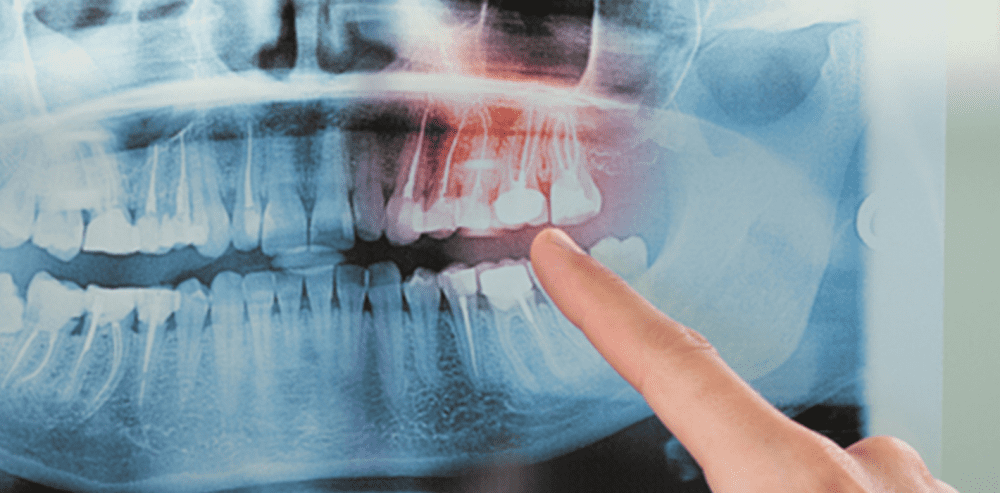
The Lifesaving Power of Preventative Dentistry: A Comprehensive Guide

In the realm of healthcare, the significance of preventative measures cannot be overstated. From routine check-ups to healthy lifestyle choices, proactive interventions play a pivotal role in safeguarding our well-being. However, when it comes to dental health, the importance of preventative dentistry often flies under the radar. In this comprehensive guide, we delve deep into the transformative power of preventative dentistry, exploring how prioritizing oral health can not only preserve your smile but potentially save your life.

Understanding Preventative Dentistry

At its core, preventative dentistry encompasses a range of proactive measures aimed at maintaining optimal oral health and preventing dental problems before they escalate. From regular dental cleanings and examinations to education on proper oral hygiene practices, these interventions form the cornerstone of preventative care. By identifying potential issues early on and implementing timely interventions, preventative dentistry seeks to mitigate the risk of dental diseases and their associated complications.

Related Articles:

The Oral-Systemic Connection

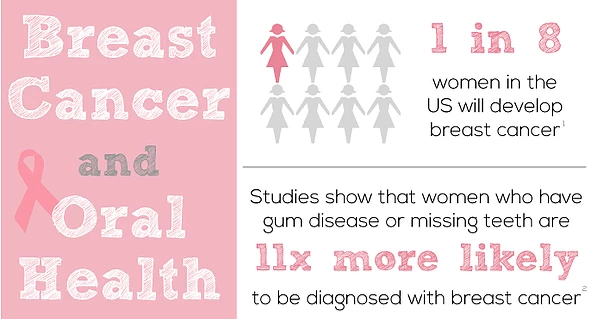
Emerging research has shed light on the intricate relationship between oral health and systemic well-being, highlighting the interconnected nature of the human body. Indeed, the health of your mouth can exert profound effects on various aspects of your overall health. Gum disease, for example, has been linked to an increased risk of systemic conditions such as cardiovascular disease, diabetes, and respiratory infections. By addressing oral health issues proactively through preventative dentistry, individuals can potentially lower their risk of developing these serious medical conditions.

Gum Disease: A Silent Threat

Among the most prevalent oral health concerns is gum disease, a chronic inflammatory condition that affects the tissues surrounding the teeth. Despite its prevalence, gum disease often progresses silently, with symptoms such as redness, swelling, and bleeding gums going unnoticed until the advanced stages. Left untreated, gum disease can lead to irreversible damage to the gums and supporting structures of the teeth, eventually culminating in tooth loss. Moreover, the systemic inflammation associated with gum disease has been implicated in the development of various systemic conditions, underscoring the importance of early detection and intervention.

The Role of Routine Dental Examinations

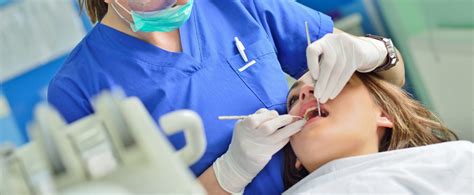
Regular dental examinations serve as a cornerstone of preventative dentistry, providing an opportunity for early detection of oral health issues. During these appointments, dental professionals conduct a comprehensive assessment of the teeth, gums, and oral tissues, using advanced diagnostic tools to identify any signs of disease or abnormalities. By detecting problems such as cavities, gum disease, and oral lesions in their infancy, dentists can initiate prompt treatment, preventing further damage and preserving oral health.

Embracing Proper Oral Hygiene Practices

While routine dental visits are essential, the foundation of preventative dentistry lies in daily oral hygiene practices. Brushing twice a day with fluoride toothpaste, flossing daily, and using antimicrobial mouth rinses are integral components of a healthy oral care routine. Additionally, adopting a balanced diet low in sugary and acidic foods can help protect against cavities and gum disease. By prioritizing these simple yet effective habits, individuals can fortify their defenses against dental diseases and promote long-term oral health.

The Impact of Lifestyle Factors

Beyond oral hygiene practices, lifestyle factors play a significant role in determining oral health outcomes. Tobacco use, for instance, is a major risk factor for gum disease and oral cancer, highlighting the importance of smoking cessation efforts in preventative dentistry. Similarly, excessive alcohol consumption can contribute to a host of oral health problems, including tooth decay and gum disease. By addressing these modifiable risk factors and adopting healthier lifestyle choices, individuals can bolster their oral health and reduce their risk of dental diseases.

Early Intervention: The Key to Success

In the realm of dentistry, early intervention is paramount to achieving favorable outcomes. Whether it’s addressing minor tooth decay or treating early-stage gum disease, prompt action can prevent the progression of dental problems and preserve the integrity of the teeth and supporting structures. Through techniques such as dental sealants, fluoride treatments, and non-surgical periodontal therapy, dental professionals can effectively halt the advancement of oral diseases, sparing patients from the potential complications associated with untreated conditions.

Beyond the Mouth: A Holistic Approach to Health

As our understanding of oral health continues to evolve, so too does our appreciation for its far-reaching implications. By embracing a holistic approach to health that encompasses both oral and systemic well-being, individuals can unlock the full potential of preventative dentistry in preserving their overall health and longevity. From reducing the risk of chronic diseases to enhancing quality of life, the benefits of prioritizing oral health extend far beyond the confines of the mouth, underscoring the profound impact of preventative dentistry on our lives.

For the Sake of Your Health, Schedule Your Dental Exam

Preventative dentistry stands as a powerful ally in the pursuit of optimal health and well-being. By embracing proactive measures such as routine dental examinations, proper oral hygiene practices, and lifestyle modifications, individuals can safeguard their smiles and potentially save their lives. Through early detection, timely intervention, and a holistic approach to health, preventative dentistry empowers individuals to take control of their oral health destiny, paving the way for a brighter, healthier future. So, let us embark on this journey together, as we strive to unlock the lifesaving power of preventative dentistry one smile at a time.

Dr. Gary P. Skrobanek is a dental implant dentist and his experienced, friendly team at GPS Dental offer affordable family dentistry and gentle dental care in the San Antonio, TX area. Our Brooks City Base dentist office is conveniently located and offers early morning appointment times Monday through Friday to meet your needs. At GPS Dental, we provide most dental services, from family and general dentistry to dental implantssleep apneaTMJ / TMD Treatmentcosmetic dentistry and much more. We accept most dental insurance plans and offer affordable financial solutions for any budget. Call us at (210) 633-3477 to make an appointment. 

Oral Health: Wishing You & Your Little Goblins a Cavity-Free Halloween

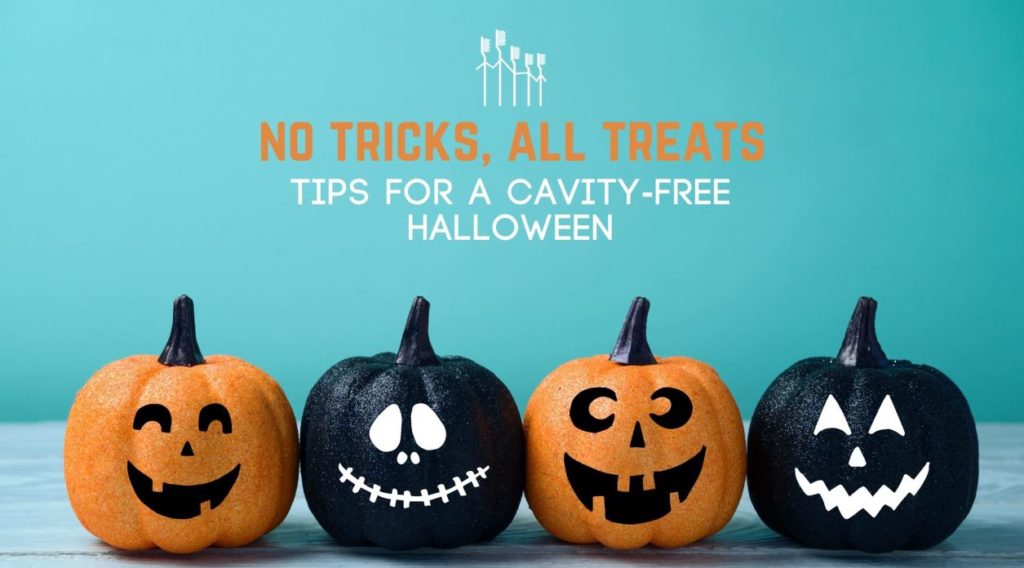
Halloween is the scariest holiday — for your teeth. During this holiday season, it might feel impossible to keep your kids (and yourself … I know it’s impossible for me to stay away from my favorites) away from the sweets. Use these tips to limit candy consumption and keep your kid’s teeth healthy and happy for a cavity-free Halloween.

Many people know that eating too much of anything is a bad idea, especially during the Halloween and Holiday Seasons! Cutting down on sugary snacks is one way to keep your pearly white smile healthy. Unfortunately, sometimes it can go sour and tooth decay can happen. Do you know how?

Your Sweet Tooth and Decay

When you eat sugar, there is a series of events that begin to happen as soon as you pop that sweet treat in your mouth; however, sugar alone does not cause tooth decay. If your teeth are not properly cleaned, the tooth enamel can begin to wear down and cavities can form.

Cavities can Develop

Your mouth is filled with hundreds of bacteria, many of which benefit the health of your teeth; however, some are harmful. These harmful bacteria feed on the sugars that are left on your teeth when they are not brushed after that sugary snack. They create acid that destroys your tooth enamel. Your tooth enamel is the shiny, outer layer that protects your teeth; if this layer becomes compromised, decay and cavities can form and leave tiny holes in your teeth. If the cavity isn’t treated properly, additional issues, such as gum disease and tooth loss can occur. See how your sweet tooth can go sour, quickly?

Preventing Cavities is Pretty Simple

  • Brush your teeth regularly, especially after sweet treats and before bedtime
  • Avoid sugar when possible (this includes snacks, gum and beverages)
  • Eat healthy foods that are rich in fiber
  • Make regular trips to visit your dentist

Have a Cavity-Free Halloween

With Halloween just around the corner, which for most children means bags of free candy and easy access to all kinds of sweets. It’s also a pretty tempting holiday for adults. Here are 5 ways everyone can stay mouth healthy during your cavity-free Halloween and every day.

Stay away from things that stick

Besides how often you snack, the length of time sugary food is in your mouth plays a role in tooth decay. Unless it is a sugar-free product, candies that stay in the mouth for a long period of time subject teeth to an increased risk for tooth decay. The stickier candies, like taffy and gummy bears, also take longer to get washed away by saliva.

Think twice before picking hard candies

Besides how often you snack, the length of time sugary food is in your mouth plays a role in developing cavities. Unless it is a sugar-free product, candies that stay in the mouth for a long period of time subject teeth to an increased risk for tooth decay.

Try and eat candy with meals

We know candy can be hard to resist, especially after all that hard work trick or treating for it! If you can, try and eat Halloween candy and other sugary foods with meals or shortly after mealtime. That’s because saliva production increases during meals and helps cancel out acids produced by bacteria in your mouth and helps rinse away food particles.

Avoid beverages with added sugar

When teeth come in frequent contact with beverages that contain sugar, the risk of tooth decay is increased. Drinking water can also help prevent tooth decay and who needs extra calories from sugary sweet drinks?!

Chew Gum that has the ADA Seal

Instead of candy, consider gum. Studies show that chewing sugarless gum for 20 minutes after meals helps reduce tooth decay, because increased saliva flow helps wash out food and neutralize the acid produced by dental plaque bacteria.

Remember, Candy Causes Tooth Decay

Here’s the recap: The outer layer of our teeth is called the enamel. It’s a resilient and shiny substance on the surface of your teeth that keeps the inner layer of your teeth, the dentin, safe from damage. But when sugars mix with bacteria in our mouths, an acidic environment leaves enamel vulnerable to harm and decay.

Remember, Not All Candy is Created Equal

What are the worst and best to give Trick-or-Treaters to preserve the health of their teeth for a cavity-free Halloween?

WORST:

  • Gummies, Taffy, and Caramels: Anything containing chewy or sticky ingredients is harder to remove from teeth and can easily lead to cavities
  • Hard Candy: Like chewy candy, they are hard to fully clean off of teeth
  • Sour Candy: As it is highly acidic and can erode the enamel of the teeth

BEST:

  • Sugar-Free Candy: While it’s less fun, you can rest assured knowing that damage won’t be done to teeth
  • Sugar-Free Gum: A great way for older kids to keep breath fresh and teeth clean
  • Chocolate, especially DARK Chocolate: It’s the most easily removable of all sugary candy, but remember the extra ingredients, like caramel, may cause problems!

Handy Halloween Candy Facts

With Halloween comes a ton of parties, trick or treating, and, of course, sweets. 4% of all candy consumption occurs on this spooktacular holiday. We’ve gathered up some fun facts in our “Halloween Candy Facts” below.

Consider our tricky tips below for a safe and healthy Halloween season:

  • Only 4% of candy consumption occurs on the day of Halloween
  • Almost 3 out of every 4 households will be handing out Halloween treats in the U.S. this year!
  • Experts estimate that $3.1 Billion will be spent on Halloween candy this year
  • 25% of the candy industry’s revenues come from Halloween-related sales
  • The average household will spend $44 just to purchase Halloween candy
  • Consumers are seeing a price increase of around 13% over their bulk candy purchases for Halloween 2021
  • 76% of households serve Hershey’s Kisses at Halloween
  • Candy corn is the most popular candy-related search for search engines
  • 3 out of 4 households will put the purchased Halloween candy in-sight at home
  • From a health standpoint, it’s actually better to eat more candy at once than spread it out during the day; because the added saliva cancels out the acids that can ruin teeth
  • Many candies have more than 15 ingredients in them, with many of them being different types of sugars
  • Pro Tip: Freeze It!! Chocolate can last up to 6 months in the freezer

Sorting after Trick or Treating

Many families return home with their sweet loot and start a sorting ritual. If you don’t typically do this, consider it this year. Throw out any candies or treats that aren’t properly wrapped. Recent articles are pointing more and more toward drugs being presented as candy. Protect your family by making sure anything they consume won’t hurt their mouth. Remember, if your goal is a cavity-free Halloween and your haul is excessive, consider putting some of your chocolate in the freezer. It will keep nicely for up to 6 months.

Battling Decay After All the Sweets

If you want to be sure you or your family members’ teeth don’t suffer extreme consequences for all that Halloween candy consumption, then encourage and increase these healthy oral habits even more than you already do to ensure a cavity-free Halloween:

  • Be sure you are brushing your teeth for 2 minutes twice daily. Around Halloween, it might even be worth it to brush after eating the candy, or a third time midday.
  • Increase flossing from 1 to 2 times daily for the week following Halloween.
  • Even if you don’t normally choose to use mouthwash, doing so around Halloween and throughout the holidays is a great idea. It can keep sugars at bay and strengthen teeth with the fluoride often included in it.
  • Drinking lots of water can help keep your mouth flushed out and sugars to a minimum.
  • Eating healthy foods to balance out sugar intake is a wonderful way to keep blood sugar from spiking and your teeth free from decay. Munching fresh apples, carrots, celery, and other fibrous produce can actually scrub away plaque buildup and sugars in your mouth, and offer hydration that has been depleted.
  • Consider scheduling teeth cleaning after Halloween or in January following all the major Holidays of the year. If any damage is done, we’ll be sure to find it and prevent it from getting any worse.

Preventing Tooth Decay:

Preventing the unhealthy aftermath of your sweet tooth is important and the best way to do that is to take proper care of your teeth and have a cavity-free Halloween. Limiting the sugar intake in treats and snacks is obvious, but when we talk to our patients, we find out that sometimes the sugars sneak up on them (and they don’t even realize it)! That’s right, gum and beverages are just as guilty at leaving their marks on your teeth. If you drink soda, it doesn’t make any difference whether it’s sugar-free or not because these drinks will leave acid on your teeth that begin to wear down the enamel too. Opting for healthy choices, like water or milk are always better options for your oral health (just make sure they’re not “flavored water”… see how sneaky??)

Brushing and flossing away the plaque (twice each day) will make it harder for a cavity to develop because you are strengthening your enamel at least twice every day. By adding regular visits to your dentist for thorough dental exams, you’re well on your way to preventing cavities and keeping your mouth healthy.

GPS Dental Wishes You a Cavity Free Halloween

With these tips, you’re sure to have a wonderful time this Halloween Weekend without compromising on the health of your mouth. We hope everyone has a safe and wonderful Cavity-Free Halloween!

Dr. Gary P. Skrobanek’s experienced and friendly team at GPS Dental offers affordable dental care for all ages in San Antonio, TX area. Our Brooks City Base dentist office is conveniently located and offers early morning appointment times Monday through Friday to meet your needs. At GPS Dental, we promote dental health awareness to our patients and provide most dental services, from family and general dentistry to dental implantssleep apneaTMJ / TMD Treatmentcosmetic dentistry and much more. We accept most dental insurance plans and offer affordable financial solutions for any budget. Call us at 210-633-3477 to make an appointment.