



Tag Archives: oral health

Grinding Away? Everything You Need to Know About Bruxism

Have you ever woken up with a sore jaw or noticed that your teeth feel unusually sensitive?

If you have ever woken up with a sore jaw or noticed that your teeth feel unusually sensitive … you’re not alone. Many people grind or clench their teeth, often without even realizing it. At GPS Dental, we’ve seen how bruxism can significantly impact your oral health—and overall well‑being. This blog dives into what causes bruxism, how it affects your teeth, and most importantly, what GPS Dental can do to help.

What Is Bruxism?

Bruxism refers to involuntary teeth grinding or jaw clenching. It can happen:

  • During sleep (nocturnal bruxism): Often associated with stress or medical conditions.
  • During the day (awake bruxism): Typically tied to tension, concentration, or habits like chewing pens.

Both forms can damage your teeth and jaw over time, making early detection and treatment essential.

Who Is at Risk?

Bruxism isn’t limited to any one age group. Common risk factors include:

  • Stress and anxiety: When your brain is under pressure, your jaw might tighten unconsciously.
  • Sleep disorders: Conditions like sleep apnea (which we addressed in a recent blog) can increase episodic grinding.
  • Medications: Certain antidepressants or stimulants may increase muscle tension.
  • Misaligned bite or missing teeth: These can cause an imbalanced jaw position.
  • Habitual behaviors: Nail biting, gum chewing, or even leaning on a hand can set off clenching.
  • Lifestyle choices: Caffeine, alcohol, and smoking can exacerbate grinding habits.

Even kids can grind their teeth, especially during growth spurts or times of stress.

Why Bruxism Matters

It might seem harmless—after all, how bad can grinding be? The reality is that chronic bruxism can lead to:

  1. Worn tooth enamel
    You might be grinding your teeth down faster than they repair themselves—leading to sensitivity or uneven bite.
  2. Cracked or chipped teeth
    Excessive pressure can fracture weakened enamel or old fillings.
  3. TMJ (temporomandibular joint) disorders
    Symptoms include jaw pain, limited opening, clicking or popping sounds, headaches, and earaches.
  4. Chronic headaches and neck pain
    The muscles involved in grinding can cause tension headaches and muscle stiffness.
  5. Tooth mobility or loss
    In extreme cases, grinding can damage the bone that secures teeth in place.
  6. Sleep disturbances
    Both yours and your partner’s! Grinding makes noise and disrupts restful sleep.

Signs You Might Be Grinding

Watch for these common clues:

  • Persistent jaw fatigue or soreness
  • Morning headaches or migraines
  • Tooth sensitivity or wearing
  • Loose or broken teeth/restorations
  • Tinnitus or ear pain
  • Grinding noise noted by partner

At GPS Dental, we check for wear patterns, muscle tenderness, and jaw alignment during your exam. Early detection helps us prevent further damage.

Diagnosis: What Happens at Your Dental Visit

When you come in, we’ll:

  1. Ask about your symptoms: Jaw pain, morning headaches, grinding noises?
  2. Inspect your teeth: Look for wear surfaces, chips, or cracks.
  3. Examine your jaw: Check for tenderness, range of motion, and joint noises.
  4. Review your occlusion: Do your upper and lower teeth fit together properly?
  5. Use X-rays or scans: Look for changes in your bone or around teeth.

This thorough assessment helps us tailor a treatment plan that aligns with your specific needs.

Treatment Options at GPS Dental

We offer a range of treatments aimed at reducing grinding, protecting teeth, and alleviating associated symptoms—all personalized for your comfort and lifestyle:

🛡️ 1. Custom Nightguards

These are made from impressions of your teeth for a perfect fit. Wearing a nightguard:

  • Cushions the forces of grinding
  • Prevents wear to enamel and restorations
  • Reduces muscle strain and jaw pain

Unlike over‑the‑counter options, our custom guards are more comfortable, effective, and long‑lasting.

🧘 2. Stress Management Strategies

Because stress is a major trigger, we often recommend:

  • Relaxation techniques (deep breathing, meditation)
  • Targeted stretches for the jaw muscles
  • Daily exercises to increase awareness and reduce tension

Small lifestyle adjustments—like limiting caffeine and taking mindfulness breaks—can make a big difference.

🦷 3. Bite Realignment (Occlusal Adjustment)

If misaligned teeth or bite contribute to clenching, we may need to gently reshape certain cusps or adjust edges. This helps your bite sit more comfortably and reduces pressure on the jaw.

🧪 4. Dental Work or Orthodontics

Sometimes, cracked teeth or worn down enamel require crowns, onlays, or new restorations. In other cases, orthodontic treatment (like SureSmile aligners) can correct alignment issues and reduce grinding.

Daily Habits to Fight Bruxism

Home care is a vital part of your treatment. Here’s what you can do daily:

  • Check your jaw, relax it by keeping lips together and teeth apart
  • Do jaw stretches outlined by our team
  • Avoid chewing “extras” like pen caps or gum
  • Cut back on caffeine and alcohol—especially after dinner
  • Establish better sleep routines to reduce nighttime muscle tension
  • Stay hydrated to maintain muscle function

Following these suggestions supports your treatment and helps prevent future episodes.

Long-Term Benefits of Treating Bruxism

Investing in treatment now means:

  • Stronger, healthier teeth
  • Easier jaw movement
  • Fewer dental emergencies
  • Improved sleep quality
  • Relief from ongoing headaches or muscle pain
  • Better overall well‑being

We often hear, “I can’t believe how much better I feel!”—and that’s why it’s worth taking action early.

Why Choose GPS Dental?

At GPS Dental, we take a comprehensive, patient‑centered approach:

✔️ Fully trained in TMJ and muscle disorders
✔️ Custom-fit nightguards made on-site
✔️ Integrated treatment plans (stress, alignment, restoration)
✔️ Coordinated care, including dental and medical referrals if necessary
✔️ Comfortable, stress‑free environment to discuss sensitive issues

We don’t just mask symptoms—we help you tackle them at the source.

Taking the First Step: What to Do Next

If any signs above resonate with you—jaw pain, headaches, broken teeth, tooth sensitivity, grinding sounds—don’t wait.

  1. Schedule an evaluation at GPS Dental
  2. Discuss your symptoms openly so we can tailor a plan
  3. Commit to your treatment (nightguard, adjustments, exercises)
  4. Maintain follow-up so we can check progress and make adjustments as needed

Restoring your comfort and preserving your smile is our goal.

Final Thoughts

Bruxism might seem harmless at first, but untreated, it can seriously impact your dental health and quality of life. The good news? With professional care and consistent self‑care, you can protect your teeth, relieve tension, and wake up feeling refreshed—not sore.

At GPS Dental, we’re here to support you every step of the way. From diagnosis to ongoing care, we want to see you smile and sleep well!

📞 Call us today at 210-633-3477 to schedule your bruxism evaluation—and take the first step toward a healthier, happier mouth.

Dr. Gary P. Skrobanek is a dental implant dentist and his experienced, friendly team at GPS Dental offer affordable family dentistry and gentle dental care in the San Antonio, TX area. Our Brooks City Base dentist office is conveniently located and offers early morning appointment times Monday through Friday to meet your needs. At GPS Dental, we provide most dental services, from family and general dentistry to dental implantssleep apneaTMJ / TMD Treatmentcosmetic dentistry and much more. We accept most dental insurance plans and offer affordable financial solutions for any budget. Call us at (210) 633-3477 to make an appointment. 

The Connection Between Sleep Apnea and Your Oral Health

Sleep is essential for your physical and mental health—but did you know it’s also critical for your oral health? One of the most overlooked conditions with both general and dental health implications is sleep apnea. As your trusted partner in oral wellness, GPS Dental wants to help you understand how this sleep disorder can affect your teeth, gums, and overall quality of life.

What is Sleep Apnea?

Sleep apnea is a disorder in which breathing repeatedly stops and starts during sleep. The most common type is obstructive sleep apnea (OSA), which occurs when the muscles at the back of your throat relax excessively, narrowing or closing off your airway.

People with OSA often snore loudly and may feel tired even after a full night’s rest. However, beyond fatigue and sleep disruptions, sleep apnea can cause a cascade of other health issues—including ones that start right in your mouth.

How Dentists Help Identify Sleep Apnea

You may not think of your dentist as a key player in diagnosing sleep disorders—but you should. During routine exams, dentists can spot signs and symptoms that point to sleep apnea.

These include:

  • Teeth grinding (bruxism): Often a reflex to restricted breathing.
  • Flattened or worn teeth: A classic indicator of nighttime clenching.
  • Dry mouth or sore throat: Caused by frequent mouth breathing at night.
  • Red or irritated throat and palate: A result of snoring or gasping for air.
  • Enlarged tongue or tonsils: Which may block airflow during sleep.
  • Jaw pain or tightness: Often related to jaw tension and grinding.

Because we see patients every 6 months—or more if there are ongoing issues—dentists are often the first health professionals to raise red flags.

Oral Health Complications Linked to Sleep Apnea

Sleep apnea can lead to a variety of oral health problems, some of which might surprise you.

Here’s how:

1. Bruxism (Teeth Grinding)

Bruxism is one of the most common oral health conditions associated with sleep apnea. People grind their teeth unconsciously as a response to airway obstruction. This grinding can lead to:

  • Tooth sensitivity
  • Worn enamel
  • Chipped or cracked teeth
  • TMJ (temporomandibular joint) disorders
  • Chronic jaw pain

Over time, this can severely damage the teeth and increase the need for crowns, veneers, or even dental implants.

2. Dry Mouth and Increased Cavity Risk

Many individuals with sleep apnea breathe through their mouths at night. This leads to dry mouth, which reduces saliva—the natural protector of your teeth and gums. A lack of saliva increases the risk of:

  • Tooth decay
  • Gum disease
  • Bad breath
  • Oral infections

Dry mouth also makes it uncomfortable to wear dental appliances like dentures or retainers.

3. Gum Disease (Periodontitis)

Studies have shown a strong link between sleep apnea and gum disease. Inflammation from disrupted sleep patterns can exacerbate gum problems. Sleep apnea also alters immune function, making it harder for your body to fight off the bacteria that cause gum disease.

Symptoms of gum disease include:

  • Red, swollen, or bleeding gums
  • Receding gum lines
  • Loose teeth
  • Persistent bad breath

How Sleep Apnea Affects Overall Health

Left untreated, sleep apnea doesn’t just impact your mouth—it can have serious consequences for your entire body:

  • Heart disease
  • High blood pressure
  • Type 2 diabetes
  • Stroke
  • Depression and anxiety
  • Weight gain
  • Fatigue-related accidents

This is why early detection—especially at your dental visits—is so important.

How GPS Dental Can Help

At GPS Dental, we understand that your oral health is connected to your entire well-being. Unlike most general dentists, Dr. Skrobanek is trained and qualified to diagnose and treat sleep apnea directly—no outside referral needed.

If we suspect signs of sleep apnea during your exam, we’ll talk with you about your symptoms, sleeping habits, and any concerns you may have. Then, Dr. Skrobanek will guide you through the next steps:

1. Comprehensive Sleep Apnea Evaluation

Dr. Skrobanek can perform an in-depth screening and evaluation to determine if sleep apnea may be affecting your health and your smile. If needed, he can coordinate or recommend a home sleep study and provide direct treatment options.

2. Oral Appliance Therapy

For many mild to moderate cases of sleep apnea, a custom oral appliance (similar to a nightguard or mouthguard) can be incredibly effective. This device gently repositions the jaw to keep your airway open during sleep.

Benefits of oral appliances include:

  • Easy to wear and clean
  • Quiet (no machine or noise like CPAP)
  • Portable for travel
  • Non-invasive

Patients often find this treatment more comfortable and convenient than a CPAP machine.

3. Nightguards for Bruxism

If grinding is your main concern, we may recommend a custom-fit nightguard to protect your teeth from damage while you sleep.

4. Gum Disease Treatment and Preventive Care

We’ll also focus on managing any gum inflammation, treating dry mouth, and helping you build healthier habits to prevent tooth decay and oral discomfort.

Lifestyle Tips to Improve Sleep and Oral Health

Improving sleep apnea and your oral health often starts with small changes. Here are some dentist-approved tips:

  • Maintain a healthy weight – Extra tissue in the throat can worsen sleep apnea.
  • Sleep on your side – This helps keep your airway open.
  • Limit alcohol and sedatives – These relax your throat muscles.
  • Stay hydrated – Reduces dry mouth symptoms.
  • Practice good oral hygiene – Brush twice a day, floss daily, and use a fluoride rinse.
  • Avoid caffeine and large meals before bed – These can disrupt sleep.

Don’t Sleep on Your Dental Visits!

Remember: dental visits aren’t just about teeth. They’re a window into your overall health.

If you’ve been struggling with fatigue, headaches, jaw pain, or are waking up with a dry mouth or sore throat, it’s worth bringing up at your next dental checkup. At GPS Dental, we take your health seriously and are trained to look for the subtle signs that could indicate a larger issue—like sleep apnea.

Let us help protect more than just your smile—we’re here for your total wellness.

Book Your Appointment Today

Your journey to better health and better sleep starts with a visit to GPS Dental. Whether you’re due for a checkup or want to learn more about oral appliance therapy for sleep apnea, Dr. Skrobanek and our experienced team are ready to help.

📞 Call us today at 210-633-3477 — let’s keep your smile healthy and your sleep restful.

Dr. Gary P. Skrobanek is a dental implant dentist and his experienced, friendly team at GPS Dental offer affordable family dentistry and gentle dental care in the San Antonio, TX area. Our Brooks City Base dentist office is conveniently located and offers early morning appointment times Monday through Friday to meet your needs. At GPS Dental, we provide most dental services, from family and general dentistry to dental implantssleep apneaTMJ / TMD Treatmentcosmetic dentistry and much more. We accept most dental insurance plans and offer affordable financial solutions for any budget. Call us at (210) 633-3477 to make an appointment. 

Preventative Dentistry: The Link Between Your Oral Health and Your Overall Well-Being

We are dedicating this blog to illuminating the path to optimal oral health and overall well-being. In the realm of dentistry, the adage ‘prevention is better than cure’ holds profound significance. Today, we embark on a journey to explore the transformative power of preventative dentistry, a cornerstone of dental care that not only safeguards your smile but can also potentially save your life. From routine cleanings to early detection of oral diseases, the proactive measures advocated in preventative dentistry serve as a formidable defense against a myriad of dental ailments, with far-reaching implications for your overall health and longevity. Join us as we unravel the compelling narrative of how prioritizing preventative care paves the way for a healthier, happier life.

What is Life Saving Preventative Dentistry and how can it save your life? In simple terms, your dental exam can expose and help diagnose gum disease and oral cancer early. Let’s discuss.

Your Dentist is a Super Hero

You know that seeing your dentist is important and helps keep your mouth healthy and clean, but did you know that getting regular dental checkups is the most important procedure against oral cancer? Your dentist is doing a lot more than just checking up on your smile and cavities.

Dr. Skrobanek is a Super Hero. The preventative dentistry he provides can detect early signs of cancer, gum disease, and other major health problems; not to mention the little problems that can be treated. All in all, preventative dentistry could just save your life.

The Test of Time with Life Saving Preventative Dentistry

Your smile was meant to last a lifetime. That’s why it’s so important to take care of your teeth, so they can function well and last as long as they’re supposed to. Ultimately, the best thing you can do for your teeth’s durability is seeing your dentist for life saving preventative dentistry that includes regular dental exams, cleanings, and oral cancer screenings.

According to the Oral Health Foundation“Dental appointments shouldn’t just be made when you have a problem that needs to be addressed. Prevention is always better than needing a cure and there are plenty more reasons why it’s important to maintain regular visits to your local dental practice.”

Some of these reasons include:

  • Prevention of plaque, tartar, decay
  • Helps keep gum disease away
  • Checking for oral cancer and other health issues
  • Getting advice on your specific needs/oral health goals

Preventative dentistry focuses on dental care practices, good oral health, oral hygiene education, and early detection – which is what’s happening during your routine dental exam. So, your dentist may talk with you about what steps to take to avoid cavities, tooth decay, best oral health practices, and so on.

Oral Cancer Screenings

When your dentist does an oral cancer screening, they’re looking for abnormalities in the mouth tissue. This can be lumps, pimples, patches that are rough, or teeth placement changes. This is done both visually and by feeling around the mouth. Diagnosing oral cancer in its very early stages is critical because each year, over 7,500 deaths are caused by oral cancer alone.

The screening will be painless and easy, and it could be the difference of early detection or not. If something looks like it may be oral cancer, your dentist may suggest a biopsy of some tissue. Early detection can significantly increase the chances for a full recovery and can make treatment easier as well. 

Learn more from The American Dental Association about Detecting Oral Cancer Early.

Your mouth is the gateway to your entire body and its health determines your overall health. We believe that brushing and flossing daily, and regular dental exams and cleanings are key to a beautiful smile and a happy, healthy you!

Overall Checkup and The Importance of Oral Health

Oftentimes, we don’t notice some oral health problems unless they cause us pain or discomfort. Maybe we have a signs and symptoms of a problem that we never would’ve noticed until later on, when issues have progressed. 

Related Article: 11 Things Your Dentist Wants You to Do Differently

The good news is, your dentist can look for multiple signs and symptoms that show in our mouths – such as oral cancer, Crohn’s Disease, and other serious health problems. So, when you get your regular dental exam, you’re doing so much more for your overall health and wellbeing than just getting your teeth cleaned. How amazing is that?

Early diagnosis through dental exams can sometimes determine health issues such as:

  • Crohn’s Disease
  • Diabetes
  • Oral Cancer
  • Anemia
  • GERD
  • Intense stress
  • Osteoporosis
  • Dementia
  • Rheumatoid Arthritis
  • Heart Disease

As you can see, Dr. Skrobanek offers life saving preventative dentistry each time you visit his office. That’s one of the main reasons we schedule your next appointment after your dental exam and cleaning, so we can help you manage your oral health and stay healthy.

10 Easy Steps to Improve Your Smile

A healthy smile isn’t always achieved overnight, but takes a variety of methods to help create and maintain. Here are 10 easy steps you can take to help improve the appearance and health of your teeth, mouth, and gums.

  1. Brush your teeth twice a day
  2. Floss every day
  3. See your Hygienist twice each year
  4. Stop Smoking
  5. Drink plenty of water
  6. Buy a quality toothbrush
  7. Limit coffee, tea, and red wine
  8. Choose whitening products carefully
  9. Improve other health conditions
  10. Get dental treatment in a timely manner

It can take some time before you start to notice changes from whitening or improved oral hygiene. While these changes don’t come overnight, they are certainly worth the time and effort, both for the sake of your smile and your overall health. You should also have regular dental checkups and cleanings. Why? Read more about “Why it’s important to schedule your dental exam twice a year”.

A Healthy Smile Can BOOST Your Immune System

You may not realize that a healthy smile can boost your immune system and don’t forget about the importance of healthy gums! They may not seem like the star of the show, but they’re just as important as every other part of your mouth, and have to be taken care of to maintain a bright and healthy smile. Even if you take care of your teeth and don’t have any cavities to worry about, you’re not immune to gum disease. 

To learn more about Gum Disease, enjoy our blog: BOOST Your Immune System thru Oral Care and Gum Health

GPS Dental Offers Life Saving Preventative Care

That’s why our expert team at GPS Dental strives to educate our patients on healthy habits that can do more than keep your smile bright. Life saving preventative care is one of the main reasons it’s always important to see Dr. Skrobanek every 6 months for proper checkups at GPS Dental, so your he can check for all the signs of a healthy mouth. A healthy mouth, teeth and gums has all the makings for a beautiful smile!

Dr. Gary P. Skrobanek is a dental implant dentist and his experienced, friendly team at GPS Dental offer affordable family dentistry and gentle dental care in the San Antonio, TX area. Our Brooks City Base dentist office is conveniently located and offers early morning appointment times Monday through Friday to meet your needs. At GPS Dental, we provide most dental services, from family and general dentistry to dental implantssleep apneaTMJ / TMD Treatmentcosmetic dentistry and much more. We accept most dental insurance plans and offer affordable financial solutions for any budget. Call us at (210) 633-3477 to make an appointment. 

April is Oral Cancer Awareness Month: Why Your Dentist is Your First Line of Defense

Every April, the dental community comes together to raise awareness for a serious, yet often overlooked, health issue: oral cancer. At GPS Dental, we believe that education and early detection are key to saving lives. Oral cancer claims the life of one person every hour in the United States alone, but when detected early, the survival rate dramatically improves. That’s why your biannual dental visits are so much more important than just keeping your teeth clean; they’re a vital part of your overall health and early disease detection.

Understanding Oral Cancer

Oral cancer can affect the lips, tongue, cheeks, floor of the mouth, hard and soft palate, sinuses, and throat. If not diagnosed and treated early, it can be life-threatening. Common risk factors include tobacco use (including smokeless tobacco), excessive alcohol consumption, prolonged sun exposure (especially for lip cancer), HPV (human papillomavirus) infection, and a family history of cancer.

Early signs of oral cancer might include:

  • Persistent mouth sores or ulcers
  • Red or white patches in the mouth
  • Unexplained bleeding
  • Difficulty swallowing or chewing
  • Numbness or pain in any area of the face, mouth, or neck
  • A lump or thickening of tissues in the mouth

These symptoms might seem minor or easy to ignore, which is why regular dental exams are crucial.

Your Dentist: A Critical Ally in Early Detection

Most people think of a dentist as someone who simply checks for cavities or performs cleanings, but dentists are also highly trained to recognize the early warning signs of oral cancer and other serious conditions. During your regular dental exam at GPS Dental, our team conducts a thorough oral cancer screening.

We carefully examine your:

  • Lips
  • Gums
  • Tongue
  • Throat
  • The floor and roof of your mouth
  • Neck and jaw areas

We look for any abnormalities, lumps, or discoloration. Catching these signs early allows us to guide you toward appropriate diagnostic tests or referrals to specialists when necessary.

Dental Exams: Protecting More Than Your Teeth

Your dental visits every six months aren’t just about keeping your smile bright — they’re an essential part of preventive health care. In addition to oral cancer, dentists can detect signs of other health issues during routine exams, such as:

  • Diabetes: Symptoms like gum disease, dry mouth, and fungal infections can indicate undiagnosed diabetes.
  • Heart Disease: Inflammation and infections in the mouth can sometimes signal heart disease.
  • Osteoporosis: Receding gumlines and bone loss in the jaw can be early indicators.
  • Autoimmune Disorders: Conditions like lupus or Crohn’s disease often show initial symptoms in the mouth.

Your mouth is truly a window to your overall health, and your dentist is trained to interpret what they see.

Prevention is Power

There are steps you can take to protect yourself against oral cancer, including:

  • Avoiding tobacco products
  • Limiting alcohol consumption
  • Using lip balm with SPF protection
  • Practicing safe sex to reduce HPV risk
  • Eating a healthy, balanced diet rich in fruits and vegetables
  • Performing regular self-exams at home

But even with the best preventive practices, professional screenings are irreplaceable. That’s why GPS Dental emphasizes the importance of keeping up with your dental exams every six months.

What to Expect During an Oral Cancer Screening

If you’re wondering what happens during an oral cancer screening at GPS Dental, rest assured that it’s quick, painless, and non-invasive. We will:

  • Visually inspect your mouth and neck for any unusual patches, lumps, or lesions.
  • Gently palpate your neck and jaw to feel for abnormalities.
  • Ask about any symptoms you may be experiencing, such as difficulty swallowing or persistent sore spots.

If anything suspicious is found, we may recommend further diagnostic tests or refer you to a specialist for a biopsy.

Early Detection Saves Lives

The statistics are clear: when oral cancer is detected early, the five-year survival rate is approximately 84%. However, because many cases are not discovered until later stages, the overall survival rate is much lower. Regular dental visits give you the best chance for early diagnosis and successful treatment.

At GPS Dental, we’re committed to more than just your smile; we’re committed to your life-long health. Oral cancer screenings are a standard part of your dental exam because we believe in comprehensive care.

Schedule Your Dental Exam Today

April is a great reminder to prioritize your health. If it’s been more than six months since your last dental visit, or if you have noticed any unusual changes in your mouth, don’t wait. Schedule your appointment with GPS Dental today. Your health is worth it!

Stay proactive, stay healthy, and let’s work together to raise awareness about oral cancer this month and beyond.

📢 Call GPS Dental today to schedule your oral cancer screening and dental exam! Your smile — and your health — are our top priorities.

Dr. Gary P. Skrobanek is a dental implant dentist and his experienced, friendly team at GPS Dental offer affordable family dentistry and gentle dental care in the San Antonio, TX area. Our Brooks City Base dentist office is conveniently located and offers early morning appointment times Monday through Friday to meet your needs. At GPS Dental, we provide most dental services, from family and general dentistry to dental implantssleep apneaTMJ / TMD Treatmentcosmetic dentistry and much more. We accept most dental insurance plans and offer affordable financial solutions for any budget. Call us at (210) 633-3477 to make an appointment. 

#OralCancerAwarenessMonth #GPSDental #EarlyDetection #HealthySmile #OralHealth

The Link Between Stress and Oral Health: How Anxiety Affects Your Smile

STRESS!!!

Stress has become an inevitable part of modern life. From demanding jobs and busy schedules to personal challenges, it’s no surprise that stress can affect our overall well-being. But did you know that stress can also take a toll on your oral health? At GPS Dental, we often see the effects of stress in our patients’ smiles. In this blog, we’ll explore how stress impacts your oral health and what you can do to protect your smile.

How Does Stress Affect Oral Health?

When stress levels rise, your body responds in various ways. While many people experience headaches, muscle tension, or digestive issues, oral health is also frequently affected. Here’s how stress can harm your teeth, gums, and overall oral health:

1. Teeth Grinding and Jaw Clenching (Bruxism)

One of the most common oral health issues caused by stress is bruxism, or teeth grinding. Many people grind their teeth or clench their jaws unknowingly, often while sleeping. Over time, bruxism can lead to:

  • Worn-down enamel
  • Increased tooth sensitivity
  • Jaw pain or temporomandibular joint (TMJ) disorders
  • Headaches and earaches

2. Gum Disease (Periodontitis)

Chronic stress can weaken your immune system, making it harder for your body to fight off infections. This increases the risk of gum disease, which starts as gingivitis (inflamed gums) and can progress to periodontitis. Signs of gum disease include:

  • Bleeding or swollen gums
  • Persistent bad breath
  • Gum recession
  • Loose teeth

3. Canker Sores and Cold Sores

Emotional stress can trigger the appearance of canker sores, which are small ulcers that develop inside the mouth. Cold sores, caused by the herpes simplex virus, may also be exacerbated by stress. While they typically heal on their own, they can be painful and disruptive.

4. Dry Mouth (Xerostomia)

Stress can reduce saliva production, leading to dry mouth. Saliva is essential for maintaining oral health as it helps wash away food particles and neutralize acids. A lack of saliva can increase the risk of cavities, gum disease, and bad breath.

5. Neglecting Oral Hygiene

When people are overwhelmed by stress, self-care routines often take a backseat. Skipping regular brushing and flossing or avoiding dental check-ups can lead to plaque buildup, tooth decay, and other oral health issues.

How to Manage Stress for a Healthier Smile

The good news is that managing stress effectively can improve both your mental well-being and your oral health. Here are some tips to reduce stress and protect your smile:

1. Practice Relaxation Techniques

Incorporate relaxation techniques into your daily routine to help reduce stress levels. Consider activities like:

  • Deep breathing exercises
  • Yoga or meditation
  • Progressive muscle relaxation
  • Taking a walk in nature

2. Maintain Good Oral Hygiene

Even during stressful times, it’s essential to stick to a proper oral hygiene routine:

  • Brush twice a day using fluoride toothpaste.
  • Floss daily to remove plaque from between your teeth.
  • Rinse with an antibacterial mouthwash to reduce bacteria.

3. Wear a Nightguard

If you grind your teeth at night, wearing a custom nightguard can help protect your teeth and reduce jaw discomfort. Your dentist at GPS Dental can create a nightguard that fits comfortably and prevents damage.

4. Stay Hydrated

Drinking plenty of water can alleviate dry mouth symptoms and help maintain saliva production. Limit caffeine and alcohol consumption, as they can contribute to dehydration.

5. Visit Your Dentist Regularly

Routine dental visits are crucial for identifying stress-related oral health issues early. At GPS Dental, we provide comprehensive exams, professional cleanings, and personalized recommendations to keep your smile healthy.

Recognizing the Signs of Stress-Related Oral Health Issues

Be mindful of any signs that stress may be affecting your oral health. If you notice symptoms like jaw pain, sensitive teeth, or bleeding gums, don’t ignore them. Early intervention can prevent more serious issues from developing.

Final Thoughts

Stress is an unavoidable part of life, but it doesn’t have to compromise your oral health. By managing stress effectively and maintaining a consistent oral care routine, you can keep your smile strong and beautiful. At GPS Dental, we’re here to support your oral health every step of the way. Schedule your next appointment with us and let’s work together to ensure your smile stays bright, no matter what life throws your way.

Contact GPS Dental today to book your visit and learn more about how we can help you maintain excellent oral health!

Dr. Gary P. Skrobanek is a dental implant dentist and his experienced, friendly team at GPS Dental offer affordable family dentistry and gentle dental care in the San Antonio, TX area. Our Brooks City Base dentist office is conveniently located and offers early morning appointment times Monday through Friday to meet your needs. At GPS Dental, we provide most dental services, from family and general dentistry to dental implantssleep apneaTMJ / TMD Treatmentcosmetic dentistry and much more. We accept most dental insurance plans and offer affordable financial solutions for any budget. Call us at (210) 633-3477 to make an appointment. 

The Impact of Vaping on Oral Health: What You Need to Know

In recent years, vaping has surged in popularity, especially among younger demographics. Marketed as a safer alternative to traditional cigarettes, e-cigarettes have found their way into the daily routines of many. However, as dental professionals, it’s imperative to shed light on the lesser-known repercussions of vaping, particularly concerning oral health. At GPS Dental, we prioritize patient education to ensure informed decisions about overall well-being. This comprehensive guide delves into the effects of vaping on oral health, emphasizing the importance of maintaining a healthy smile.

Understanding Vaping

Vaping involves inhaling aerosolized liquid from an electronic device, commonly known as an e-cigarette or vape pen. These devices heat a liquid—often containing nicotine, flavorings, and other chemicals—to create an aerosol that users inhale. While they eliminate many harmful compounds found in traditional tobacco products, e-cigarettes introduce their own set of health concerns.

The Composition of E-Liquids

E-liquids, the substances vaporized in e-cigarettes, typically contain:

  • Nicotine: An addictive stimulant found in tobacco.
  • Propylene Glycol and Vegetable Glycerin: Used to create vapor; these substances can dehydrate oral tissues.
  • Flavorings: Chemical compounds that provide various tastes.
  • Other Additives: Chemicals that may have unknown health effects.

Vaping and Oral Health: The Hidden Dangers

While vaping might seem harmless, emerging research indicates several potential oral health risks:

1. Dry Mouth (Xerostomia)

Propylene glycol, a primary component in e-liquids, is known to absorb moisture. Regular exposure can lead to dry mouth, reducing saliva production. Saliva is crucial for:

  • Neutralizing acids produced by bacteria.
  • Washing away food particles.
  • Preventing tooth decay and gum disease.

A decrease in saliva can create an environment conducive to bacterial growth, increasing the risk of cavities and oral infections.

2. Gum Inflammation and Disease

Nicotine, regardless of its source, constricts blood vessels, reducing blood flow to the gums. This diminished circulation can result in:

  • Gingivitis: Early-stage gum disease characterized by red, swollen gums that may bleed.
  • Periodontitis: Advanced gum disease leading to gum recession, bone loss, and potentially tooth loss.

Moreover, reduced blood flow impairs the gums’ ability to heal, exacerbating existing oral health issues.

3. Enamel Erosion and Tooth Decay

Many e-liquids contain flavorings that, when vaporized, produce acidic byproducts. These acids can erode tooth enamel, the protective outer layer of teeth. Once enamel is compromised:

  • Teeth become more susceptible to decay.
  • Sensitivity to hot and cold foods increases.
  • The risk of cavities escalates.

4. Oral Lesions and Potential for Cancer

The long-term effects of vaping are still under investigation. However, some studies suggest that certain chemicals in e-cigarette vapor may cause cellular changes in the mouth, potentially leading to oral lesions or an increased risk of oral cancer.

5. Bad Breath (Halitosis)

Dry mouth, combined with the accumulation of bacteria and debris due to reduced saliva flow, can result in persistent bad breath—a common complaint among regular vapers.

Comparing Vaping to Traditional Smoking

It’s essential to recognize that while vaping eliminates some harmful components found in traditional cigarettes, it is not without risks. Both habits introduce nicotine and other chemicals into the body, each carrying its own set of health concerns. From an oral health perspective, neither can be deemed entirely safe.

Recommendations for Vapers

If you choose to vape, consider the following steps to mitigate potential oral health issues:

  1. Maintain Rigorous Oral Hygiene:
    • Brush your teeth at least twice daily with fluoride toothpaste.
    • Floss daily to remove plaque between teeth.
    • Use an antimicrobial mouthwash to reduce bacterial load.
  2. Stay Hydrated:
    • Drink plenty of water to combat dry mouth and promote saliva production.
  3. Regular Dental Check-Ups:
    • Schedule biannual visits to GPS Dental for professional cleanings and examinations.
    • Early detection of issues like gum disease or enamel erosion can prevent more severe problems.
  4. Limit Vaping Frequency:
    • Reducing the frequency of vaping sessions can decrease exposure to harmful substances.
  5. Be Mindful of Symptoms:
    • Pay attention to signs like gum bleeding, tooth sensitivity, or persistent bad breath, and seek prompt dental advice if they arise.

The Path Forward: Making Informed Choices

Understanding the potential oral health implications of vaping empowers individuals to make informed decisions. While more research is needed to fully comprehend the long-term effects, current evidence suggests caution. Prioritizing oral health by staying informed, practicing good hygiene, and seeking regular dental care is paramount.

Your Oral Health is Our Top Priority

At GPS Dental, your oral health is our top priority. As trends like vaping evolve, we remain committed to providing you with accurate information to safeguard your smile. If you have questions or concerns about vaping and its impact on your dental health, don’t hesitate to reach out. Together, we can navigate the path to a healthier, brighter smile.

Note: This article is for informational purposes only and does not constitute medical advice. Always consult with a dental professional regarding concerns about your oral health.

Dr. Gary P. Skrobanek is a dental implant dentist and his experienced, friendly team at GPS Dental offer affordable family dentistry and gentle dental care in the San Antonio, TX area. Our Brooks City Base dentist office is conveniently located and offers early morning appointment times Monday through Friday to meet your needs. At GPS Dental, we provide most dental services, from family and general dentistry to dental implantssleep apneaTMJ / TMD Treatmentcosmetic dentistry and much more. We accept most dental insurance plans and offer affordable financial solutions for any budget. Call us at (210) 633-3477 to make an appointment. 

Understanding Gum Disease: Causes, Prevention, and Treatment

Gum disease, also known as periodontal disease, is a common yet serious condition that affects the gums and supporting structures of the teeth. Left untreated, it can lead to tooth loss and other health complications. At GPS Dental, we believe in educating our patients on the importance of gum health and providing effective treatments to keep your smile strong and healthy. Let’s discuss the causes, symptoms, prevention, and treatment options for gum disease, as well as why maintaining healthy gums is essential for overall well-being.

What is Gum Disease?

Gum disease is an infection of the tissues that support your teeth. It is caused by the buildup of plaque, a sticky film of bacteria that forms on teeth. When plaque isn’t removed through regular brushing and flossing, it hardens into tartar, leading to inflammation and infection in the gums. There are two main stages of gum disease:

1. Gingivitis (Early Stage)

Gingivitis is the mildest form of gum disease and is characterized by red, swollen gums that may bleed when brushing or flossing. At this stage, the condition is reversible with good oral hygiene and professional dental cleanings.

2. Periodontitis (Advanced Stage)

If left untreated, gingivitis can progress into periodontitis, a more severe form of gum disease. Periodontitis causes the gums to pull away from the teeth, forming pockets that become infected. This can lead to bone loss, loose teeth, and eventually tooth loss if not managed properly.

Causes and Risk Factors of Gum Disease

Several factors contribute to the development of gum disease, including:

  • Poor Oral Hygiene: Not brushing and flossing regularly allows plaque and tartar to build up, increasing the risk of gum infections.
  • Smoking and Tobacco Use: Smoking weakens the immune system, making it harder for the body to fight off infections, including gum disease.
  • Genetics: Some individuals are more genetically prone to gum disease, even if they practice good oral hygiene.
  • Hormonal Changes: Pregnancy, menopause, and other hormonal fluctuations can make gums more sensitive and susceptible to gum disease.
  • Chronic Health Conditions: Diabetes, heart disease, and autoimmune disorders can increase the likelihood of developing gum disease.
  • Poor Diet: A diet lacking in essential nutrients, particularly vitamin C, can weaken gum tissue and make it more vulnerable to infection.

Signs and Symptoms of Gum Disease

Recognizing the early signs of gum disease can help prevent severe complications. Common symptoms include:

  • Red, swollen, or tender gums
  • Bleeding gums when brushing or flossing
  • Persistent bad breath
  • Receding gums (gums pulling away from teeth)
  • Loose or shifting teeth
  • Pain when chewing
  • Pus between teeth and gums

If you experience any of these symptoms, it’s essential to visit a dentist as soon as possible for evaluation and treatment.

How to Prevent Gum Disease

Preventing gum disease is easier than treating it. Here are some key steps to maintaining healthy gums:

1. Maintain Good Oral Hygiene

Brushing twice a day and flossing daily can help remove plaque and prevent tartar buildup. Using an antibacterial mouthwash can also help reduce bacteria in the mouth.

2. Visit Your Dentist Regularly

Professional cleanings and exams every six months allow your dentist to detect early signs of gum disease and remove tartar that cannot be eliminated by brushing and flossing alone.

3. Quit Smoking

Tobacco use is a significant risk factor for gum disease. Quitting smoking can greatly improve gum health and overall oral health.

4. Eat a Balanced Diet

Consuming a diet rich in vitamins and minerals, particularly vitamin C and calcium, can strengthen your gums and teeth.

5. Manage Health Conditions

If you have diabetes or other chronic conditions, keeping them under control can reduce your risk of gum disease.

Treatment Options for Gum Disease

If gum disease has already developed, several treatment options are available depending on its severity:

1. Professional Dental Cleanings

For patients with mild gingivitis, professional cleanings and improved oral hygiene may be enough to reverse the condition.

2. Scaling and Root Planing

This deep cleaning procedure removes plaque and tartar from below the gum line and smooths the roots of the teeth to promote healing.

3. Antibiotic Therapy

Antibiotic mouth rinses or gels can help control bacterial infections in the gums.

4. Laser Therapy

Laser treatment is a minimally invasive procedure that removes infected tissue and promotes gum healing.

5. Surgical Treatments

For advanced periodontitis, surgical procedures such as gum grafts or flap surgery may be necessary to restore gum tissue and bone support.

The Connection Between Gum Disease and Overall Health

Research has shown that gum disease is linked to several systemic health conditions, including:

  • Heart Disease: Bacteria from gum infections can enter the bloodstream and contribute to heart problems.
  • Diabetes: Gum disease can make it harder to control blood sugar levels, increasing the risk of complications in diabetic patients.
  • Respiratory Issues: Bacteria from the mouth can be inhaled into the lungs, leading to respiratory infections or worsening conditions like COPD.
  • Pregnancy Complications: Pregnant women with gum disease may be at a higher risk for premature birth and low birth weight.

Trust GPS Dental for Your Gum Health

At GPS Dental, Dr. Skrobanek and his expert team are dedicated to helping our patients maintain healthy gums and prevent gum disease. Our team provides comprehensive periodontal care, including early detection, deep cleanings, and advanced treatment options. If you’re experiencing symptoms of gum disease or want to schedule a routine checkup, contact us today. Together, we can protect your smile and overall health for years to come!

Dr. Gary P. Skrobanek is a dental implant dentist and his experienced, friendly team at GPS Dental offer affordable family dentistry and gentle dental care in the San Antonio, TX area. Our Brooks City Base dentist office is conveniently located and offers early morning appointment times Monday through Friday to meet your needs. At GPS Dental, we provide most dental services, from family and general dentistry to dental implantssleep apneaTMJ / TMD Treatmentcosmetic dentistry and much more. We accept most dental insurance plans and offer affordable financial solutions for any budget. Call us at (210) 633-3477 to make an appointment. 

The Benefits of Dental Implants to Restore Missing Teeth

A confident smile is often the cornerstone of self-assurance and social connections. However, missing teeth can affect not only your appearance but also your oral health and overall well-being. Fortunately, dental implants offer a long-lasting, effective, and transformative solution for restoring missing teeth. In this blog, we’ll explore the numerous benefits of dental implants and why they are considered the gold standard for tooth replacement.

What Are Dental Implants?

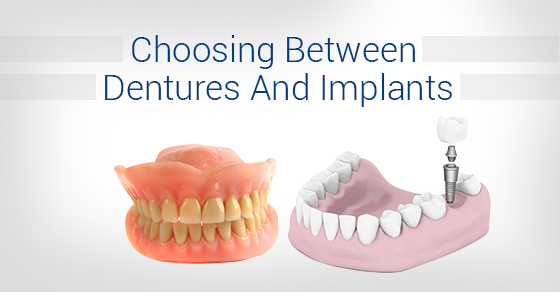
Dental implants are artificial tooth roots made of biocompatible materials like titanium. These implants are surgically placed into the jawbone, where they fuse with the bone through a process called osseointegration. Once the implant integrates with the bone, it serves as a sturdy foundation for a crown, bridge, or denture, effectively replacing the missing tooth or teeth.

Unlike traditional dentures or bridges, dental implants mimic the function, feel, and appearance of natural teeth, making them a popular choice for individuals seeking a permanent tooth replacement solution.

The Benefits of Dental Implants

Restored Functionality
One of the primary advantages of dental implants is their ability to restore full oral functionality. Missing teeth can make it difficult to chew and speak properly. Dental implants provide a stable and durable solution that allows you to:

  • Enjoy your favorite foods without restrictions.
  • Speak clearly and confidently, as implants don’t shift or slip like dentures.
  • Maintain proper jaw alignment, which supports efficient chewing and digestion.
With dental implants, you can resume your daily activities without worrying about the limitations often associated with missing teeth.

    Improved Aesthetics
    Dental implants are designed to look and feel like natural teeth. Custom-made crowns are crafted to match the shape, size, and color of your surrounding teeth, ensuring a seamless and natural appearance. This can have a profound impact on your self-esteem, allowing you to smile, laugh, and interact with others without feeling self-conscious.

    Bone Health Preservation
    One often-overlooked consequence of missing teeth is bone loss in the jaw. When a tooth is lost, the underlying bone no longer receives stimulation from chewing, which can lead to bone resorption over time. Dental implants help prevent this by:

    • Providing the necessary stimulation to the jawbone, maintaining bone density.
    • Preserving the natural contours of your face, preventing a sunken or aged appearance.
    Unlike dentures, which sit on top of the gums, implants integrate with the jawbone, promoting long-term oral health.

    Durability and Longevity
    Dental implants are designed to last a lifetime with proper care. While traditional bridges or dentures may need replacement every 5–10 years, implants offer unparalleled durability. The titanium post acts as a permanent tooth root, and the crown can be replaced without affecting the implant itself. This long-term solution makes implants a cost-effective choice over time.

    Enhanced Comfort
    Dental implants feel and function like natural teeth, eliminating the discomfort and inconvenience often associated with dentures. Unlike removable dentures, implants:

    • Don’t cause irritation to the gums.
    • Require no adhesives or clasps to stay in place.
    • Provide a secure, fixed solution that feels just like your natural teeth.
    This comfort ensures that you can speak, eat, and smile with confidence.

    Improved Oral Health
    Dental implants contribute to overall oral health in several ways:

    • No Impact on Adjacent Teeth: Unlike traditional bridges, which require adjacent teeth to be filed down for support, implants don’t compromise the integrity of neighboring teeth.
    • Easier Oral Hygiene: Implants can be cleaned just like natural teeth with regular brushing and flossing, reducing the risk of cavities or gum disease.
    • Stability and Protection: By filling gaps in your smile, implants prevent teeth from shifting out of alignment, which can lead to bite issues and uneven wear on teeth.

    A Permanent Solution
    Dental implants are a one-time investment in your oral health and quality of life. Once placed and properly maintained, they offer a lifetime of benefits. This permanence eliminates the need for frequent adjustments or replacements, saving you time, money, and effort in the long run.

    Related Article: Revitalize Your Smile With Dental Implants at GPS Dental

    Improved Quality of Life
    The psychological and emotional benefits of dental implants cannot be overstated. Missing teeth can lead to self-consciousness, social withdrawal, and a decrease in overall quality of life. Dental implants restore your smile and confidence, allowing you to:

    • Reconnect with others without hesitation.
    • Participate in social and professional activities without worrying about your appearance.
    • Enjoy an improved sense of self-esteem and well-being.

    Support for Multiple Missing Teeth
    Whether you’re missing one tooth or several, dental implants can accommodate a variety of needs:

    • Single-Tooth Replacement: A single implant with a crown is ideal for replacing one missing tooth.
    • Implant-Supported Bridges: These can replace multiple missing teeth without relying on adjacent teeth for support.
    • Implant-Supported Dentures: For individuals missing most or all of their teeth, implant-supported dentures provide a stable and functional alternative to traditional removable dentures.
    This versatility makes dental implants a suitable solution for a wide range of cases.

    Are Dental Implants Right for You?

    While dental implants offer numerous benefits, they may not be suitable for everyone. Candidates for implants typically need:

    • Healthy gums and sufficient jawbone density to support the implant.
    • A commitment to maintaining good oral hygiene and regular dental visits.
    • No underlying health conditions that could interfere with the healing process, such as uncontrolled diabetes or certain immune disorders.

    Consulting with a qualified dentist or oral surgeon is essential to determine whether dental implants are the right choice for you.

    Caring for Your Dental Implants

    Maintaining dental implants is straightforward and similar to caring for natural teeth:

    • Brush twice a day with a soft-bristled toothbrush.
    • Floss daily to remove plaque and debris.
    • Use an antibacterial mouthwash to keep your gums healthy.
    • Visit your dentist regularly for check-ups and professional cleanings.

    With proper care, your dental implants can provide decades of reliable performance and a beautiful smile.

    GPS Dental Can Restore Your Smile

    Dental implants are a transformative solution for restoring missing teeth, offering unmatched functionality, aesthetics, and long-term benefits. From preserving jawbone health to improving confidence and quality of life, implants provide a permanent, comfortable, and effective way to regain your smile.

    If you’re considering dental implants, consult Dr. Gary Skrobanek at GPS Dental in the San Antonio, TX are to explore your options and start your journey toward a healthier, brighter smile. Your future self will thank you for investing in this life-changing dental solution!

    Dr. Gary P. Skrobanek’s experienced and friendly team at GPS Dental offers affordable dental care for all ages in San Antonio, TX area. Our Brooks City Base dentist office is conveniently located and offers early morning appointment times Monday through Friday to meet your needs. At GPS Dental, we promote dental health awareness to our patients and provide most dental services, from family and general dentistry to dental implantssleep apneaTMJ / TMD Treatmentcosmetic dentistry and much more. We accept most dental insurance plans and offer affordable financial solutions for any budget. Call us at 210-633-3477 to make an appointment.
    The Lifesaving Power of Preventative Dentistry: A Comprehensive Guide

    In the realm of healthcare, the significance of preventative measures cannot be overstated. From routine check-ups to healthy lifestyle choices, proactive interventions play a pivotal role in safeguarding our well-being. However, when it comes to dental health, the importance of preventative dentistry often flies under the radar. In this comprehensive guide, we delve deep into the transformative power of preventative dentistry, exploring how prioritizing oral health can not only preserve your smile but potentially save your life.

    Understanding Preventative Dentistry

    At its core, preventative dentistry encompasses a range of proactive measures aimed at maintaining optimal oral health and preventing dental problems before they escalate. From regular dental cleanings and examinations to education on proper oral hygiene practices, these interventions form the cornerstone of preventative care. By identifying potential issues early on and implementing timely interventions, preventative dentistry seeks to mitigate the risk of dental diseases and their associated complications.

    Related Articles:

    The Oral-Systemic Connection

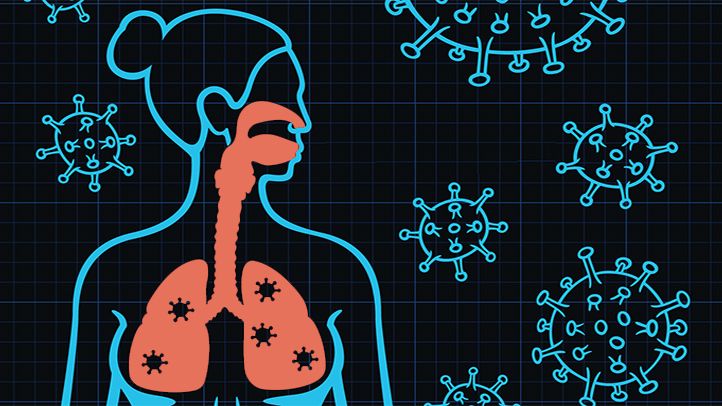
    Emerging research has shed light on the intricate relationship between oral health and systemic well-being, highlighting the interconnected nature of the human body. Indeed, the health of your mouth can exert profound effects on various aspects of your overall health. Gum disease, for example, has been linked to an increased risk of systemic conditions such as cardiovascular disease, diabetes, and respiratory infections. By addressing oral health issues proactively through preventative dentistry, individuals can potentially lower their risk of developing these serious medical conditions.

    Gum Disease: A Silent Threat

    Among the most prevalent oral health concerns is gum disease, a chronic inflammatory condition that affects the tissues surrounding the teeth. Despite its prevalence, gum disease often progresses silently, with symptoms such as redness, swelling, and bleeding gums going unnoticed until the advanced stages. Left untreated, gum disease can lead to irreversible damage to the gums and supporting structures of the teeth, eventually culminating in tooth loss. Moreover, the systemic inflammation associated with gum disease has been implicated in the development of various systemic conditions, underscoring the importance of early detection and intervention.

    The Role of Routine Dental Examinations

    Regular dental examinations serve as a cornerstone of preventative dentistry, providing an opportunity for early detection of oral health issues. During these appointments, dental professionals conduct a comprehensive assessment of the teeth, gums, and oral tissues, using advanced diagnostic tools to identify any signs of disease or abnormalities. By detecting problems such as cavities, gum disease, and oral lesions in their infancy, dentists can initiate prompt treatment, preventing further damage and preserving oral health.

    Embracing Proper Oral Hygiene Practices

    While routine dental visits are essential, the foundation of preventative dentistry lies in daily oral hygiene practices. Brushing twice a day with fluoride toothpaste, flossing daily, and using antimicrobial mouth rinses are integral components of a healthy oral care routine. Additionally, adopting a balanced diet low in sugary and acidic foods can help protect against cavities and gum disease. By prioritizing these simple yet effective habits, individuals can fortify their defenses against dental diseases and promote long-term oral health.

    The Impact of Lifestyle Factors

    Beyond oral hygiene practices, lifestyle factors play a significant role in determining oral health outcomes. Tobacco use, for instance, is a major risk factor for gum disease and oral cancer, highlighting the importance of smoking cessation efforts in preventative dentistry. Similarly, excessive alcohol consumption can contribute to a host of oral health problems, including tooth decay and gum disease. By addressing these modifiable risk factors and adopting healthier lifestyle choices, individuals can bolster their oral health and reduce their risk of dental diseases.

    Early Intervention: The Key to Success

    In the realm of dentistry, early intervention is paramount to achieving favorable outcomes. Whether it’s addressing minor tooth decay or treating early-stage gum disease, prompt action can prevent the progression of dental problems and preserve the integrity of the teeth and supporting structures. Through techniques such as dental sealants, fluoride treatments, and non-surgical periodontal therapy, dental professionals can effectively halt the advancement of oral diseases, sparing patients from the potential complications associated with untreated conditions.

    Beyond the Mouth: A Holistic Approach to Health

    As our understanding of oral health continues to evolve, so too does our appreciation for its far-reaching implications. By embracing a holistic approach to health that encompasses both oral and systemic well-being, individuals can unlock the full potential of preventative dentistry in preserving their overall health and longevity. From reducing the risk of chronic diseases to enhancing quality of life, the benefits of prioritizing oral health extend far beyond the confines of the mouth, underscoring the profound impact of preventative dentistry on our lives.

    For the Sake of Your Health, Schedule Your Dental Exam

    Preventative dentistry stands as a powerful ally in the pursuit of optimal health and well-being. By embracing proactive measures such as routine dental examinations, proper oral hygiene practices, and lifestyle modifications, individuals can safeguard their smiles and potentially save their lives. Through early detection, timely intervention, and a holistic approach to health, preventative dentistry empowers individuals to take control of their oral health destiny, paving the way for a brighter, healthier future. So, let us embark on this journey together, as we strive to unlock the lifesaving power of preventative dentistry one smile at a time.

    Dr. Gary P. Skrobanek is a dental implant dentist and his experienced, friendly team at GPS Dental offer affordable family dentistry and gentle dental care in the San Antonio, TX area. Our Brooks City Base dentist office is conveniently located and offers early morning appointment times Monday through Friday to meet your needs. At GPS Dental, we provide most dental services, from family and general dentistry to dental implantssleep apneaTMJ / TMD Treatmentcosmetic dentistry and much more. We accept most dental insurance plans and offer affordable financial solutions for any budget. Call us at (210) 633-3477 to make an appointment. 

    Your Oral Health: Personalized Dental Care is Important

    GPS Dental Offers a Personalized Approach

    Why is it important to have a personalized approach to dental care instead of a cookie-cutter approach? A personalized approach to dental care is essential for several reasons, as it offers distinct advantages over a cookie-cutter or one-size-fits-all approach:

    1. Individualized Treatment Plans: Every patient has unique oral health needs, risk factors, and treatment goals. A personalized approach allows dentists to create customized treatment plans tailored to each patient’s specific requirements, addressing their immediate concerns while considering their long-term oral health.
    2. Early Detection and Prevention: Personalized dental care emphasizes preventive measures and early detection of oral health issues. Dr. Skrobanek and his team can identify potential problems and intervene before they become more severe, helping patients avoid costly and complex treatments.
    3. Patient Comfort and Trust: Building a strong patient-dentist relationship is fundamental to effective care. A personalized approach fosters trust and open communication, making patients feel comfortable discussing their concerns, asking questions, and actively participating in their treatment decisions.
    4. Optimized Treatment Outcomes: By tailoring treatment plans to individual patients, the GPS Dental Team can optimize treatment outcomes. This leads to better results, improved oral health, and greater patient satisfaction.
    5. Respect for Patient Preferences: Personalized care respects each patient’s preferences, including their treatment preferences, budget considerations, and any specific dental anxieties they may have. Dr. Skrobanek works in partnership with patients to make informed decisions about their care.
    6. Cost-Effective Care: Although personalized care may involve a detailed assessment and treatment planning, it often leads to more cost-effective care in the long run. By addressing issues early and tailoring treatments, patients can avoid more extensive and expensive interventions.
    7. Educational Opportunities: The GPS Team provides patients with personalized oral health education. This education is crucial for patients to understand their unique risk factors and the specific steps they need to take to maintain their oral health.
    8. Specialized Care: Some individuals may require specialized dental care due to medical conditions, age, or specific dental needs. A personalized approach ensures that patients receive the appropriate care and referrals to specialists when necessary.
    9. Adaptation to Changing Needs: Over time, a patient’s oral health needs may change. A personalized approach allows for ongoing adjustments to the treatment plan, ensuring that it remains relevant and effective.
    10. Prevention of Over-Treatment: In a personalized approach, the focus is on addressing only what is necessary. This helps prevent over-treatment, which can occur in a cookie-cutter model driven by financial incentives.
    11. Ethical Patient-Centered Care: A personalized approach is consistent with ethical principles that prioritize the best interests of the patient. This approach is integral to maintaining the ethical standards of the dental profession.
    12. Overall Health Considerations: A personalized approach also considers a patient’s overall health and how oral health is interconnected with systemic health. Dr. Skrobanek and his expert team can provide guidance on the links between oral health and conditions like diabetes, cardiovascular disease, and more.

    In summary, a personalized approach to dental care ensures that patients receive treatments and recommendations tailored to their unique needs and preferences. This approach results in better oral health outcomes, increased patient satisfaction, and a higher standard of care that respects both the individuality of patients and ethical principles.

    Related Article: Dental Health Facts: What Dentists Wish You’d Do Differently

    GPS Dental is Accepting New Patients

    If you’re looking for a new dental home that offers personalized dental care, Dr. Skrobanek and his Team at GPS Dental look forward to meeting you during your dental exam and cleaning. Preventative dental care and dental exams can detect signs of disease elsewhere in the body. Experts say infections inside your mouth can cause health problems in other parts of the body and signal diseases such as leukemia and diabetes. You may want to think twice before delaying your dental checkup, as you could be delaying early diagnosis.

    Dr. Gary P. Skrobanek is a dental implant dentist and his experienced, friendly team at GPS Dental offer affordable family dentistry and gentle dental care in the San Antonio, TX area. Our Brooks City Base dentist office is conveniently located and offers early morning appointment times Monday through Friday to meet your needs. At GPS Dental, we provide most dental services, from family and general dentistry to dental implantssleep apneaTMJ / TMD Treatmentcosmetic dentistry and much more. We accept most dental insurance plans and offer affordable financial solutions for any budget. Call us at (210) 633-3477 to make an appointment.